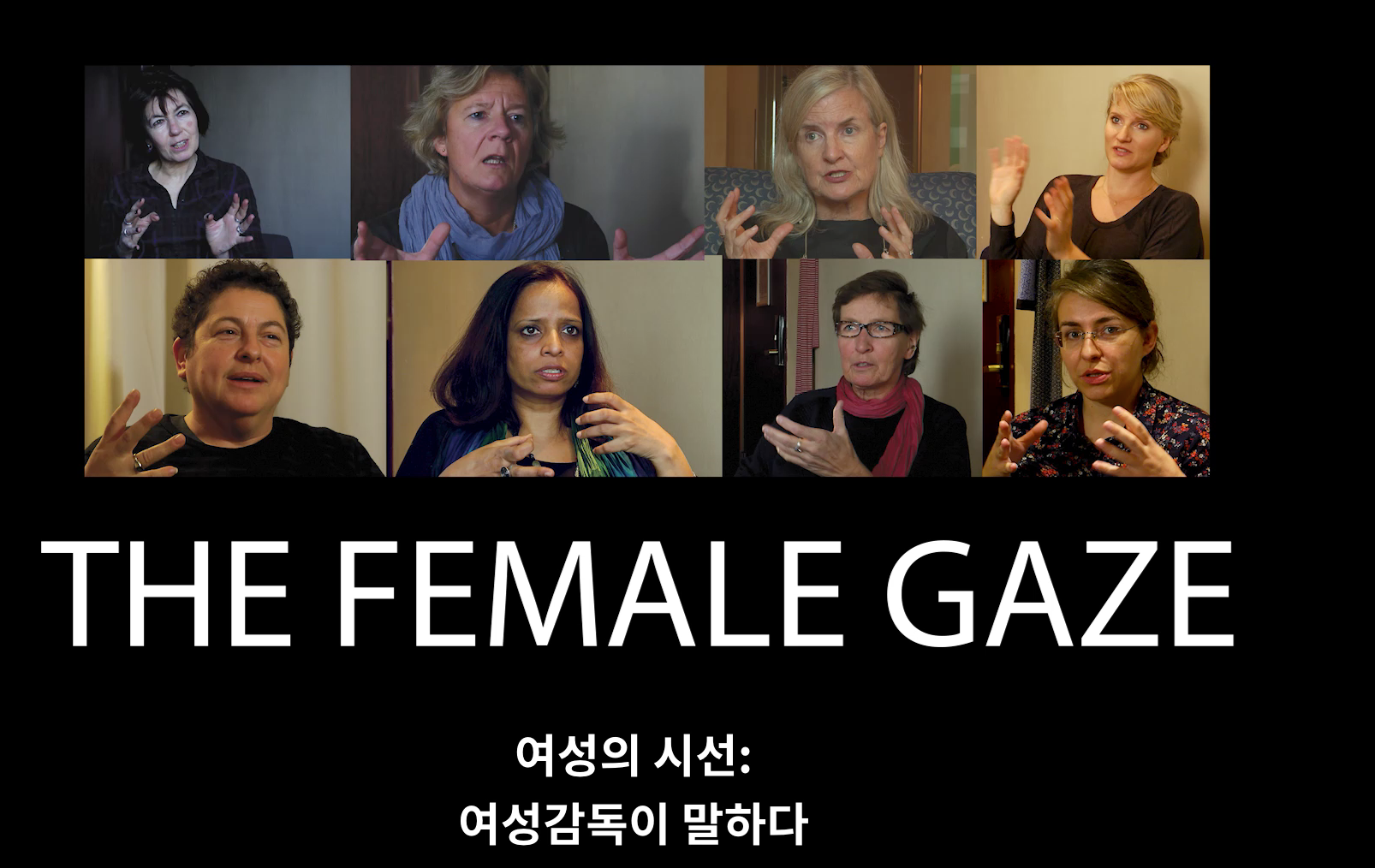
In the theater of visual storytelling, the gaze has long been a silent dictator—framing narratives, crafting desire, and delineating power. For centuries, this gaze skewed predominantly masculine, a relentless spotlight illuminating women through the brittle prism of objectification and subjugation. Feminism strides onto this stage like a rebel conductor, rewriting the score with the reclamation of the female gaze in photography and film. This isn’t merely an aesthetic pivot; it’s a seismic upheaval challenging entrenched paradigms, igniting fresh dialogues on identity, representation, and agency.
The Female Gaze: A Chalice Overflowing with Complexity
The female gaze is often misconstrued as a simple inversion of the male gaze—a mirror held up to reflect women observing men. But it defies such simplistic binaries. Instead, it is an intricate chalice overflowing with nuance, empathy, and multifaceted subjectivity. It encompasses the perspectives and lived realities of those who have historically been relegated to the periphery of visual narratives. This gaze shatters the monochrome stereotypes and infuses storytelling with layers of vulnerability, strength, and complexity intertwined.
Unlike the male gaze that tends to objectify and commodify, the female gaze cultivates intimacy. It invites the spectator to dwell within the emotional terrains of its subjects, prioritizing their interiorities rather than merely their external forms. Through this lens, the female form is not a static tableau but a dynamic entity—rebellious, tender, defiant, and unapologetically human.

Feminism as Visual Insurrection
To reclaim the female gaze is to wage a form of visual insurrection against the patriarchal cartographies etched deep into cultural consciousness. Feminism does not simply demand inclusion or reparation; it demands a reconfiguration of the very grammar of seeing. This rebellion manifests in the deliberate choices of framing, narrative voice, and aesthetic sensibility that reject voyeurism and embrace solidarity.
Photography and film become crucibles where feminist ideologies meld with artistic innovation. The camera is wielded less as a weapon for objectification and more as an instrument of empathy, space, and agency. The subjects are collaborators rather than possessions, co-authors of their stories. This shift reverberates through the textures of the images—the pauses, the gazes exchanged, the shadows that refuse to bend to masculine desire.
Deconstructing the Male Gaze: Unveiling the Invisible Architect
The male gaze operates like an invisible architect, constructing narratives where women are often reduced to surfaces—muses for male fantasies, embodiments of purity or temptation, containers of male desire. This gaze thrives on a power imbalance that invisibilizes female subjectivity, reinforcing systemic hierarchies. The act of deconstructing this gaze is akin to pulling apart a delicate, sinister clockwork to reveal the cogs of domination.
Photography and film unveil this architecture by exposing the mechanisms of control: the positioning of the camera, the narrative arcs prescribed to female characters, and the language of visual metaphors. Feminist creators disrupt these mechanisms, inserting counter-narratives that highlight female complexity. The female gaze, thus, becomes an instrument of refusal and reconstruction—rejecting passivity and affirming autonomy.
The Unique Appeal of the Female Gaze: Embracing Ambiguity and Nuance
The female gaze does not succumb to the tyranny of clarity or simplicity. Its unique appeal lies in its embrace of ambiguity, contradictions, and nuanced emotional landscapes. It is a celebration of what is ephemeral, fluid, and resistant to categorization. This gaze crafts narratives where longing and power coexist, where vulnerability becomes strength, and where the boundaries between subject and observer dissolve.
In photography, this manifests as candid moments—fragments of reality suspended in time, neither sanitized nor sensationalized. In film, it translates into storytelling that prioritizes emotional resonance over spectacle, intimacy over exploitation. The female gaze appeals to a deep, often subconscious yearning for authenticity in representation, offering audiences a mirror reflecting a truer, more intricate human experience.
Intersectionality: Weaving Diverse Threads into the Female Gaze
Reclamation of the female gaze cannot be monolithic; it is necessarily woven with the fibers of intersectionality. Feminist visual narratives recognize that womanhood itself is a rich tapestry threaded with race, class, sexuality, and culture. The female gaze, therefore, becomes a kaleidoscope of diverse perspectives that resist homogenization.
This intersectional approach expands the horizons of representation. It centers voices historically silenced and disrupts universalizing tropes. The female gaze in documentary film, for example, captures not just the personal but the political—the lived experiences of women navigating overlapping systems of oppression. This layered storytelling enriches both form and content, opening new vistas of empathy and understanding.
Technology and New Media: Expanding the Terrain of the Female Gaze
Digital revolutions and new media platforms have democratized visual storytelling, offering fertile ground for the proliferation of the female gaze. No longer confined to traditional gatekeepers, feminist photographers and filmmakers harness these technologies to amplify marginalized voices and craft experimental forms that defy conventional aesthetics.
Virtual spaces become arenas for cultivating community and collective creativity. Social media, virtual reality, and interactive media invite audiences into participatory roles, blurring the lines between creator and consumer under the auspices of the female gaze. This technological symbiosis accelerates the reclamation process, emboldening feminist visions to penetrate mainstream consciousness and reshape cultural narratives.
Conclusion: The Female Gaze as a Resilient Beacon
The reclamation of the female gaze is more than an artistic trend—it is a relentless struggle for visual sovereignty and a profound reimagining of how stories are told and received. It challenges ossified perceptions, offering a lens that honors the fullness of human experience in its contradictions and complexities. This gaze beckons us toward a future where visibility is not a means of subjugation but a declaration of presence, power, and possibility.
In embracing the female gaze, photography and film transcend their roles as mediums and transform into powerful acts of feminist defiance—bold, evocative, and unyielding. This reclamation is a clarion call, resonating through images and stories, inviting the world to see differently and to reckon with the dynamics of gaze and power anew.