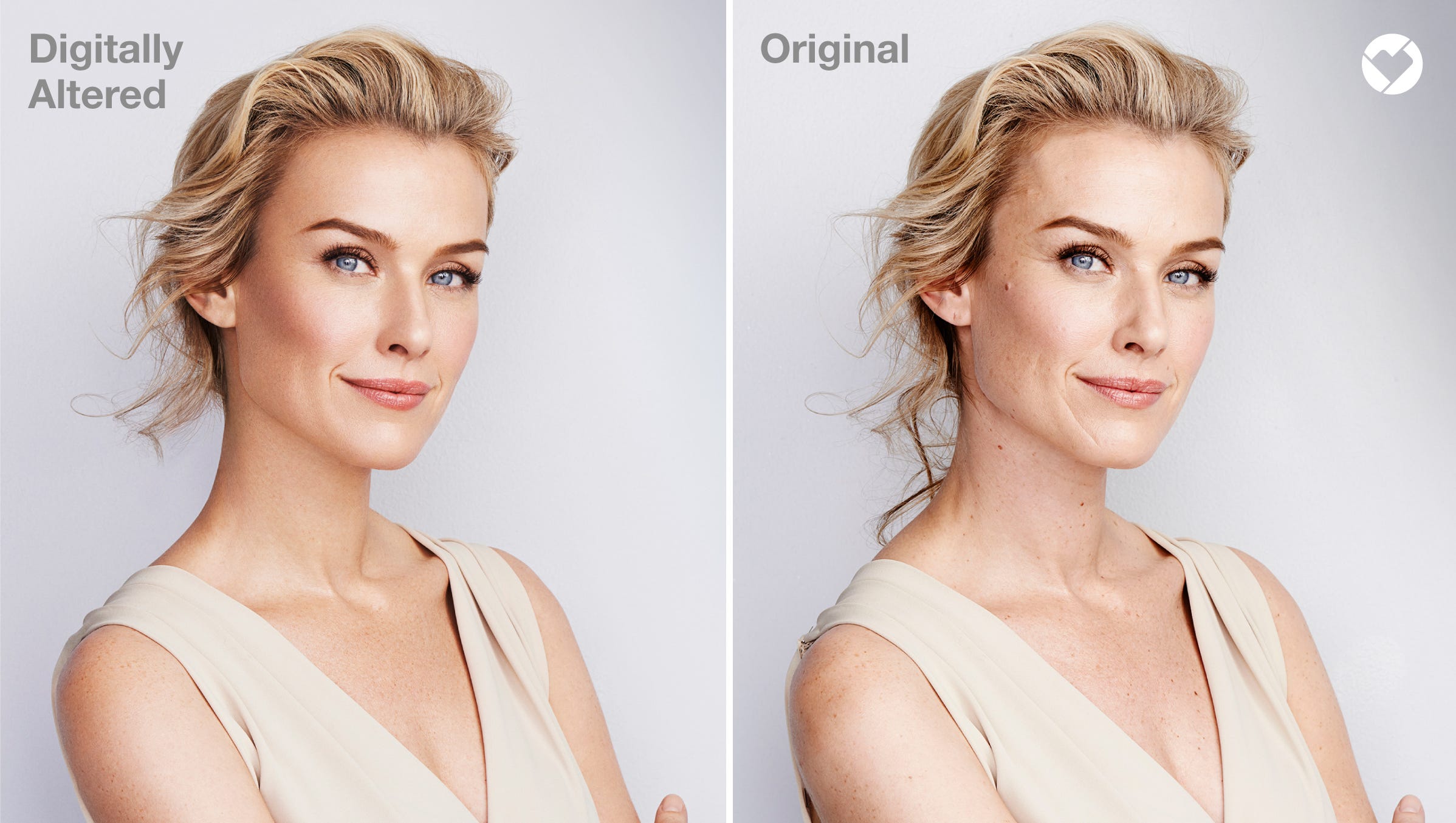
In the kaleidoscopic world of beauty advertising, where perfection is often a conjured illusion, a seismic shift is challenging the status quo. Feminism, with its unyielding pursuit of authenticity and equity, has anchored a burgeoning crusade: the movement to ban filters on advertised cosmetic products. This is not merely a campaign against digital deception—it is a clarion call to dismantle the oppressive paradigms that have long dictated female beauty and self-worth. The implications are profound, rippling through consumer culture, brand integrity, and societal psychology. Prepare to delve into a complex narrative that promises a revolution in how beauty is presented, perceived, and ultimately, embraced.
The Fabrication of Beauty: How Filters Manipulate Reality
The cosmetic industry has long trafficked in dreams, but filters amplify these fantasies into near-unattainable spectacles. These digital manipulations polish away imperfections, smooth skin textures to ethereal finishes, and sculpt features into glossy ideals far removed from reality. The consequences are not superficial—they shape perceptions at the deepest psychological levels. Consumers, particularly women, are inundated with hyper-edited images that normalize an artificial standard, rendering natural beauty as insufficient or flawed. This distortion fuels an insidious cycle of comparison, self-doubt, and often debilitating insecurity.
More than just a marketing tactic, the use of filters cultivates an atmosphere where authenticity is sacrificed at the altar of commercial appeal. The subtle artifice of a filtered advertisement insidiously conveys the message that genuine beauty requires enhancement—not just product, but alteration of the self. Feminist advocates argue that this practice not only misrepresents reality but perpetuates a system where women’s value is tethered unequivocally to visual perfection.
Feminism as a Catalyst: Challenging Visual Hegemony
The movement to ban filters is deeply rooted in feminist ideology, which challenges hegemonic norms that confine female identity to narrow, commodified parameters. Feminism confronts the visual regimes that dictate what is deemed beautiful, valuable, or worthy. By rejecting filtered imagery, feminists seek to reclaim the narrative from corporate hands—promoting representation that honors diversity, authenticity, and imperfection.
This crusade is simultaneously a battle against objectification and a reclamation of agency. It interrogates how visual media reinforce patriarchal values—that women’s appearance is paramount and should be polished, perfected, and edited to satisfy an ideal consumerist gaze. Banning filters is about disrupting these power structures and fostering a culture that values women on their own terms, unvarnished and unapologetic.
Corporate Complicity and the Breach of Trust
Retailers and cosmetic brands are not mere bystanders; they are active architects of beauty’s visual dictatorship. By endorsing filtered images, they collude in constructing false realities that betray consumer trust. This breach is more than ethical—it’s psychological. Customers are sold promises of transformation grounded in illusions, while the scripts of ordinary beauty remain marginalized or erased.
Such practices have sparked feminist outcry, demanding radical transparency. The call to ban filters is also a push for accountability—forcing brands to embrace honesty and to celebrate authentic, diversified beauty without digital distortion. The message is clear: consumers deserve respect, not fakery.
The Psychological Toll: Navigating Self-Image Amidst Digital Deception
Repeated exposure to filtered advertisements cultivates a relentless pressure on women to conform to unattainable aesthetics. The psychological fallout is staggering, evidenced by escalating rates of body dissatisfaction, disordered eating, and lowered self-esteem. The filtered visage is a siren song that lures women into perpetual self-scrutiny, fostering alienation from their own natural appearances.
Feminism underscores the necessity of dismantling these toxic visual economies to restore a healthy self-image. Banishing filters is pivotal in creating an environment where women can engage with beauty products through a lens of possibility and empowerment—rather than inadequacy and compulsion.
Legislative and Retail Responses: The Dawn of Filter-Free Campaigns
Recently, a growing number of retailers have begun to heed the feminist clarion call. Some have initiated policies that prohibit photo manipulation in their advertising, pressuring suppliers to deliver unaltered depictions of their cosmetic products in use. This shift not only challenges industry complacency but signals potential upheaval in advertising ethics.
The implications of these actions extend beyond retail walls. They herald a broader cultural affirmation that beauty advertising can—and must—honor truth over artifice. Feminism’s influence here is undeniable, embedding principles of integrity and respect within corporate practices. The campaign to ban filters is transforming from a fringe demand into an imperative for industry-wide reform.
Embodying Authenticity: The Future of Beauty Advertising
The movement to ban filters signals a promise: a future where beauty advertising becomes a platform for genuine representation rather than illusion. This tectonic shift invites brands to innovate in transparency and inclusivity, celebrating the unvarnished diversity of real women. It challenges creatives to craft narratives that resonate with authenticity and social conscientiousness.
Moreover, it unlocks potential for consumers to engage with beauty products without the psychic toll exacted by deceptive imagery. The reclamation of the image is a feminist triumph—an assertion that beauty need not be filtered to be worthy, desired, or celebrated.
Conclusion: More Than a Movement, a Paradigm Shift
At its core, the feminist movement to ban filters on advertised cosmetic products is a profound repudiation of artifice and oppression. It dismantles sanitized illusions that have long overshadowed authentic beauty and replaces them with a clarion call for honesty, respect, and empowerment. As this movement gains momentum, it promises not just a recalibration of advertising aesthetics but a radical transformation in societal values surrounding beauty and self-worth. It invites everyone to reconsider what beauty truly means—not as an unattainable ideal but as a vibrant, inclusive reality.