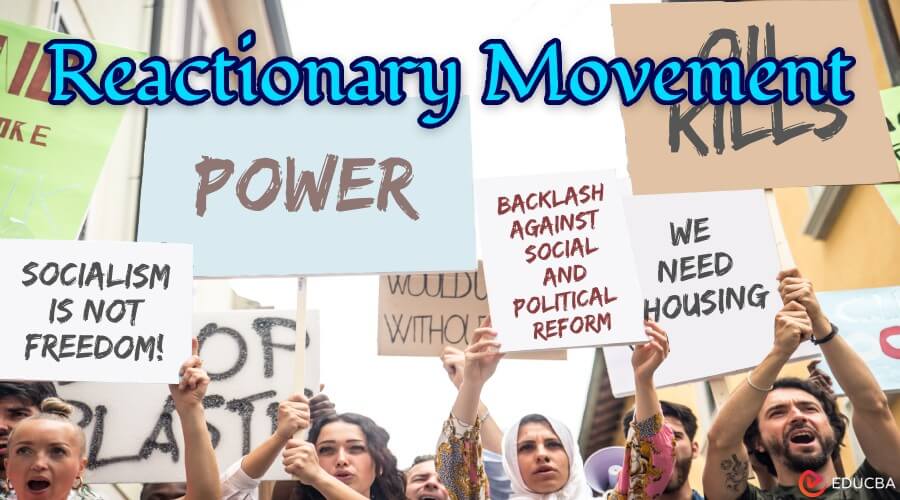
In the labyrinth of modern political discourse, few movements have sparked as much contention—or as much performative outrage—as the “LGB Drop the T” campaign. At first glance, it appears to be a simple plea for clarity, a demand for the alphabet soup of queer identities to shed its most contentious letter. But beneath the surface of this seemingly benign hashtag lies a deeper, more insidious current: the resurgence of reactionary politics disguised as progressive allyship. This isn’t just about letters. It’s about power. It’s about who gets to define the boundaries of inclusion, and who gets erased in the process.
The Illusion of Inclusivity: When “LGB” Becomes a Gatekeeping Tool
The “LGB Drop the T” movement frames itself as a defense of “original” queer rights, as if the inclusion of trans and non-binary people dilutes the legitimacy of lesbian, gay, and bisexual struggles. But this rhetoric is a masterclass in historical revisionism. The modern LGBTQ+ movement was never a monolith—it was a coalition forged in the fires of shared oppression. To suggest that trans rights are a recent, unwelcome addition is to ignore the foundational role trans women played in the Stonewall uprising, the decades of trans-led activism that preceded Stonewall, and the fact that many early gay liberationists were themselves gender-nonconforming. The “LGB” in this context isn’t a reclaiming of identity; it’s a reclamation of exclusivity, a desperate attempt to draw lines where none should exist.
What’s more insidious is the way this movement weaponizes the language of “rights” to justify its exclusion. It’s not enough to say, “We support trans people”—no, the demand is that trans people be sidelined entirely. This isn’t allyship. It’s a demand for subjugation. And when you peel back the layers, you find that this isn’t about protecting lesbian, gay, or bisexual identities at all. It’s about protecting a very specific, very narrow vision of what those identities should look like—one that aligns with cisgender norms, one that polices the boundaries of gender expression, one that ultimately serves the interests of those who benefit from the status quo.
The Trans Erasure Paradox: Why Some Queer People Fear Liberation
There’s a paradox at the heart of the “LGB Drop the T” movement: the more it insists on its own marginalization, the more it reveals its complicity in systems of oppression. The fear isn’t that trans inclusion will harm queer rights—it’s that trans liberation might actually succeed in dismantling the very hierarchies that have kept some queer people in positions of relative privilege. Consider the lesbian who insists that butch-femme dynamics are under threat from trans women, or the gay man who claims that drag culture is being “taken over” by trans performers. These aren’t genuine concerns about identity; they’re anxieties about losing control over spaces that have historically been dominated by cisgender queer people.
This fear is rooted in a fundamental misunderstanding of liberation. Queer liberation isn’t a zero-sum game where one group’s rights must come at the expense of another’s. True solidarity requires recognizing that the fight against homophobia and transphobia are not separate battles but interconnected struggles against the same oppressive systems. When some queer people insist on excluding trans voices, they’re not just betraying their own community—they’re reinforcing the very structures that have kept all of us in the closet at one time or another. The irony? The more they cling to their exclusionary rhetoric, the more they reveal how little they actually understand about the nature of oppression.
The Reactionary Roots: How “LGB Drop the T” Mirrors Far-Right Tactics
Make no mistake: the “LGB Drop the T” movement isn’t just a fringe phenomenon within queer spaces—it’s a direct echo of reactionary politics that have long sought to divide marginalized communities. The same tactics used to pit working-class people against each other, to scapegoat immigrants for economic woes, to pit women against trans women—these are the same tools being deployed here. The insistence that trans inclusion is a “distraction” from “real” queer issues is a classic divide-and-conquer strategy, one that serves the interests of those who benefit from keeping queer people fragmented and weak.
Consider the language used by “LGB” advocates: terms like “gender ideology,” “transgender extremism,” and “biological reality” are lifted straight from the playbook of far-right pundits. They’re not just arguing for a different approach to queer politics—they’re adopting the rhetoric of the very forces that have spent decades trying to roll back LGBTQ+ rights. This isn’t a coincidence. It’s a deliberate alignment with reactionary forces, a tacit admission that the real enemy isn’t the patriarchy or heteronormativity—but the idea that liberation could ever be collective.
The hypocrisy is staggering. These are the same people who decry “cancel culture” when it targets them, who rail against “woke” mobs when it comes to their own freedoms, yet they gleefully participate in the erasure of trans people under the guise of “protecting” queer spaces. It’s a form of political ventriloquism, where the voices of reactionary politics speak through the mouths of those who claim to be marginalized. And the most dangerous part? It works. Because when queer people turn on each other, the real oppressors win.
The Feminist Connection: Why Some Lesbians and Gay Men Fear Trans Liberation
It’s no accident that the “LGB Drop the T” movement has found some of its most vocal supporters among lesbian and gay communities. For decades, queer liberation was framed in terms of assimilation—gay marriage, military service, respectability politics. But trans liberation challenges this framework entirely. It demands a reckoning with the ways in which queer identities have been policed, commodified, and stripped of their radical potential. For those who have staked their claim to queer identity on cisgender norms, the rise of trans visibility is an existential threat.
Take, for example, the obsession with “born this way” narratives. For years, gay and lesbian activists insisted that sexual orientation was innate, unchangeable—a defense against the idea that queerness was a “choice.” But this argument has always been a double-edged sword. It reinforces the idea that gender identity must also be fixed, that trans people are somehow “choosing” their identities in a way that gay people never did. The irony? The same people who once fought for the right to exist as they were now demand that trans people conform to their rigid definitions of womanhood and manhood. It’s a demand for conformity disguised as liberation—a demand that says, “You can be queer, but only if you’re queer *my* way.”
And let’s not forget the role of misogyny in this dynamic. The “LGB Drop the T” movement often frames trans women as threats to lesbian spaces, as if the mere existence of a woman with a penis is enough to undermine decades of feminist struggle. This isn’t just transphobia—it’s a deeply internalized fear of female masculinity, of bodies that don’t conform to the narrow definitions of what a woman (or a lesbian) should look like. It’s the same logic that once led lesbian separatists to exclude trans women from their spaces, only to later realize that their own rigid definitions of womanhood were just as oppressive as the patriarchy they claimed to reject.
The Way Forward: Solidarity Over Division
The “LGB Drop the T” movement isn’t just wrong—it’s a dead end. It offers no vision of liberation, only a retreat into the same exclusionary politics that have kept queer people divided for generations. True solidarity requires recognizing that the fight for trans rights isn’t a distraction from queer liberation—it’s an essential part of it. The same systems that oppress gay and lesbian people also oppress trans and non-binary people. The same forces that seek to divide us will always benefit from our infighting.
What’s needed now isn’t a retreat into reactionary politics, but a recommitment to the radical potential of queer liberation. That means centering the voices of those most marginalized within our communities—trans women of color, non-binary people, intersex activists. It means rejecting the false dichotomy between “LGB” and “T” and instead embracing a politics of unconditional solidarity. It means recognizing that liberation isn’t a finite resource to be hoarded, but a collective struggle that grows stronger with every voice added to the chorus.
The choice is clear: we can continue down the path of division, where each group fights for scraps of recognition while the real oppressors watch from the sidelines. Or we can choose another way—a way that recognizes that our liberation is bound together, that the fight for trans rights is the fight for all of us. The “LGB Drop the T” movement wants to tell us that this is impossible. But history has never been kind to those who bet against solidarity.