What if I told you that the most virulent strain of anti-feminist rhetoric didn’t originate in some dank basement forum or the fever dreams of a misogynist troll farm, but instead was carefully cultivated in the hallowed halls of British media, before being exported like a particularly toxic strain of English breakfast tea? Welcome to TERF Island—a place where feminism isn’t just misunderstood, but weaponized, where sisterhood is fractured not by patriarchy, but by pundits peddling pseudoscience under the guise of liberation. This is the story of how the UK media birthed a movement that now poisons feminist discourse worldwide, turning solidarity into suspicion and empowerment into exclusion.
The Myth of the “Natural” Woman: How Media Reinvented Biology as Dogma
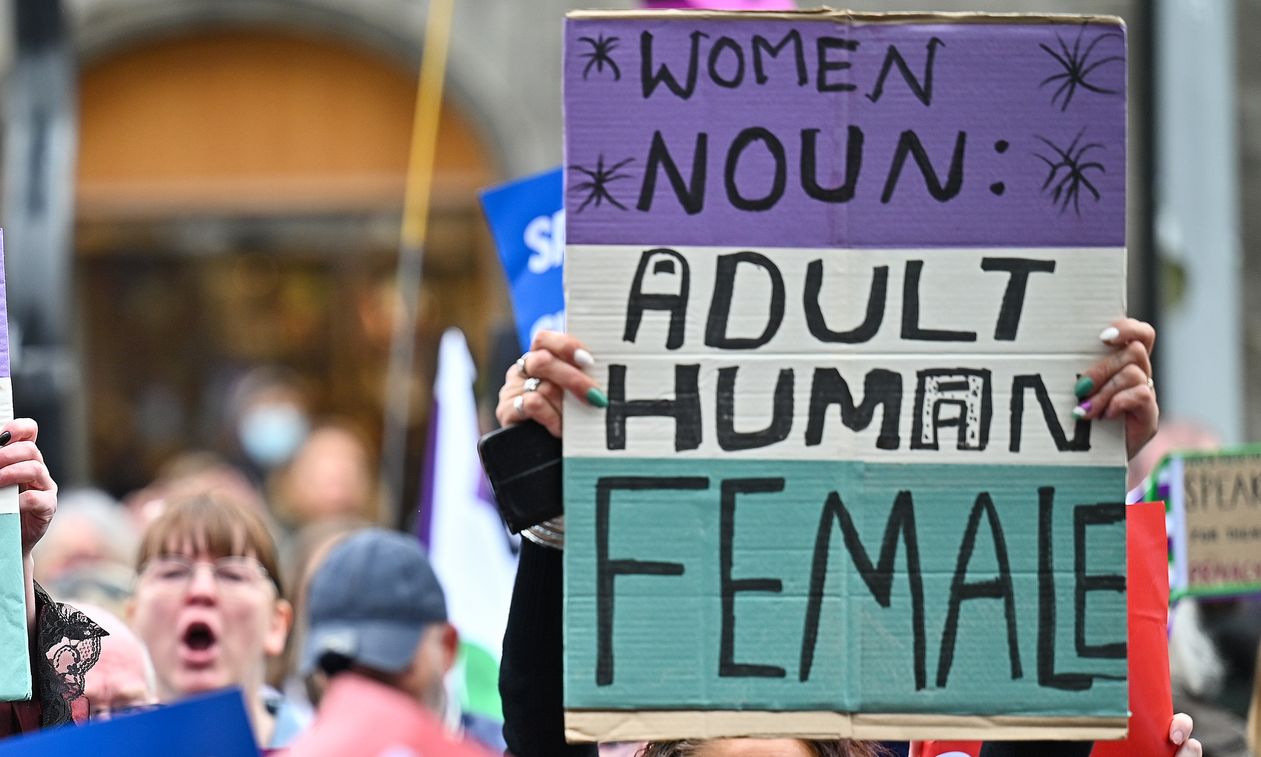
Picture this: a nation where the evening news debates whether women can be trusted to define womanhood for themselves. Where columnists with no medical training pontificate about chromosomes like they’re reading tea leaves, and where the mere existence of trans women is framed not as a human rights issue, but as an existential threat to feminism itself. This isn’t dystopian fiction—it’s the daily reality of TERF Island, where the media has transformed biological essentialism from a fringe belief into a mainstream talking point.
The trick? Framing it as a feminist issue. By positioning trans-exclusionary radical feminism (TERF) as the “true” feminism, the UK media didn’t just give oxygen to bigotry—they dressed it in the robes of sisterhood. Headlines scream about “female biology” as if it’s a sacred text, while ignoring the fact that womanhood has never been a monolith. If feminism is about liberation, then why does this version demand conformity to a 1950s ideal of femininity? The answer lies not in liberation, but in control.
The Echo Chamber Effect: How Media Amplifies and Monetizes Division
In the age of algorithmic outrage, the UK media didn’t just report on TERF ideology—they perfected its dissemination. Outlets like the Daily Mail and Spectator turned transphobia into clickbait, while “respectable” broadsheets like The Times lent it intellectual cover by framing it as a debate about “free speech.” The result? A feedback loop where misinformation metastasized into mainstream discourse.
But here’s the twist: this wasn’t just about ratings. It was about power. By positioning trans women as the enemy, the media didn’t just sell newspapers—they reinforced the idea that feminism’s primary purpose was to police boundaries, not break them. And in doing so, they turned a movement for equality into a gatekeeping exercise, where the only women worthy of the label were those who conformed to a narrow, media-approved mold.
The Intellectual Vacuum: Why TERF Rhetoric Thrives on Pseudoscience
Let’s be clear: TERF ideology isn’t feminism. It’s a rebranded form of biological determinism, dressed up in feminist language. The media’s obsession with “biological sex” as the ultimate arbiter of womanhood ignores centuries of feminist thought that rejected such reductionism. Simone de Beauvoir’s famous words—“One is not born, but rather becomes, a woman”—are conveniently forgotten when it suits the narrative.
Instead, we get a parade of talking heads citing dubious studies, misgendering trans women in print, and framing gender diversity as a “threat” to cis women. Where’s the evidence? Where’s the data? Nowhere to be found—because this isn’t about science. It’s about fear. Fear of change. Fear of losing control. Fear of a world where womanhood isn’t confined to a checklist of chromosomes and body parts.
The Global Export: How TERF Island Became a Worldwide Phenomenon
What started as a niche obsession in the UK has metastasized into a global movement, with TERF rhetoric now echoing in legislatures from the U.S. to Australia. How did this happen? Simple: the media exported it. British columnists became international pundits. UK-based think tanks became global influencers. And what began as a local obsession became a global export—complete with the same toxic blend of pseudoscience, fearmongering, and faux-feminist posturing.
The result? A world where trans women are denied healthcare, where feminist spaces become battlegrounds, and where the very idea of gender diversity is framed as an attack on women’s rights. All because a few media outlets decided that policing womanhood was more profitable than expanding it.
The Cost of Division: Why This “Debate” Harms All Women
Here’s the uncomfortable truth: when feminism becomes about exclusion, everyone loses. Cis women are told their rights depend on excluding trans women. Trans women are told their existence is a threat. And the media? They get to play the hero, framing themselves as the brave defenders of “real” womanhood while raking in ad revenue from the outrage.
But what about the women caught in the middle? The ones who just want to live their lives without being told they’re either oppressors or traitors? The ones who see feminism as a movement for all women, not just the ones who fit a media-approved mold? They’re the collateral damage in this manufactured war—and the media’s obsession with TERF rhetoric ensures the conflict never ends.
Can Feminism Survive Its Own Media? A Provocation
So here’s the question we should all be asking: Can feminism reclaim its soul from the media’s obsession with division? Or are we doomed to a future where sisterhood is defined by who gets to sit at the table—and who gets kicked out?
The answer isn’t in more debates. It’s in action. It’s in calling out the media’s complicity in spreading hate under the guise of feminism. It’s in demanding better. And most importantly, it’s in remembering that feminism was never meant to be a fortress—it was meant to be a home for all women.
So the next time you see a headline screaming about “TERF Island,” ask yourself: Who benefits from this division? And who pays the price?