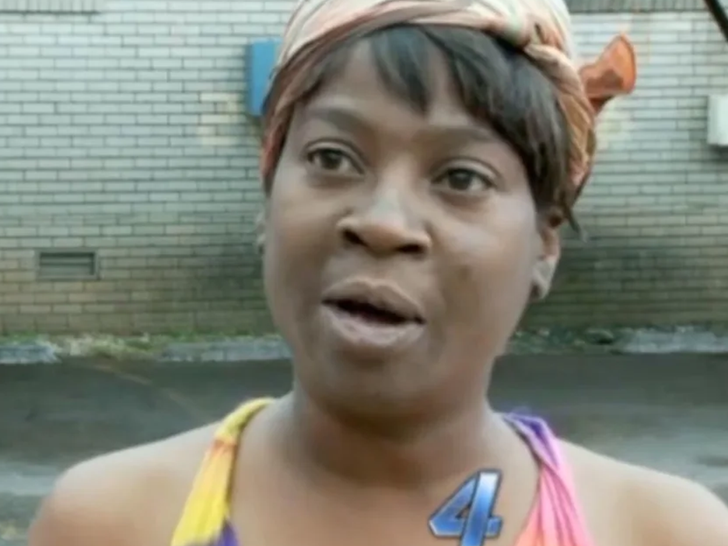
In the digital age, where memes and voiceovers have become the lingua franca of online communication, a troubling phenomenon persists—one that weaponizes Black feminist thought for the sake of viral engagement. This is not merely cultural appropriation; it is a form of digital blackface, where non-Black creators adopt the cadence, vernacular, and even the intellectual labor of Black feminists to amplify their own platforms. The result? A grotesque spectacle where the struggles of Black women are reduced to punchlines, their theories repurposed as clickbait, and their voices stripped of context to serve the whims of algorithmic capitalism. This is not just exploitation—it is a violent erasure of the very people who have fought to center intersectionality in feminist discourse.
The Commodification of Black Feminist Rage
Black feminist thought has always been a radical act—a refusal to be silenced in spaces that seek to diminish Black women’s humanity. Yet, in the digital sphere, this same thought is repackaged as edgy content, its sharp edges dulled for mass consumption. Consider the viral meme of a Black woman passionately discussing systemic oppression, her words clipped into a looping GIF with a caption like “When you realize capitalism is a scam.” The original context—her lived experience, her intellectual contributions—is erased, leaving only a hollow caricature designed to provoke laughter or outrage. This is not homage; it is epistemic violence, where the labor of Black feminists is mined for emotional labor without compensation, their pain transformed into a commodity for non-Black audiences.
The rise of “Black voiceover memes” has exacerbated this trend. Creators, often white or non-Black, adopt the vocal inflections, slang, and rhetorical styles of Black feminists—think of the exaggerated “slay” intonations or the performative “I’m not like other girls” tropes—only to strip them of their original meaning. The result is a grotesque mimicry that reinforces stereotypes while profiting from the very communities it mocks. Black feminists like bell hooks, Audre Lorde, and Patricia Hill Collins have spent decades dismantling these myths, yet their words are now weaponized in 15-second clips that reduce their theories to punchlines. This is not progress; it is a digital plantation where Black thought is harvested for white consumption.
The Algorithmic Amplification of Exploitation
Social media algorithms thrive on engagement, and nothing drives engagement like controversy. Black feminist thought, with its unapologetic critique of power, is catnip for algorithms hungry for outrage. A Black woman’s impassioned critique of misogynoir becomes a trending topic not because her ideas are valued, but because her words are sensationalized. The algorithm doesn’t care about the nuances of intersectionality—it only cares about the dopamine hit of a viral moment. This creates a perverse incentive: the more a Black feminist’s words are distorted, the more they circulate, the more ad revenue is generated. The digital economy rewards exploitation, and Black feminists are the unwilling laborers in this system.
Take, for example, the phenomenon of “Black feminist voiceover challenges,” where non-Black creators dub their own voices over clips of Black women discussing oppression, often with exaggerated inflections or comedic timing. The original speaker’s voice is silenced, replaced by a non-Black performer who reaps the benefits of virality. This is not allyship; it is sonic colonialism, where the voices of Black women are appropriated, repackaged, and sold back to them as entertainment. The algorithm doesn’t distinguish between exploitation and celebration—it only knows what gets clicks. And in this economy, Black feminist thought is not a movement; it is a trend.
The Erasure of Black Feminist Labor
Behind every viral meme or voiceover is a Black feminist who has spent years articulating ideas that challenge systemic oppression. Yet, when their words are co-opted, their labor is erased. The creator of the original content is reduced to a faceless “source,” their name forgotten, their contributions uncredited. This erasure is not accidental—it is a feature of digital blackface. By stripping Black feminists of their authorship, non-Black creators reinforce the myth that their ideas are universal, while Black women’s contributions are confined to the margins. This is not just theft; it is a continuation of the historical silencing of Black women in intellectual spaces.
Consider the way Black feminist theories are often reduced to “sassy” or “angry” tropes in meme culture. A Black woman discussing the wage gap is turned into a meme about “hating men,” her nuanced analysis flattened into a joke. This is not just a failure of representation—it is a deliberate distortion of Black feminist thought to fit into narrow, consumable narratives. The digital sphere, with its emphasis on brevity and shock value, is ill-equipped to handle the complexity of Black feminist theory. Yet, this complexity is precisely what makes it valuable. By reducing it to memes, we lose the very essence of what makes it revolutionary.
The Psychological Toll of Digital Blackface
The psychological impact of this exploitation cannot be overstated. For Black women, seeing their words and voices repurposed without consent is a form of re-traumatization. It reinforces the idea that their labor is not valued unless it is stripped of its original context and repackaged for white consumption. This is not just a digital phenomenon—it is a reflection of the broader devaluation of Black women’s contributions in society. When their intellectual labor is treated as a commodity, it sends a clear message: Black women’s voices are only valuable when they serve the interests of others.
Moreover, the normalization of digital blackface desensitizes audiences to the real struggles of Black women. When oppression is reduced to a meme, the urgency of dismantling systemic racism is lost. The digital sphere becomes a hall of mirrors, where the reflections of Black feminist thought are distorted beyond recognition. This is not just a cultural issue—it is a public health crisis, where the mental and emotional well-being of Black women is collateral damage in the pursuit of viral fame.
Resisting the Exploitation: What Can Be Done?
The fight against digital blackface is not just about calling out individual creators—it is about dismantling the systems that enable this exploitation. Platforms must be held accountable for algorithmic bias, ensuring that Black feminist thought is not reduced to clickbait. Creators must be educated on the ethics of representation, recognizing that their use of Black feminist thought is not neutral—it is political. And audiences must demand better, refusing to engage with content that exploits Black women’s labor for profit.
There is a way forward. Black feminists have always been at the forefront of resistance, and their strategies must be adapted for the digital age. This means creating alternative spaces where Black feminist thought can thrive without exploitation. It means supporting Black creators who are reclaiming their narratives. And it means holding platforms accountable for the ways they profit from the erasure of Black women’s voices. The digital sphere does not have to be a site of exploitation—it can be a site of liberation. But first, we must recognize the violence that is already taking place.