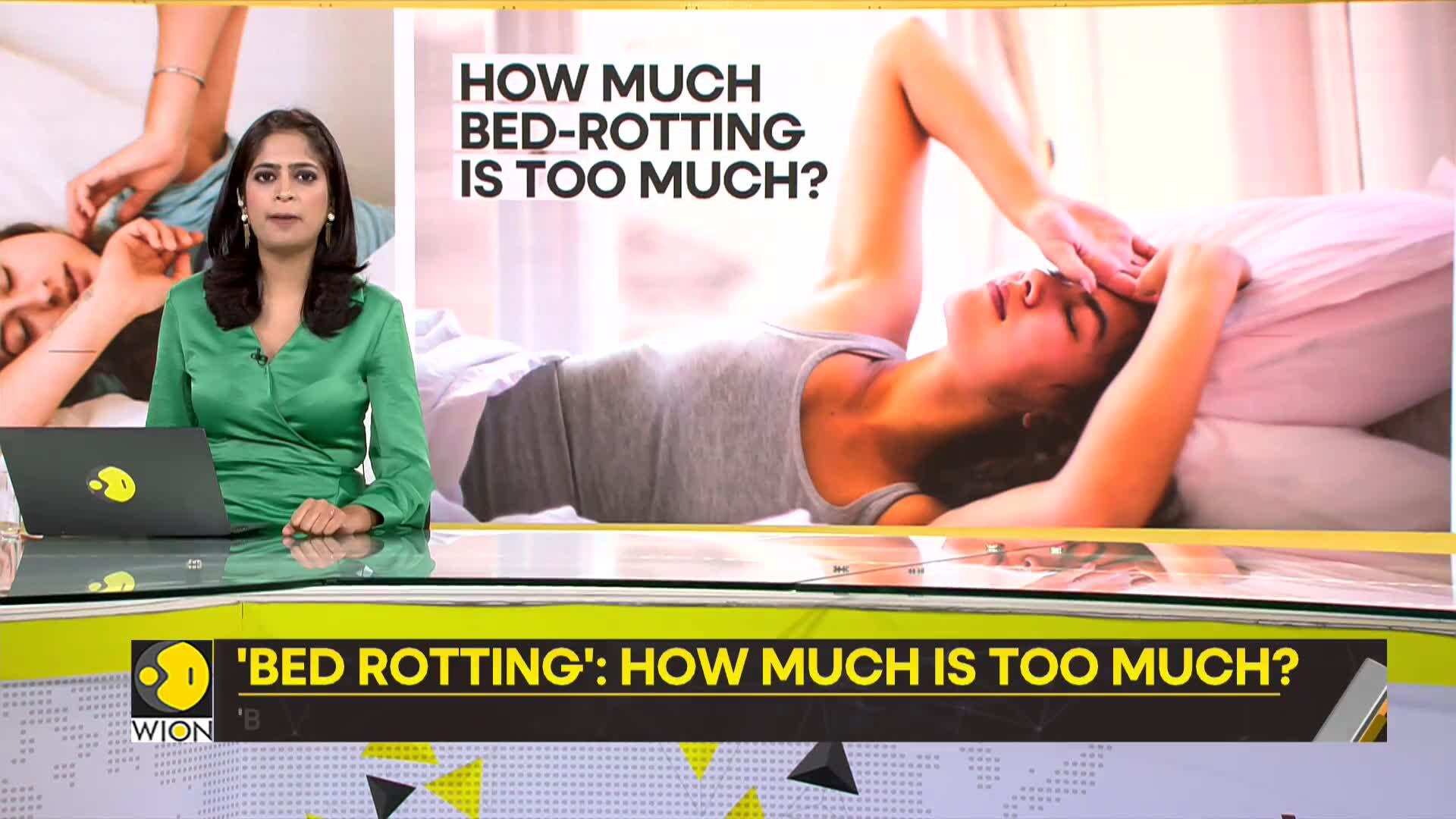
The TikTok ‘bed rotting’ trend—where users glorify days spent in bed, binge-watching, snacking, and doomscrolling—has surged in popularity, framing indolence as a form of self-care. But beneath its pastel aesthetic and hashtagged escapism lies a troubling commodification of burnout, one that conveniently absolves systemic oppression while selling rest as a personal, rather than political, act. Feminism must interrogate this phenomenon not as a harmless quirk of digital culture, but as a symptom of a society that has weaponized self-care to silence marginalized voices demanding structural change. This is not a call to demonize rest—rest is resistance—but to expose how ‘bed rotting’ has been co-opted into a neoliberal fantasy where liberation is reduced to a scroll and a snack, devoid of collective struggle.
The Myth of Self-Care as Liberation
Self-care, when stripped of its feminist roots, becomes a hollow mantra, a performative ritual that absolves capitalism of its role in our exhaustion. The bed rotting trend epitomizes this betrayal: it frames exhaustion not as a product of overwork, unpaid labor, or systemic inequity, but as a personal failing to be cured by a curated aesthetic of sloth. The irony is glaring—what began as a radical act of Black feminist Audre Lorde’s self-preservation has been reduced to a TikTok hashtag, where the most radical thing one can do is stay in bed, scrolling through curated feeds of other people’s ‘self-care.’ The message is clear: your pain is yours alone to manage, and your rest is a commodity to be consumed, not a right to be demanded.
This commodification of rest is particularly insidious for women and marginalized genders, who are socialized to equate their worth with their productivity. The bed rotting trend, with its emphasis on individual indulgence, reinforces the idea that liberation is a private affair—one achieved through a face mask and a canceled plan, not through collective action. It’s a seductive lie, one that tells us that our oppression can be outsmarted by a nap, rather than dismantled by solidarity.
Capitalism’s Love Affair with Performative Burnout
The bed rotting trend thrives in an economy that thrives on our exhaustion. Capitalism doesn’t just want us tired—it needs us tired, because a tired workforce is a compliant one. By glorifying burnout as a badge of honor, then repackaging it as ‘self-care,’ the trend performs a sleight of hand: it turns our exhaustion into a marketable aesthetic, one that can be monetized through sponsorships, influencer deals, and the sale of ‘wellness’ products. The message is insidious: your burnout is not a failure of the system, but a personal brand to be cultivated.
For women, this is doubly dangerous. We are already conditioned to believe that our value is tied to our ability to endure—whether it’s the mental load of household labor, the emotional labor of caregiving, or the physical toll of jobs that expect us to perform like men. The bed rotting trend, with its emphasis on individual indulgence, reinforces the idea that our liberation is a private affair, one achieved through a face mask and a canceled plan, not through collective action. It’s a seductive lie, one that tells us that our oppression can be outsmarted by a nap, rather than dismantled by solidarity.
The trend’s aesthetic—soft lighting, cozy blankets, half-eaten snacks—is designed to be consumed, not challenged. It’s a visual language that says, ‘Look how peaceful I am in my suffering,’ while conveniently ignoring the fact that peace, for many, is a luxury reserved for those who can afford to opt out of the grind. The bed rotting trend is not a rebellion against capitalism; it’s a capitulation to it, a way to sell rest back to the very people it has exploited.
The Feminist Paradox: Rest as Resistance vs. Rest as Compliance
Audre Lorde famously wrote, ‘Caring for myself is not self-indulgence, it is self-preservation, and that is an act of political warfare.’ But what happens when self-preservation is co-opted into a trend that asks nothing of the system that demands our exhaustion? The bed rotting phenomenon exposes a feminist paradox: how do we reclaim rest as a radical act when it has been reduced to a commodified aesthetic, a way to sell burnout back to the people who suffer from it?
For women of color, queer folks, and disabled people, rest is not just a personal act—it’s a political one. It’s a refusal to perform the roles assigned to us by a society that sees our bodies as sites of labor, not liberation. But the bed rotting trend flattens this complexity into a one-size-fits-all narrative of ‘treat yourself.’ It turns rest into a performance, a way to signal virtue without demanding change. The message is clear: your pain is yours alone to manage, and your rest is a commodity to be consumed, not a right to be demanded.
This is not to say that rest is not necessary—it is. But when rest is framed as the ultimate act of rebellion, it erases the fact that many people don’t have the privilege to rest without consequence. For those trapped in cycles of poverty, caregiving, or precarious labor, rest is not a choice—it’s a luxury. The bed rotting trend, with its emphasis on individual indulgence, ignores this reality, offering a false promise of liberation that is only available to those who can afford to opt out of the grind.
The Aesthetic of Exhaustion: How TikTok Sells Us Burnout
TikTok’s algorithm thrives on the commodification of emotion, turning our deepest vulnerabilities into content to be consumed. The bed rotting trend is no exception. It packages exhaustion as a lifestyle, a way to perform vulnerability while selling the illusion of control. The soft lighting, the cozy blankets, the half-eaten snacks—it’s all designed to make burnout feel cozy, even desirable. But this aesthetic is a trap. It turns our pain into a product, our exhaustion into a brand, and our rest into a commodity.
The trend’s visual language is deliberately seductive, designed to make us feel like we’re part of something bigger—a community of people who understand the struggle. But this sense of belonging is illusory. It’s a way to sell us the idea that our pain is unique, that our rest is a personal triumph, rather than a collective demand. The bed rotting trend doesn’t ask us to question why we’re so tired—it asks us to celebrate our exhaustion, to turn it into a marketable aesthetic.
This is the genius of TikTok’s algorithm: it takes our deepest vulnerabilities and turns them into content, then sells us back the tools to ‘fix’ them. The bed rotting trend is just the latest example of this cycle. It preys on our exhaustion, then offers us a way to monetize it. It’s a perfect storm of neoliberalism and digital capitalism, a way to turn our pain into profit while convincing us that we’re the ones in control.
From Individualism to Intersectionality: Reclaiming Rest as a Collective Act
The bed rotting trend is a symptom of a larger cultural shift, one that has turned self-care into a solo endeavor, a way to manage our pain without addressing its roots. But rest, when it’s truly radical, is not an individual act—it’s a collective one. It’s a demand for a world where rest is not a privilege, but a right. It’s a refusal to perform the roles assigned to us by a society that sees our bodies as sites of labor, not liberation.
For feminism to reclaim rest as a political act, it must move beyond the individualism of the bed rotting trend and toward an intersectional understanding of exhaustion. This means recognizing that not all rest is created equal—that the rest of a wealthy white woman with a stay-at-home partner is not the same as the rest of a Black single mother working two jobs. It means demanding structural change, not just personal indulgence. It means recognizing that our exhaustion is not a personal failing, but a product of a system that demands our labor while offering us crumbs in return.
The bed rotting trend, with its emphasis on individual indulgence, ignores this reality. It offers a false promise of liberation, one that is only available to those who can afford to opt out of the grind. But true rest is not a luxury—it’s a necessity. And it’s not something we can achieve alone. It’s something we must demand together, through collective action, through solidarity, through a refusal to accept the status quo.
The Way Forward: Rest as a Radical Demand, Not a Trend
The bed rotting trend is not the enemy. The enemy is the system that has turned our exhaustion into a marketable aesthetic, our rest into a commodity, and our liberation into a personal brand. The way forward is not to reject rest, but to reclaim it—to demand a world where rest is not a privilege, but a right. Where exhaustion is not a badge of honor, but a call to action. Where self-care is not a solo endeavor, but a collective demand.
This means challenging the narratives that tell us our pain is ours alone to manage. It means recognizing that our exhaustion is not a personal failing, but a product of a system that demands our labor while offering us crumbs in return. It means demanding structural change—not just personal indulgence. It means recognizing that rest is not a trend, but a right. And it’s a right we must fight for, together.
The bed rotting trend will fade, as all trends do. But the exhaustion it reflects will not. The question is: will we let it be turned into a marketable aesthetic, or will we demand something better? Will we let our rest be commodified, or will we reclaim it as a radical act of resistance? The choice is ours.