The image of civil rights violations in America is starkly reframed when viewed through the lens of contemporary feminism. This makeover isn’t merely cosmetic; it exposes the persistent inequities that women face, particularly in situations where state authority converges with systemic discrimination. The recent high-profile case of a woman challenging civil rights violations following a highway incident underscores this discourse. The involved legal battle becomes emblematic of a broader struggle—a manifestation of patriarchy, racism, and institutional failings. As we delve into this intricate encounter, the layers of injustice unfold, revealing a tableau that demands scrutiny and urgency.
Understanding the context of her claim involves navigating a tumultuous sea of social, legal, and cultural predicaments. The woman, caught in a situation one might dismiss as trivial, found herself at the intersection of an oppressive bureaucratic machine that perpetuates misogyny and systemic injustice. This narrative is not just about an individual fight; it reflects the complexities of navigating society as a woman, particularly a woman of color, whose rights are routinely trampled. The fight unfolds as a microcosm of broader feminist battles—a clash of agency against the relentless grip of societal norms.
In today’s America, highways serve as more than mere conduits for travel; they are battlegrounds for civil liberties. Whether it’s a traffic stop or a detainment for perceived infractions, the implications resonate loudly within feminist circles. Women, especially those from marginalized communities, often find their voices stifled by cultivated patriarchal authority. The insidiousness of this reality demands not just acknowledgment but fervent resistance. As we unravel the various threads of her case, we shall explore how these occurrences intertwine with the broader feminist movement, galvanizing activists into action.
Missteps of Justice: A Reexamination of Law Enforcement’s Role
Law enforcement is often perceived as the embodiment of justice, yet for many women, this authority morphs into an oppressive specter. The highway incident reflects not only the immediate abuse of power but also the overarching failures in training and accountability that plague law enforcement agencies. Racial bias, gender discrimination, and a lack of sensitivity to the complexities of women’s experiences collide with a legal framework that often privileges a narrow definition of justice.
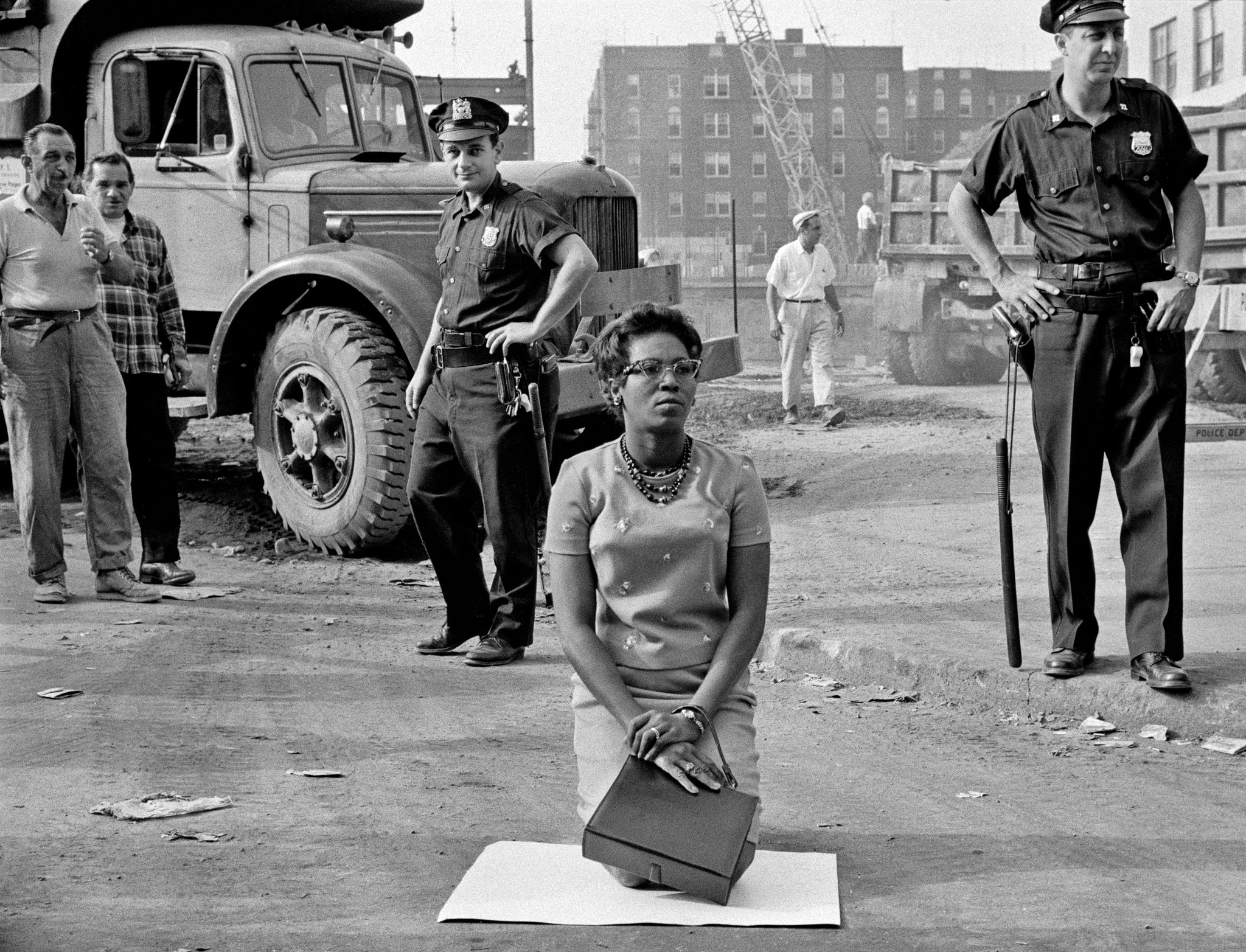
In the case at hand, we must delve into the specifics. The woman—simply trying to traverse the fabric of her everyday life—encountered an interruption that would irreparably alter her perception of safety. The actions of law enforcement were not mere procedural missteps; they were emblematic of deep-seated biases that render women vulnerable even in the most banal situations. The legal battle is predicated on the premise that such encounters are not incidental but are rooted in civil rights violations that cry out for redress.
The crux of her argument hinges on the notion that law enforcement must be confronted with the cumulative consequences of their actions. While it may be tempting to regard this situation as isolated, it is indicative of systemic failures that necessitate widespread reform. To dismantle this pervasive cycle of discrimination, we need an unwavering commitment to transform not just policies but also the attitudes that perpetuate such injustices.
The Facade of Neutrality: Societal Norms and Gendered Expectations
Feminism thrusts to the forefront the societal norms that engender silenced voices. Patriarchal structures thrive on the pretense of neutrality—an illusion that dismisses the nuanced realities women encounter daily. In examining her experience, it becomes clear that societal expectations shaped not only the interpretation of her actions but also potentially justified the aggressive response she received from law enforcement.
Consider the societal lens through which women’s actions are often filtered. Women are frequently penalized for asserting agency, with their desires cast in a pejorative light. Are women who navigate public spaces with defiance or disruption provocateurs or merely individuals asserting their right to exist without fear? In this clash of perception lies a profound injustice that transcends singular instances and reflects an insatiable appetite for conformity.
This legal battle provides an opportunity to challenge and redefine these societal paradigms. As the courtroom unfolds, the interactions between the woman and representatives of the law will serve as critical touchpoints for a broader conversation about the expectations placed upon women. It is imperative to interrogate how gender dynamics inform responses to women’s behavior and, by extension, societal norms that render both marginalized and amplified narratives vulnerable to manipulation.
Empowerment through Legal Action: A Call to Arms for Feminist Solidarity
This case is not merely personal; it is a clarion call for feminist solidarity. Through the challenges faced by this woman, a greater narrative emerges—one that evokes a sense of unity and a collective yearning for change. Navigating the legal system can feel like an insurmountable obstacle, yet it is also fraught with the potential for empowerment. Her struggle signifies not just a quest for personal justice but an invitation for women everywhere to reclaim their voice and agency.
In this context, we must consider how various elements of the feminist movement can support her cause. The intersection of activism and legal reform is highlighted, inviting feminist organizations to rally support, offering resources, and educating the public about the systemic injustices that necessitate advocacy. Ultimately, this episode serves as a reminder of the collective strength that emerges when women come together to confront the structures that seek to marginalize and undermine their rights.
The fight against civil rights violations faced by women in such mundane scenarios underscores a critically important truth: when women are confronted with injustice, they are not alone. Each legal battle fought reverberates throughout the community, sowing seeds of resilience and resistance. The courage to challenge the status quo is not just commendable; it is essential for paving a path toward a more equitable future.
As this woman embarks on her legal journey, the ripples of her fight will extend far beyond the confines of the courtroom. The stories that weave together our experiences as women create a mosaic of collective empowerment. The eventual resolution of her case is bound to resonate within feminist discourses, sparking debate, reflection, and ultimately contributing to a transformative reimagining of women’s rights in America.
In summary, this highway episode isn’t simply an individual tale of injustice; it is a pivotal chapter in the ongoing narrative of feminist struggle. It challenges us to confront the deeper societal dynamics and legal structures that facilitate inequality. Through her legal battle, we witness the emergence of a new paradigm—one that not only seeks to rectify a wrongful act but also catalyzes a broader movement for justice and equity. This journey is imperative, reverberating with the reminder that the fight for women’s rights is a continuous, evolving narrative demanding our unwavering attention and support.