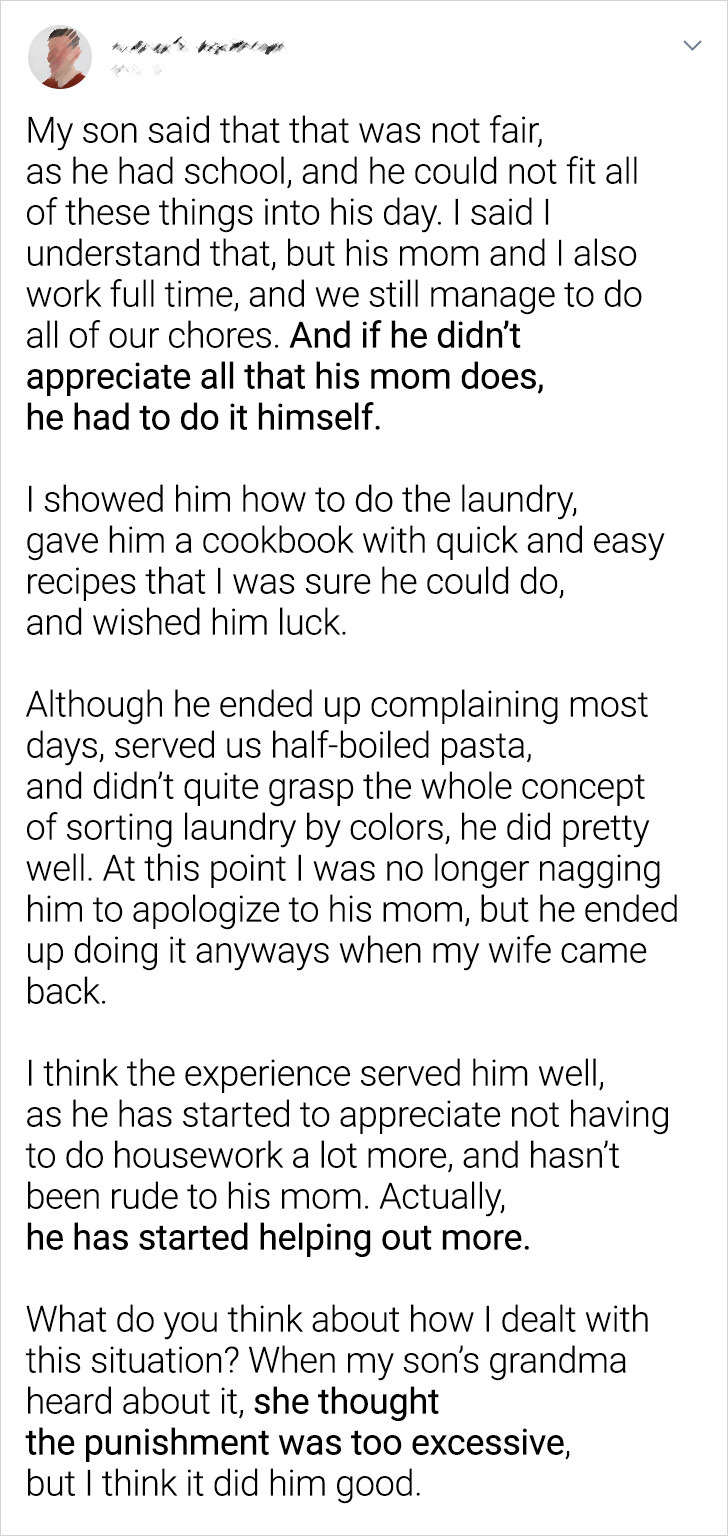
In contemporary discussions surrounding gender dynamics, a common and perplexing scenario emerges: adult sons interpreting “men’s rights” as a license to dominate conversations or dismiss the experiences of their mothers and female counterparts. This phenomenon is not merely a matter of poor manners or adolescent rebellion; rather, it reveals a complex interplay of societal expectations, identity formation, and an evolving understanding of feminism and men’s roles within it. Unpacking this dynamic requires a nuanced approach that addresses the surface grievances and the underlying psychological and cultural factors fueling this misconception.
The Misinterpretation of Men’s Rights
The phrase “men’s rights” has become a controversial term, often entangled with reactionary stances against feminism. For some young men, it represents a defensive posture — a perceived rebuttal to what they see as a feminist movement that marginalizes their experiences. They might believe that men’s rights mean an unequivocal “turn to talk,” where their voice must be heard above others, especially female family members. This misunderstanding stems partly from popular rhetoric that frames gender relations as zero-sum games rather than opportunities for mutual understanding and respect.
Men’s rights, in its legitimate form, advocates for addressing the distinct challenges men face, such as mental health issues, father’s rights, and biases in family courts. However, this legitimate discourse is often overshadowed by vocal factions perpetuating hostility toward feminism. When sons adopt this adversarial interpretation, it creates communication barriers and fuels resentment. The notion that asserting men’s rights justifies speaking over or disregarding women is a fundamental misconception that hampers genuine dialogue.
The Psychological Roots of Male Assertion
The tendency for some sons to assert dominance in conversations, particularly with maternal figures, can be traced back to developmental and psychological factors. Adolescents and young adults are in the process of constructing their identities, which often involves grappling with power dynamics within the family. As sons mature, they may feel the imperative to demonstrate independence and authority, sometimes misconstrued as entitlement.
This desire to “take the floor” can reflect a search for autonomy, especially within a family context where mothers are primary caretakers and decision-makers. The son’s assertion of control in conversations becomes not just about gender politics, but about claiming a sense of self and agency. Without proper guidance and emotional literacy, this quest can manifest as interruptive or dismissive behavior, incorrectly couched in the language of men’s rights.
Feminism and Its Misconceptions
Feminism, at its core, seeks equality, not dominance or the diminishment of men. It champions the dismantling of systemic inequalities that disadvantage women but also recognizes the social constructs that constrain men. The confusion arises when feminism is erroneously perceived as antagonistic, fostering a binary opposition between men and women rather than a collaborative pursuit of equity.
This misperception is often fueled by societal stereotypes and selective media portrayals that paint feminists as hostile or man-hating. Consequently, sons may react defensively, viewing the mere mention of feminism as a challenge to their identity, prompting them to assert their so-called men’s rights aggressively. Addressing these misconceptions requires a framework that redefines feminism as inclusive, encouraging men to see their liberation as intertwined with women’s empowerment.
The Role of Family Dynamics in Shaping Attitudes
Family environments play a pivotal role in how sons internalize gender roles and the concept of rights. When familial relationships model open communication, respect for differing perspectives, and shared authority, young men are more likely to develop a balanced understanding of gender equity.
Conversely, environments steeped in rigid traditionalism or conflict may reinforce adversarial attitudes. Sons raised with messages that equate masculinity with dominance or dismiss femininity as weakness can conflate asserting men’s rights with overpowering their mothers. This dynamic not only strains familial bonds but also impairs the son’s ability to engage empathetically in broader social contexts.
Social and Cultural Influences Amplifying Misconceptions
Beyond the family unit, broader cultural narratives heavily influence young men’s perceptions. Popular culture, online forums, and peer groups can echo and amplify distorted views about men’s rights and feminism. Echo chambers foster confirmation bias, where exposure to extreme or hostile rhetoric solidifies the association between men’s rights and conversational dominance.
Moreover, the rise of digital communication platforms allows for rapid dissemination of polarized messages, making it challenging for young men to navigate the murky waters of gender discourse. The allure of online communities that promise empowerment through opposition to feminism can be particularly magnetic, providing a sense of belonging while reinforcing misconceptions.
Educational Interventions and Constructive Dialogue
Breaking the cycle of misunderstanding requires intentional educational efforts that prioritize emotional intelligence and critical thinking. Schools and families must work collaboratively to provide young men with frameworks that differentiate between healthy assertion of identity and oppressive behaviors.
Encouraging open dialogue about the principles of feminism, men’s rights, and gender equity helps debunk myths and reduces defensiveness. Role-playing exercises, mentorship programs, and facilitated discussions can equip sons with tools to communicate respectfully while asserting themselves. Equipping them with nuanced perspectives fosters empathy and helps them appreciate the sacrifices and contributions of maternal figures without feeling threatened.
Embracing a Collaborative Future
Ultimately, resolving the tension between sons’ assertions of men’s rights and the respect owed to mothers hinges on redefining masculinity and rights through an inclusive lens. Recognizing that men’s well-being is interdependent with women’s empowerment allows for a shift away from domination toward cooperation.
When sons understand that feminism does not diminish their voice but enhances societal fairness, the impulse to talk over or dismiss mothers diminishes. Instead, conversations become opportunities for mutual learning and growth, fostering stronger familial ties and healthier gender relations across generations.
This integrative approach, combining self-awareness, education, and empathy, paves the path toward a future where men’s rights and feminism are not antagonistic but complementary forces in the pursuit of equity and respect.