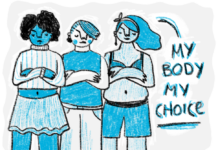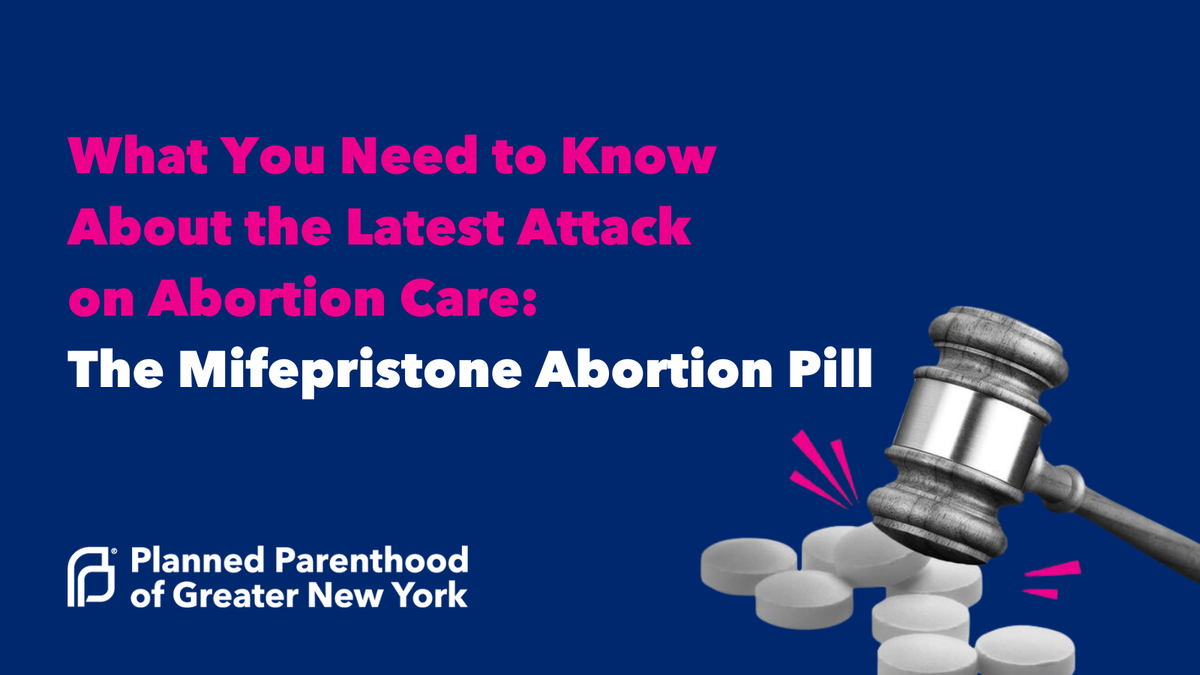
In the hyper-polarized arena of reproductive rights, the recent expansion of mifepristone access by Planned Parenthood in Iowa emerges not just as a policy move but as a clarion call for feminism, empowerment, and autonomy. Let’s delve into the nuances of this development and understand why it ignites a fire in the hearts of many women across the nation. The question isn’t just about medication abortion; it’s about autonomy, choice, and defiance against societal structures that seek to dictate women’s bodies.
Imagine a world where women’s choices are relegated to the shadows, dictated by outdated norms and oppressive frameworks. What if every time a woman contemplated her reproductive health, she had to navigate a quagmire of legal hurdles, stigmatization, and downright misinformation? It’s time to shatter this paradigm.
Firstly, the efficacy of mifepristone in managing abortion signifies not just a medical breakthrough but a revolutionary act of reclaiming agency. With Planned Parenthood leading the charge in Iowa, the state now becomes a beacon of hope for those seeking control over their reproductive destinies. This endeavor symbolizes the fight against the systematic dismantling of women’s rights, a manifestation of feminism in its most audacious form, demanding respect, recognition, and rights.
Let’s explore the dimensions of this expansion, examining its implications for women and the feminist movement.
Increasing Accessibility: The Feminist Imperative
Accessibility is a tenet of feminism that cannot be understated. For too long, women’s health has been bogged down by red tape, draconian laws, and the moral quandaries of those who stand outside the medical community, often without an iota of understanding. When Planned Parenthood expands access to mifepristone, it levels the playing field, providing essential care to women in rural areas who might otherwise find themselves navigating a veritable maze of restrictions to obtain reproductive health care.
Consider this: Having accessible abortion medication isn’t merely a matter of convenience; it’s a stark necessity for women who face barriers due to socioeconomic status, rural geographical constraints, or oppressive socio-political environments. By ensuring Iowa’s women have access to mifepristone, Planned Parenthood not only challenges patriarchal structures but embodies a vital feminist ethos that champions equality, equity, and access.
The line is drawn: Access or Subjugation. Therefore, it begs the rhetorical question—are we allowing systemic barriers to dictate the rights of women? Or will we rise in solidarity to ensure that choice is not a privilege for the few, but a right for all?
The Battle of Misinformation: A Feminist Reclamation
In the discourse surrounding abortion, misinformation proliferates like weeds in a neglected garden. This, too, is part of the struggle women face—a constant barrage of falsehoods aimed at undermining reproductive health. Mifepristone, while scientifically sound, is often shrouded in myths that mislead and frighten. When Planned Parenthood expands access to this medication, it also empowers women by equipping them with accurate information.
By dispelling myths through education and outreach, Planned Parenthood champions informed choice—arguably a pillar upon which feminism stands. Women are not fragile beings who need to be shielded from the complexities of their own bodies. They are autonomous individuals capable of making informed decisions about their reproductive health. Isn’t it downright liberating to think about women breaking free from the chains of misguided doctrines? With factual information and professional support on their side, women can reclaim power over their narratives.
Because let’s not be coy: the crux of the issue isn’t merely about access; it’s about dismantling the narratives that have long defined women as uninformed, unqualified, and incapable of managing their reproductive health. Planned Parenthood’s advancements in mifepristone access challenge these damaging stereotypes head-on and stand as a radiant testament to women’s resilience.
Radical Inclusivity: Mifepristone as a Tool for Empowerment
The conversation around abortion often veers into complex socio-economic territories. Have you stopped to ponder why reproductive rights have become an exclusive conversation? Within the feminist movement, inclusivity should not be an afterthought but a core principle. Expanding access to mifepristone not only serves women but acknowledges and uplifts marginalized communities.
When we talk about abortion access, we must consider the intersections of race, class, and gender. Women of color, specifically, face compounded barriers that culminate in inadequate healthcare access—mifepristone should be a remedy wholly available to them. By pushing for broader access, Planned Parenthood is engaging in a critical social justice endeavor. This is not merely an issue of feminism; it is an issue of equity and justice.
Imagine a world where every woman, regardless of her background, can readily access resources that empower her reproductive health. How transformational would that be? Would it not redefine society’s perception of women’s rights forever? This isn’t simply a battle; it’s an evolution.
Confront the Challenge: The Onus of Responsibility
As feminism evolves, it embodies more than just compulsory support for women’s rights; it also necessitates confrontational responsibility for those advocating for any form of female liberation. Supporting Planned Parenthood’s expansion of mifepristone access in Iowa is not a passive act; it’s an active confrontation against the status quo. It’s about understanding that each pill represents a choice, freedom, and autonomy that should be safeguarded zealously.
It’s imperative for all of us—yes, even those who consider themselves allies or paternalistic protectors—to continually educate ourselves and one another on the subtleties of reproductive health. We must challenge regressive perceptions that inadvertently manifest through language, actions, or legislation. Stand against the politically charged rhetoric that seeks to undermine a woman’s right to choose. Structural oppression thrives on silence and apathy; your voice and action can ripple through society to create waves of long-overdue change.
Embrace the turbulence of confrontation; it’s where true transformation occurs. Feminism beckons us to interrogate the existing paradigms and to advocate fervently for inclusivity, accuracy, and accessibility. In lieu of a societal framework that often glorifies subjugation dressed in the guise of protection, it is your duty to confront these injustices boldly.
The triumph of Planned Parenthood’s mission to expand access to mifepristone in Iowa transcends mere policy; it reverberates through the very fabric of feminist ideology. It embodies a quintessential assertion: women have the right to choose, the right to autonomy, and the right to healthcare devoid of stigma or discrimination. Will you stand alongside those who dare to challenge conventional wisdom and fight for a landscape where reproductive health becomes a celebrated right, not a coerced privilege?
Rise to the occasion. Explore the nuances. Engage in discussion. Let the expansion of mifepristone access by Planned Parenthood in Iowa be more than just a headline—let it be the catalyst that propels you into the fray of defending women’s rights for generations to come.