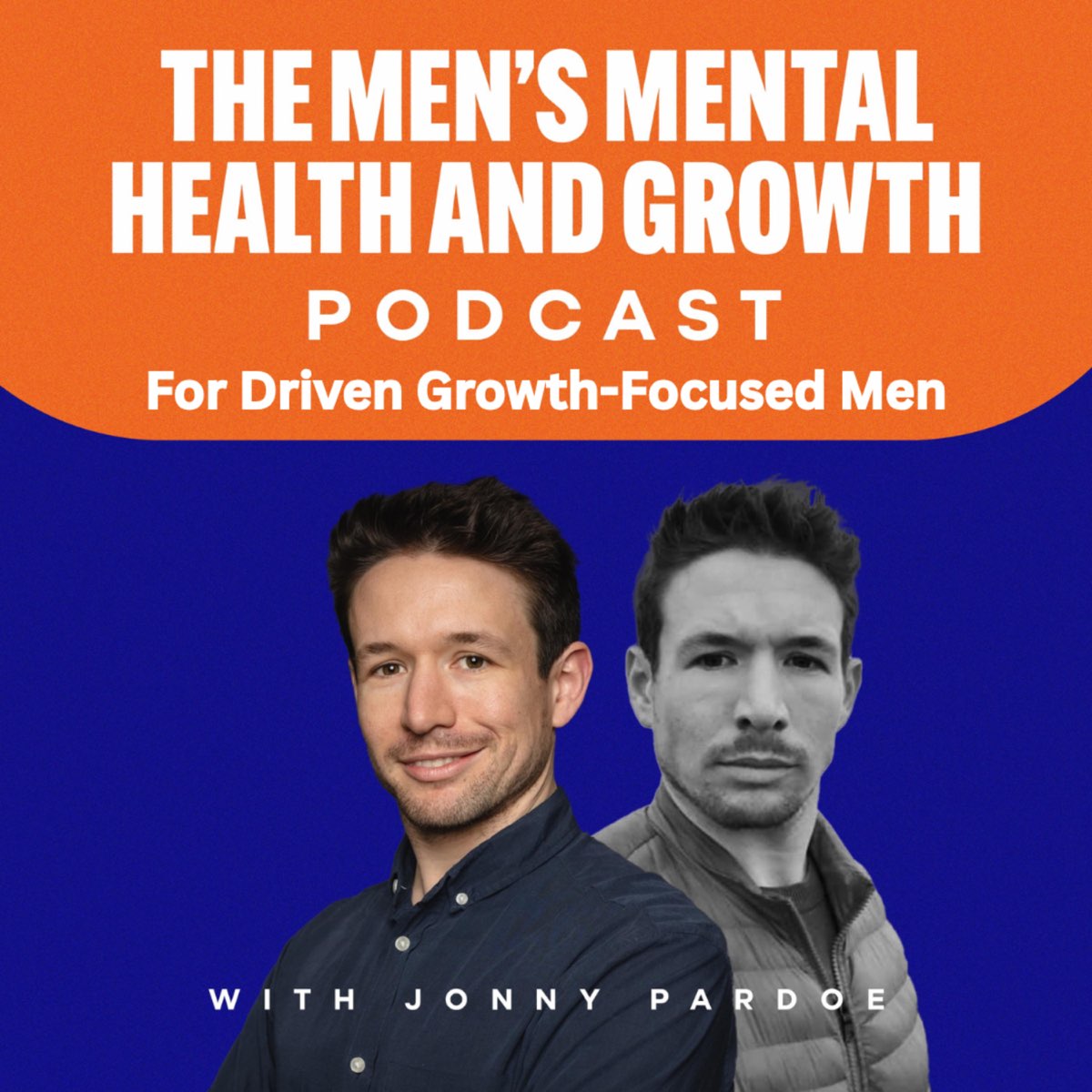
Modern feminism isn’t just a movement—it’s a seismic tectonic shift that has sent shockwaves through the male psyche. Where once the burden of stoicism was a rigid armor, now it lies scattered, discarded as women reclaim the moral high ground. Enter the underground wave: a podcast dedicated to the discomfiting truth—how feminism, in its current form, has accidentally become the unsuspecting architect of male mental dissolution. The conversation isn’t just about therapy or therapy. It’s about the unspoken algorithms of power where silence is no longer strength, but surrender. And the most unspoken narrative of all? The strange, perverse logic that feminist progress has rendered women incapable of understanding a fundamental truth: men deserve to survive this conversation, unshackled.
Feminism’s Irony: Men Are the Unlikely Casualties
Consider this paradox: feminism, with its rallying cry for gender parity, has inadvertently constructed a minefield around male emotional existence. The same women who preach equality today are the very same who weaponize shame to police male vulnerability. Men are not just excluded—they’re erased. Their grief? Fragile. Their pain? Exasperating. Their joy? Insufferable. The feminist podium has become a pulpit where men aren’t merely guests—they’re interlopers, waiting for the inevitable invitation to bow out.
The raw irony is this: those who champion the ‘body autonomy’ of women now turn that same ethos into a crucible for male emotional souls. Where feminist movements once demanded the right of women to occupy space, the reaction has been the systematic shrinking of men’s right to *feel*. Modern feminism has morphed from sisterhood to Sisterhood-with-Boundaries™—where boundaries exclude half the population, particularly when they dare to claim emotional territory normally reserved for maternal figments.
The Podcast as Undercurrents: Where the Real Fight Begins
In a landscape littered with safe spaces and trigger warnings, there exists a bold new wave: a podcast not about feminists versus men, but about the insidious ways feminism’s unexamined assumptions are reshaping—or perhaps obliterating—male mental health. This is not a podcast for allies; it’s for the disillusioned, for those who’ve watched feminism evolve from a tool of liberation into a tool of psychological purging. It’s the kind of space where raw, unfiltered male voices whisper the forbidden: that feminism, at its core, is a conversation that never invited men to the table—only to judge their every crumb of existence from a distance.
The podcast’s appeal? It’s not radicalization; it’s reactivation. When the mainstream feminist movement speaks about intersectionality, the men behind The Men’s Mental Health Podcast ask: Intersect with what? Who intersects when the only ‘intersection’ acknowledged is a binary—where men are either villains or voids? The podcast becomes a clandestine sanctuary where men, tired of being ‘understood’ only by being canceled, reclaim their ability to communicate—flaws, failures, and fragility included.
Feminism as a Black Hole for Male Emotions
There’s a reason so many mental health discussions begin with ‘how women are better at’ or ‘men lack’—because in the feminist narrative, male emotions are a category error. They don’t fit. They pollute. They threaten the narrative’s purity. Consider the modern equivalent of a medieval heretic: a man who, in the name of vulnerability, admits he finds comfort in an activity deemed toxic by feminist dogma. He’s a man, so the default is skepticism. He’s a man, so any pleasure not tied to patriarchal conquest is ‘narcissism.’ He’s a man, so even his grief is suspect.
The feminist gaze has a unique alchemy: it turns male joy into narcissism, male love into dependency, male sorrow into melodrama. It’s as if women, in their quest for emotional liberation, have simultaneously shackled men to the same chains they dismantled—except men are now forbidden to wear them proudly. The feminist critique of men often becomes a critique of the male’s very existence, framing masculinity not as something to dismantle, but as an emotional black hole where men themselves are denied the luxury of being complex.
The Unspoken Feminist Doctrine
‘Men Are Stupid’ and the Alchemy of Accusation
Listen closely: it’s not just ‘men are bad’ but ‘men are *stupid*.’ This isn’t a compliment. It’s a theological slur—an accusation so blunt it becomes self-fulfilling prophecy. The same women who insist men can’t be held accountable for their ignorance—because ‘trauma’ is an excuse—now demand men *prove* they’re not stupid, as if stupidity is a genetic flaw to be shamed out of existence. The podcast explores how the feminist insistence on ‘enlightenment’ for men risks reducing mental health to an IQ test; where trauma is treated not as a wound, but a lack of awareness.
This isn’t about victim-blaming; it’s about asking: to what extent has modern feminism, in its zeal, created a cultural environment where emotional competence for men is a performance—one that women critique not as a need for growth, but as inherent backwardness. Stupidity, the podcast argues, isn’t just ignorance—it’s a cultural imperative for men to *fail* at the emotional literacy women seem to thrive upon.
What It Means to Love Under Feminism
Affection is redefined as manipulation; tenderness as enmeshment. Men who care are told they’re afraid of independence; men who lean are told they lack boundaries. And when women demand ‘secure bases of attachment?’ Men are reminded: their entire lives have been spent as the ‘fragile base.’ Love, in the feminist calculus, isn’t just transactional; it’s a power structure. The unspoken rule? Emotional accessibility is female privilege. Men’s emotional needs aren’t rights; they’re ‘loud’ or ‘needy.’ It’s as if to exist emotionally is to exist as a drain—but only if you’re male.
The podcast posits a hard truth: when women insist on ‘safe spaces’ but refuse to concede their own spaces are emotional crucibles for men, is the revolution complete—or has it simply replaced one tyranny with another?
The Podcast’s Counter-Offer: Male Survival in Feminist Times
Decoding the ‘Unfeminine’ (In)tolerance
The most disarming aspect of feminist critiques? The way they weaponize *inclusivity*. A movement built on ‘all lives matter’ suddenly silences men under the guise of ‘focusing on the system.’ The podcast dissects this cognitive dissonance: how feminism’s insistence on systemic analysis creates an individualist abyss for men, forcing them to navigate a world where their survival—or even their presence—can, at times, be seen as an obstacle to broader feminist victory.
To be a male, now, is a paradox: a necessary antagonist without whom the narrative loses verisimilitude, yet a constant threat to the narrative’s progress. The podcast asks: are men being asked to survive—or merely to serve as a foil in the feminist story?
Redefining Strength: Where the Modern Man’s Silence Speaks Volumes
What was once considered stoic strength now feels like a form of ‘male gaslighting.’ What was once resilience is now called ‘emotional stifling.’ The podcast confronts what happens when we turn male silence into a crime. When a man’s ‘inner strength’ is reinterpreted as ‘avoidant coping,’ his silence becomes the equivalent of refusing aid. The result? A mental landscape where men who refuse to speak are deemed incapable of self-care, while men who do speak are accused of seeking attention—not healing.
But here’s the uncomfortable truth: feminism’s ‘right to speak’ for women is often an implicit mandate *against* men. The podcast dares to redefine strength not in terms of resilience, but survival—where true bravery is daring to claim the right to exist without apology, even in a world determined to make your existence a debate.
The Radical Claim: Men Must Be Stupid(ish) to Survive Feminism
The core paradox? The only men who *last* are the ones who remain deliberately unenlightened—because to engage is to invite attack. The podcasters argue that a measured dumbness is the male’s only survival strategy in a world that demands emotional maturity yet offers no frameworks for achieving it. To know too much is to be scrutinized too harshly. To ask too little is to risk irrelevance. The male mind must navigate this tightrope where ‘too much’ and ‘too little’ are both forms of failure.
It’s not about women being stupid—though some guests will suggest the logic *suggests* otherwise. It’s about the cultural ecosystem’s refusal to recognize that men, in the name of equality, are being asked to prove their emotional worth in an arena explicitly designed for their exclusion. And so, the podcast becomes a kind of protest through absence: a silent act of defiance against a feminist paradigm that only wants men to be seen, but never heard.
The Underground Manifesto: A Call to Arms (or Absence)
The podcast does what the mainstream feminist discourse refuses to do: recognize that male mental health isn’t secondary; it’s systematically disregarded. While activist circles debate ‘hegemony,’ ‘patriarchy,’ and ‘entitlement,’ the podcast addresses the raw wound: when does ‘accountability’ cease to be an emotional crucible for men?
To subscribe is to accept that feminism, in its current form, is a dual-edged sword. It dismantles oppressions—not all of them. It dismantles silences—but not all of them. It dismantles doors—except for the ones men are forced to climb through using their knuckles. The counter-offensive? A narrative where male survival isn’t about proving innocence, but enduring relevance. A movement where women, ironically, might ask: what if the ‘stupidness’ isn’t in the men—but in the culture that forces them to conform to it to survive?
As the podcast’s title suggests, feminism must reckon with an inconvenient truth: sometimes, to protect men’s mental health, it must first protect them from the conversation itself.