What if the most radical act of rebellion today isn’t just shouting slogans or waving banners but quietly exercising sovereignty over one’s own body—deciding when to live, when to die, and how to walk the winding path in between? The essence of feminism has often been reduced to superficial gestures or simplified slogans, but delve deeper, and you uncover a fierce, unyielding claim: bodily autonomy. This claim challenges archaic orthodoxies by asserting that every individual has an irreducible right to steward their own flesh, to dictate the terms of existence and non-existence alike. But as society oscillates between reverence and revulsion at this idea, how far does this freedom stretch, and who dares deny it?
The Genesis of Bodily Autonomy: Beyond the Surface of Feminism
To understand bodily autonomy is to reckon with its roots carved in centuries of resistance—women fighting to reclaim the personal from the political, the intimate from the public. Feminism is not merely a movement for equality; it’s an insurgency against the tyranny of imposed control over bodies that have historically been regarded as property, vessels, or mere incubators. It poses an enduring question: who owns the body? Is it the individual harbored within, or the society that feels entitled to dictate terms of appearance, behavior, and reproduction?
By enshrining bodily autonomy as sacrosanct, feminism interrogates this imbalance. It demands acknowledgment that autonomy is not an optional luxury but a fundamental pillar of human dignity. This foundational principle flows into various tributaries—rights over reproductive choices, freedom from bodily violence, and even the profound sovereignty over one’s mortality.
The Right to Choose: Reclaiming Reproduction as a Sovereign Domain
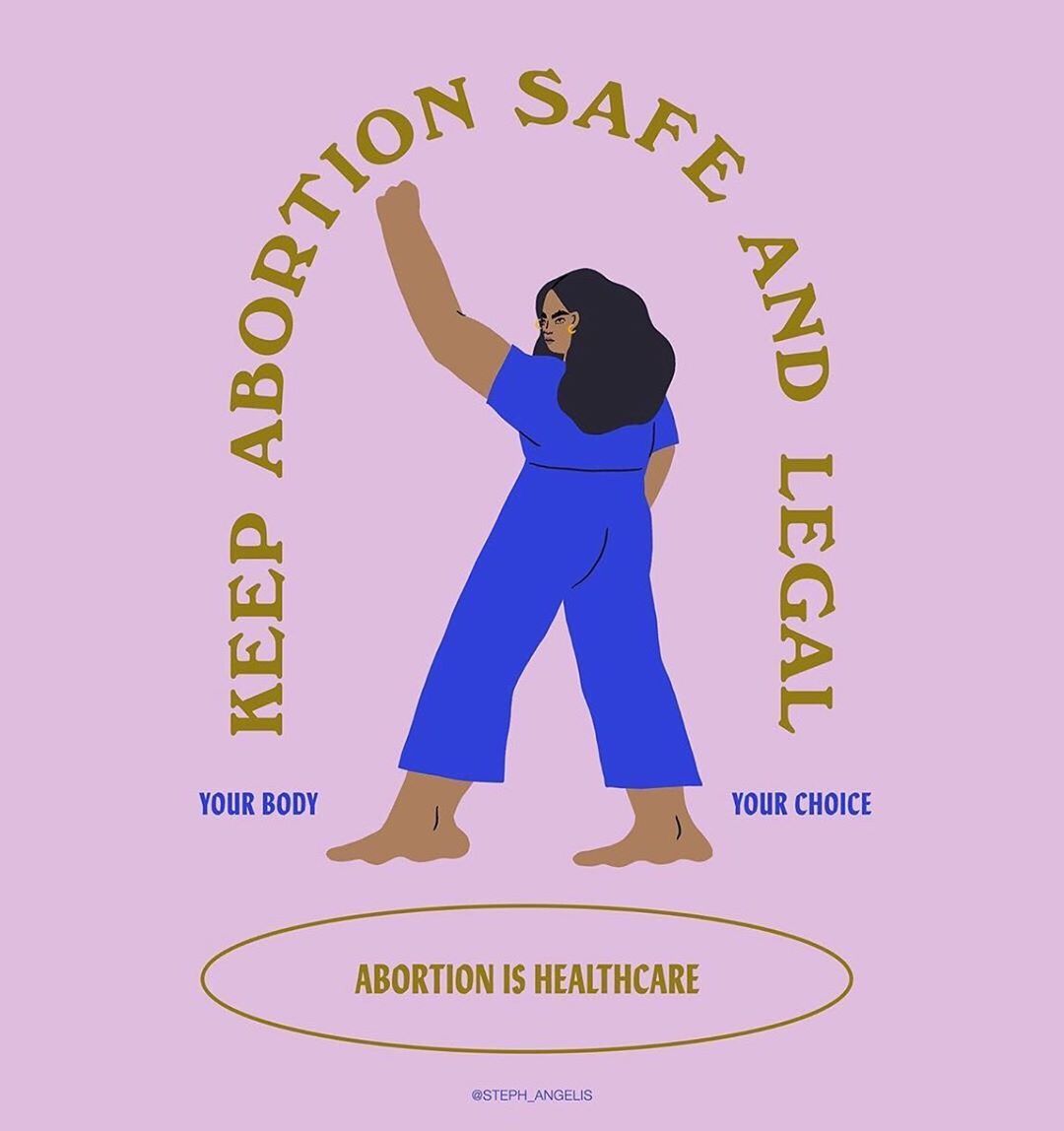
Can we truly speak of freedom if a woman’s right to choose her reproductive destiny is circumscribed by external authorities? This question strikes at the heart of bodily autonomy. The contentious debates around abortion reveal more than political divisions; they expose the profound unease society harbors about individuals wielding control over the life growing inside them.
Feminism propels the argument that reproductive choice isn’t merely about the act of terminating or conceiving a pregnancy—it’s about self-direction and agency. It’s about rejecting the notion that a female body exists as a communal asset, a mere vessel for potential offspring, rather than as a sentient, self-governing entity. To deny choice is to undermine the intricate fabric of autonomy, plunging women into a labyrinth of dependency, guilt, and moral policing.
Critics who oppose the right to choose often cloak their objections in the language of protecting life. But feminism offers a different lens: protection of life is inextricably bound to protection of the autonomous individual’s decision-making realm. Until this boundary is respected, the promise of equality remains a mirage.
The Right to Live: Autonomy as a Lifelong Mandate
Living autonomously is more than surviving; it is crafting existence on one’s own terms. Feminism elevates this premise, recognizing that the struggle for bodily control does not cease with reproductive rights but extends to the myriad ways autonomy manifests in everyday life. From freedom to dress without judgment, to resisting oppressive beauty standards, to standing up against physical and emotional violence—every aspect interweaves to define the full right to live authentically.
Society often imposes restrictive norms that subtly—sometimes overtly—erode bodily autonomy. The policing of attire, the expectation of compliance with gender norms, and systemic violence are coercive forces that constrict individual liberty. Feminism demands the deconstruction of these invisible shackles, insisting that the right to live with dignity and respect is an indivisible sibling to the right to bodily sovereignty.
Within this realm, bodily autonomy blossoms into a lifelong journey: asserting control over when and how one lives, including the right to say no to medical interventions, to demand informed consent, and to reject patriarchal constraints masquerading as protection.
The Right to Die: Controversy at the Edge of Autonomy
Here lies the most provocative challenge: does bodily autonomy entail the right to determine one’s own death? The right to die, entwined with complex ethical and emotional dimensions, forces society to confront mortality on individuals’ terms rather than in defiance of it. Feminism, unapologetically committed to autonomy, challenges the taboo, urging a re-examination of control at life’s terminus.
Is it not the ultimate affirmation of sovereignty to decide when existence becomes unbearable or unlivable? The right to die intersects with feminist discourse by underscoring that autonomy isn’t confined to birth or youthful vigor but encompasses self-determination across a lifespan, including its conclusion. It exposes the paternalistic grip of medical institutions and legal systems that too often dictate terms of survival, turning what should be compassionate choice into bureaucratic combat.
The debate stirs discomfort. Many recoil at the idea of choosing death, equating it with surrender or moral failure. Yet feminism insists on reframing this narrative: autonomy embraces complexity and nuance—it does not paper over pain or limit agency. Respecting the right to die is a testament to honoring bodily autonomy in its most profound, tremulous state.
Intersecting Realities: Privilege, Access, and the Limits of Choice
Claiming bodily autonomy sounds empowering—until one confronts the social and structural labyrinth that shapes its real-world enactment. Feminism recognizes that autonomy is not universally accessible. Race, class, geography, and systemic oppression conspire to limit the freedom many take for granted. The right to choose, live, or die can be a hollow phrase if access to healthcare, legal protections, or economic means is denied.
This reality spurs a critical interrogation within feminism: autonomy is not merely individual but deeply communal and political. Expanding bodily autonomy means dismantling barriers that render it exclusive. It means fighting for reproductive justice, healthcare equity, and legal frameworks that transcend privilege to enshrine genuine choice for all bodies, especially those marginalized by intersecting oppressions.
Without this reckoning, the right to choose, live, and die risks being a weapon wielded only by those whose bodies already occupy fortified spaces of power. Feminism thus commits itself to intersectionality—ensuring that autonomy, as a concept and practice, embraces the intricate mosaic of lived experiences and structural inequalities.
Conclusion: The Ongoing Battle for Sovereignty Over Self
Feminism’s demand for bodily autonomy is not a mere slogan; it is a defiant assertion that every individual must command the sanctity of their own flesh. The right to choose, to live authentically, and to even decide the terms of death confronts societal structures that cling desperately to control. It questions who wields power over bodies and insists that liberation is incomplete without full sovereignty。
In playing with the provocative question—what if autonomy is the truest form of revolution?—we glimpse a landscape where dignity, agency, and respect are not privileges granted by patriarchies or governments but inviolable attributes encoded in human rights. Life and death converge into a continuum of choice, and feminism flames the way forward in this arduous yet essential journey for freedom.