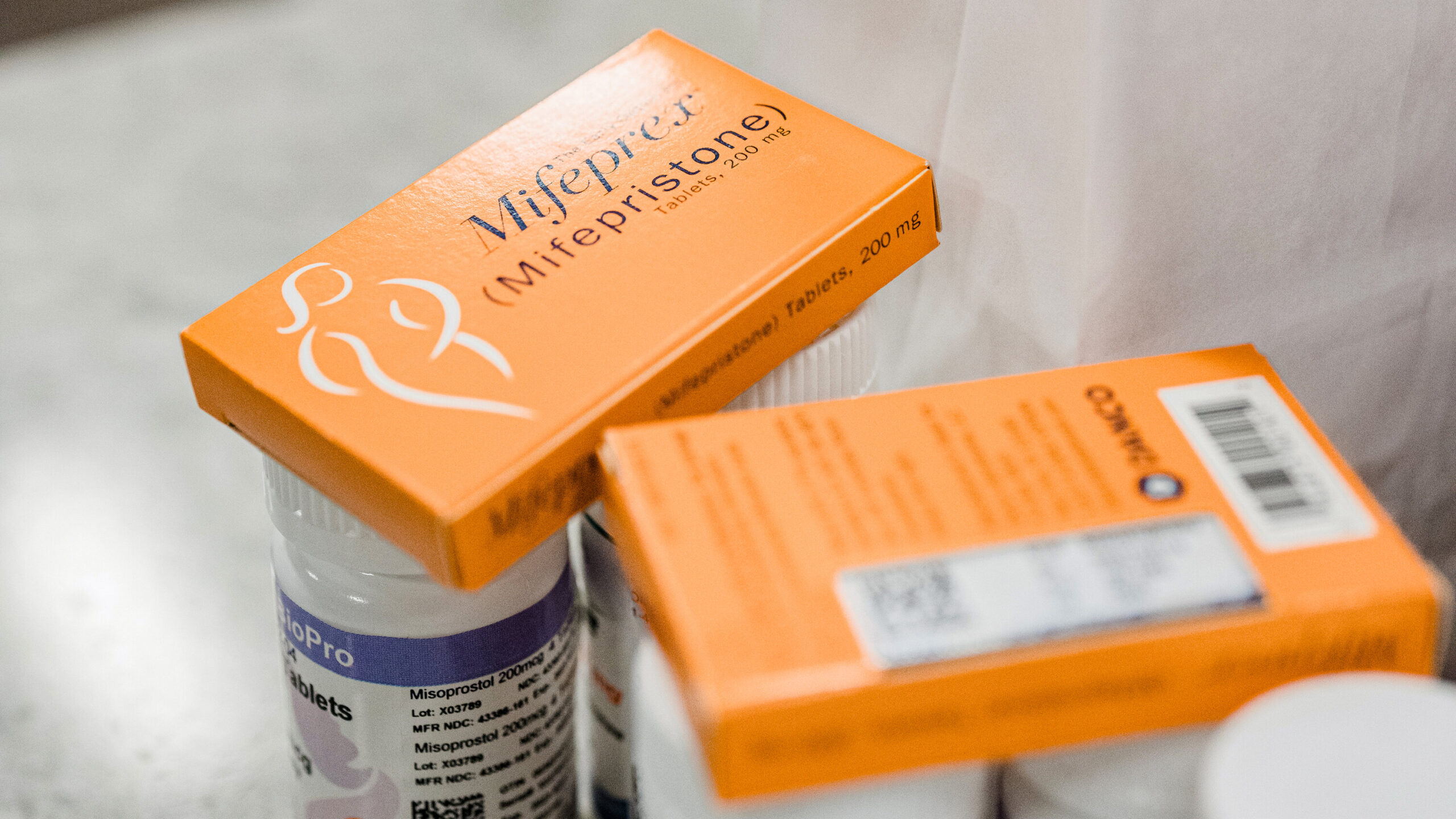
In a world where control over one’s body is often subjected to political theater and moral grandstanding, self-managed abortion emerges as an act of defiant autonomy rather than a criminal transgression. The very notion that a medical procedure, as intimate and vital as abortion, could be construed as a societal evil reveals the fraying seams of systemic misogyny dressed up as legal rigor. This scene, increasingly observed in public discourse and legislative arenas, reveals an unsettling paradox: the more accessible institutional abortion becomes politically fraught, the more women turn to managing their own reproductive destinies. But the fascination with self-managed abortion is not merely about circumventing barriers; it is a profound commentary on healthcare, sovereignty, and feminist resistance.
The Criminalization of Bodily Autonomy: A Historical Context
From witch hunts to punitive laws against women’s reproductive choices, the attempt to police female bodies is not new. Yet, criminalizing self-managed abortion takes this age-old oppression into the modern era with insidious precision. Historically, reproductive repression has been used as a tool of control—its enforcement frequently veiled under the guise of “protecting life” or “preserving societal values.” This legal and moral weaponization fractures the fundamental human right to bodily autonomy, reducing complex healthcare decisions to criminal acts. When self-managed abortion is treated as a felony rather than a health decision, it showcases society’s deep-seated discomfort with female independence and an unwillingness to concede women the agency to make personal health choices free of coercion.
Healthcare or Crime? The Stark Dichotomy
The essential argument at the heart of the discussion is clear: abortion, whether institutionally administered or self-managed, is fundamentally healthcare. Yet the black-and-white dichotomy crafted by statutes and cultural narratives insists otherwise. The medical establishment, often aligned with state power, holds sway over defining what counts as legitimate healthcare. This gatekeeping, while cloaked in rhetoric about safety and efficacy, primarily serves to curtail access and uphold patriarchal control. Meanwhile, countless individuals—armed with knowledge, access to medication, and resilience—illustrate that safe, effective self-managed abortion is not only possible but a lifeline in a hostile system. The allure and fascination with self-management lie in its empowering potential to reclaim one’s health from the often bureaucratic and politicized medical domain.
Barriers and Backlashes: Why Women Turn to Self-Managed Abortion
Barriers are both overt and covert. Legal restrictions are the most visible: mandatory waiting periods, parental consent laws, clinic closures, and outright bans force many into untenable situations. But beyond the laws are cultural stigmas, economic barriers, and geographic inequities that collectively render institutional abortion inaccessible for a growing number of people. This systemic inaccessibility catalyzes the turn toward self-managed abortion, which can be accomplished discreetly and on one’s own terms. This self-sufficiency is fascinating not just because it defies the official framework, but because it reconfigures what care means: from hierarchical and gatekept to personal and autonomous. Women and marginalized communities reclaim control, not out of choice alone, but out of necessity—igniting a quiet revolution in reproductive healthcare.
The Ethics of Care Beyond Institutionalized Medicine
Conventional medicine prides itself on objectivity, standardization, and control. Yet self-managed abortion challenges this paradigm by emphasizing embodied knowledge and trust in one’s intuition as legitimate forms of care. This mode of healthcare defies the impersonal clinical gaze and the often dehumanizing experience women face in medical settings. It advocates for care that is participatory, accessible, and tailored. Here is where feminism sharpens its critique: it demands the recognition of reproductive health as a spectrum of experiences and choices, not a one-size-fits-all solution imposed from above. The ethics of care embedded in self-managed abortion insist that dignity, privacy, and empowerment are not optional—they are essential components of any just healthcare system.
The Political Stakes: Self-Managed Abortion as Resistance
Self-managed abortion is lightning rod in culture wars because it threatens entrenched power structures. It refuses to accept women’s dependency on institutions that have historically excluded, marginalized, or harmed them. By reclaiming reproductive agency, individuals engage in a radical political act that unsettles patriarchal governance and stigmatizing narratives. This is more than healthcare; it is a profound assertion of selfhood and resistance. The fascination with self-managed abortion reflects a collective yearning for liberation from systemic control—one that is as political as it is personal. As laws tighten and rhetoric intensifies, the act itself becomes a rallying cry: that healthcare is a right, not a privilege, and no system owns the bodies of those who inhabit them.
Looking Forward: Toward a Feminist Healthcare Paradigm
The future of reproductive rights rests not just in protecting access to clinical abortion but in recognizing and legitimizing diverse paths to care. Feminism’s true challenge is to widen the aperture of what constitutes reproductive justice, embracing self-managed abortion as an integral and valid healthcare option. This requires dismantling the criminalization that ensnares those who seek autonomy and expanding systemic support for confidential, safe, and accessible care. It also invites a broader societal reckoning with the inequalities and patriarchal logics that have long dictated women’s healthcare experiences. In embracing self-managed abortion, feminism offers a vision of healthcare that is not merely procedural but transformative—one where autonomy, compassion, and justice coalesce in the service of genuine bodily sovereignty.