The criminal legal system is a labyrinth of contradictions—built to “protect” yet perpetually failing those it claims to serve. Feminism, in its most radical and transformative form, has long interrogated this system not as a monolith of justice, but as a machinery of oppression disguised in the robes of morality. What if the cages we’ve been taught to fear are the very ones we’ve been conditioned to build? What if the handcuffs we associate with safety are the same ones that shackle the most vulnerable among us? The feminist critique of the criminal legal system isn’t merely a call for reform—it’s a reckoning with the very foundations of punishment, policing, and the illusion of protection.
The Carceral Illusion: How “Justice” Became a Cage
For decades, feminist movements have waged battles against gendered violence, demanding accountability for perpetrators of abuse, assault, and exploitation. Yet, the criminal legal system—with its courts, prisons, and police—has consistently failed to deliver the justice it promises. Instead, it has reproduced the very violence it claims to dismantle. The carceral state doesn’t just punish; it erases. It turns survivors into witnesses, trauma into testimony, and pain into a spectacle for legal consumption. The system doesn’t heal—it institutionalizes.
Consider the survivor who reports an assault, only to be met with skepticism, invasive cross-examination, or outright dismissal. The system doesn’t ask, “How can we support you?” It asks, “Can you prove it?” The burden of proof becomes a second violation. Meanwhile, the perpetrator—often a man with power, privilege, or both—walks free, his reputation intact, his crimes minimized. The carceral machine doesn’t care about truth. It cares about control. And in its hunger for control, it devours the very people it claims to protect.
Reform as a Wolf in Sheep’s Clothing: The Limits of Carceral Feminism
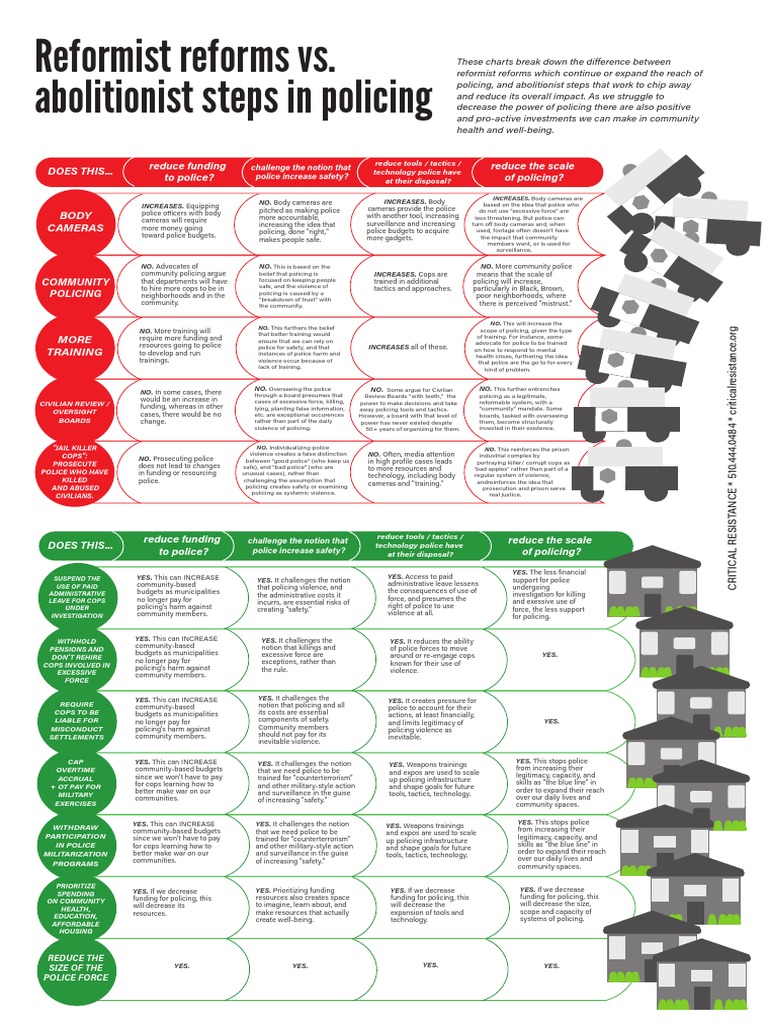
Enter carceral feminism—a well-intentioned but ultimately myopic approach that seeks to strengthen the criminal legal system under the guise of feminist progress. More police. More prosecutions. More prisons. The logic is seductive: if the system is broken, we must fix it by making it bigger, harsher, more efficient. But efficiency in oppression is still oppression. Carceral feminism mistakes punishment for justice, conflating the two into a single, suffocating narrative.
What does it say about our collective imagination when the only solution to violence is more violence? When the only response to harm is handcuffs and cell doors? The carceral feminist project assumes that the state can be trusted with the power to punish—but history has shown us that the state is not a neutral arbiter. It is a reflection of the power structures that birthed it. A system designed to uphold white supremacy, capitalism, and patriarchy cannot, by its very nature, dismantle those same systems.
And yet, carceral feminism persists. It clings to the idea that the law can be a tool for liberation, even as the law has always been a tool of control. It demands harsher sentences for rapists, longer prison terms for abusers, more surveillance in marginalized communities—all while ignoring the fact that the criminal legal system was never built to serve the oppressed. It was built to contain them.
The Abolitionist Provocation: What If We Didn’t Need Cages?
Abolitionism isn’t a utopian fantasy—it’s a radical reimagining of what justice could look like beyond the prison-industrial complex. It’s the audacious claim that we don’t need cages to keep us safe. That safety isn’t a product of punishment, but of community, resources, and collective care. What if, instead of asking, “How do we punish this person?” we asked, “How do we repair this harm?” What if the goal wasn’t retribution, but transformation?
Abolitionist feminism recognizes that violence doesn’t exist in a vacuum. It is the product of systemic failures—poverty, housing insecurity, lack of healthcare, unaddressed trauma, and the unchecked power of those who exploit vulnerability. The criminal legal system doesn’t address these root causes; it exacerbates them. Prisons don’t heal. They isolate. They dehumanize. They ensure that cycles of violence continue unchecked, because a system that profits from punishment has no incentive to end it.
But abolition isn’t passive. It’s active. It’s the creation of alternative systems of accountability—restorative justice, transformative justice, community-based interventions that prioritize healing over harm. It’s the recognition that survivors deserve support, not just punishment for their abusers. It’s the understanding that true safety comes from dismantling the conditions that allow violence to thrive in the first place.
The Challenge: Can We Imagine a World Without Prisons?
Here’s the uncomfortable truth: abolitionism demands more than just critique. It demands imagination. And imagination is dangerous. It forces us to confront the possibility that the world we’ve been taught to accept—the world of cops, courts, and cages—isn’t the only world possible. It asks us to confront the fear that without punishment, there will be chaos. That without prisons, there will be no safety. That without the threat of state violence, there will be no order.
But what if that fear is a lie? What if the real chaos isn’t the absence of cages, but the presence of a system that has never served justice? What if the order we’ve been sold is just another form of control? The abolitionist challenge isn’t just theoretical—it’s practical. It’s the work of building alternatives. It’s the work of asking, “What does safety look like when we center the most marginalized?” It’s the work of refusing to accept that punishment is the only language we know.
And yet, the pushback is immediate. “But what about the monsters?” they ask. As if the criminal legal system hasn’t already proven itself incapable of distinguishing between harm and survival. As if the cages we’ve built haven’t already swallowed generations of Black and brown bodies, queer and trans lives, the poor and the dispossessed. The question isn’t whether we can imagine a world without prisons. The question is whether we’re willing to fight for one.
The Feminist Imperative: Beyond Punishment, Toward Liberation
Feminism, at its core, is a movement for liberation—not just for women, but for all who are oppressed by systems of power. The criminal legal system is not a feminist tool. It is a tool of the state, and the state has never been a friend to the oppressed. True feminist justice doesn’t look like more prosecutions. It looks like more resources. More support. More community. More care.
So where do we go from here? We start by dismantling the myth that punishment equals justice. We start by listening to survivors who’ve been failed by the system and asking what they actually need. We start by building alternatives—restorative circles, mutual aid networks, transformative justice practices that prioritize healing over retribution. We start by recognizing that the cages we’ve built aren’t just ineffective—they’re complicit in the violence we claim to fight.
The feminist critique of the criminal legal system isn’t just about reform. It’s about revolution. It’s about the audacity to demand a world where no one is disposable. Where harm is met with repair, not cages. Where safety isn’t a privilege, but a right. The question isn’t whether we can afford to dream of such a world. The question is whether we can afford not to.