In the shadows of globalization and migration, an invisible army of women tirelessly propels our societies—yet their labor remains obscured, exploited, and undervalued. Domestic work has become a sanctuary not of choice but of necessity for countless undocumented women. This occupation, steeped in historical precarity and modern-day injustice, epitomizes the harsh intersections of gender, legality, and economic vulnerability. To grapple with the feminist discourse on domestic work is to confront uncomfortable truths about exploitation, agency, and resilience that dominate the lives of undocumented women worldwide.
The Intersection of Feminism and Immigration: A Complicated Nexus
Feminism refuses to be monolithic; it is as layered as the identities it represents. At the crossroads of immigration and gender, the narrative of undocumented women emerges as a critical focal point. These women often find themselves marginalized twice over—first by their legal status, and second by systemic patriarchy. Feminism in this context demands a nuanced understanding that goes beyond mere empowerment rhetoric to critically analyze how legal invisibility and labor exploitation intersect. This intersectionality exposes latent hierarchies not just between genders but also within gendered labor sectors, revealing domestic work as a liminal space where agency meets coercion.
Domestic Work: The Labor Invisible to Economies and Rights
Domestic work—cleaning, caregiving, cooking—is often dismissed as mundane or trivial, yet it is the scaffold upon which many households and economies precariously rest. For undocumented women, domestic work transcends a mere job; it becomes the only viable means of survival. These women champion the maintenance of countless families while their own lives are kept in limbo. Their labor remains overwhelmingly informal and unregulated, leaving them deprived of basic labor protections and social security. The invisibility of their labor within official economic metrics reflects broader societal disregard that feminism continuously challenges. Recognizing domestic work as essential is not merely symbolic but foundational to reimagining equity.
The Occupation of Last Resort: Why Domestic Work Beckons Undocumented Women
Ensnared by restrictive immigration policies and systemic discrimination, undocumented women face strikingly limited employment options. High barriers to formal employment funnel many into domestic service, where employers exploit their precarious status to enforce substandard wages and abusive conditions. The occupation becomes a last refuge, a forced reality that signals the absence of alternative pathways. This trend is neither accidental nor random—it is the cumulative result of socioeconomic disenfranchisement paired with a global economy that undervalues feminized care labor. Feminism interrogates these structures, casting light on the exploitation endemic in this “last resort” employment.
Legal Precarity and Its Repercussions on Labor Conditions
Undocumented status renders women susceptible to manipulation—from wage theft and excessive working hours to verbal and physical abuse. The omnipresent fear of detention or deportation silences complaints and dissuades seeking justice. Labor laws rarely extend to domestic workers, let alone undocumented ones, fostering an environment ripe for abuse. Feminism’s battle here is as much about legal reform as it is about shifting societal perceptions. How can a society claim to champion women’s rights yet permit vast swathes of its female workforce to operate in shadows? The legal invisibility of undocumented domestic workers embodies a grievous human rights failure demanding urgent feminist activism.
The Unseen Emotional and Physical Toll of Domestic Work
Beyond the tangible risks lies an emotional undercurrent that often escapes public discourse: isolation, psychological strain, and physical exhaustion. Many undocumented domestic workers endure long, solitary hours in private households, with little opportunity for social support or community. The blurring of professional and personal boundaries exacerbates stress, eroding mental health. Simultaneously, the physical demands of caregiving and housework take a profound toll on the body. Feminism emphasizes the importance of holistic recognition—not only of economic contributions but also of the profound human costs embedded in this labor.
Resistance and Resilience: Feminist Movements and Domestic Workers’ Rights
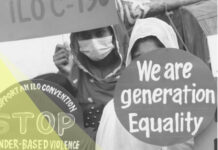
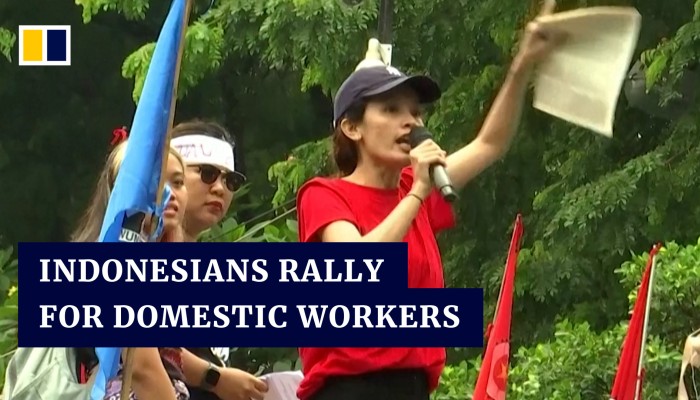
Amid systemic suppression, undeterred resistance is rising. Grassroots organizations, advocacy groups, and feminist coalitions increasingly spotlight domestic workers’ rights, lobbying for legal protections, fair wages, and social recognition. These movements articulate the dignity of domestic work and demand the dismantling of exploitative frameworks. Undocumented women themselves are at the forefront, transforming vulnerability into activism. Feminism celebrates these acts of resilience, recognizing empowerment as a multifaceted journey marked by collective struggle and individual courage. These campaigns challenge complacency, insisting that the feminist movement embrace the labor often deemed invisible.
Reimagining the Future: Toward Equity and Recognition
To envision a truly equitable future, feminism calls for radical redefinitions—not only of labor value but also of legal status and social inclusion. Granting undocumented domestic workers labor rights, pathways to citizenship, and social protections are non-negotiable steps toward justice. Moreover, society must confront deeply ingrained biases that render care work invisible and undervalued. Elevating domestic work in public consciousness can disrupt its relegation to the margins. Feminism, therefore, is not merely an ideological framework but a clarion call to reconstruct how labor, gender, and legality intertwine, crafting a society where no woman is pushed into the shadows due to her undocumented status or occupation.
Conclusion: Stirring the Political and Social Conscience
Domestic work as the occupation of last resort for undocumented women encapsulates a broader crisis of justice and human dignity. It exposes the fissures in legal systems, economic models, and feminist praxis itself. Yet, within this grim reality lies potential—a potent space for feminist intervention, transformation, and solidarity. Recognizing the labor, rights, and humanity of undocumented domestic workers demands unsettling societal narratives and dismantling entrenched inequities. Only then can the feminist promise of liberation transcend abstraction to manifest in tangible emancipation.