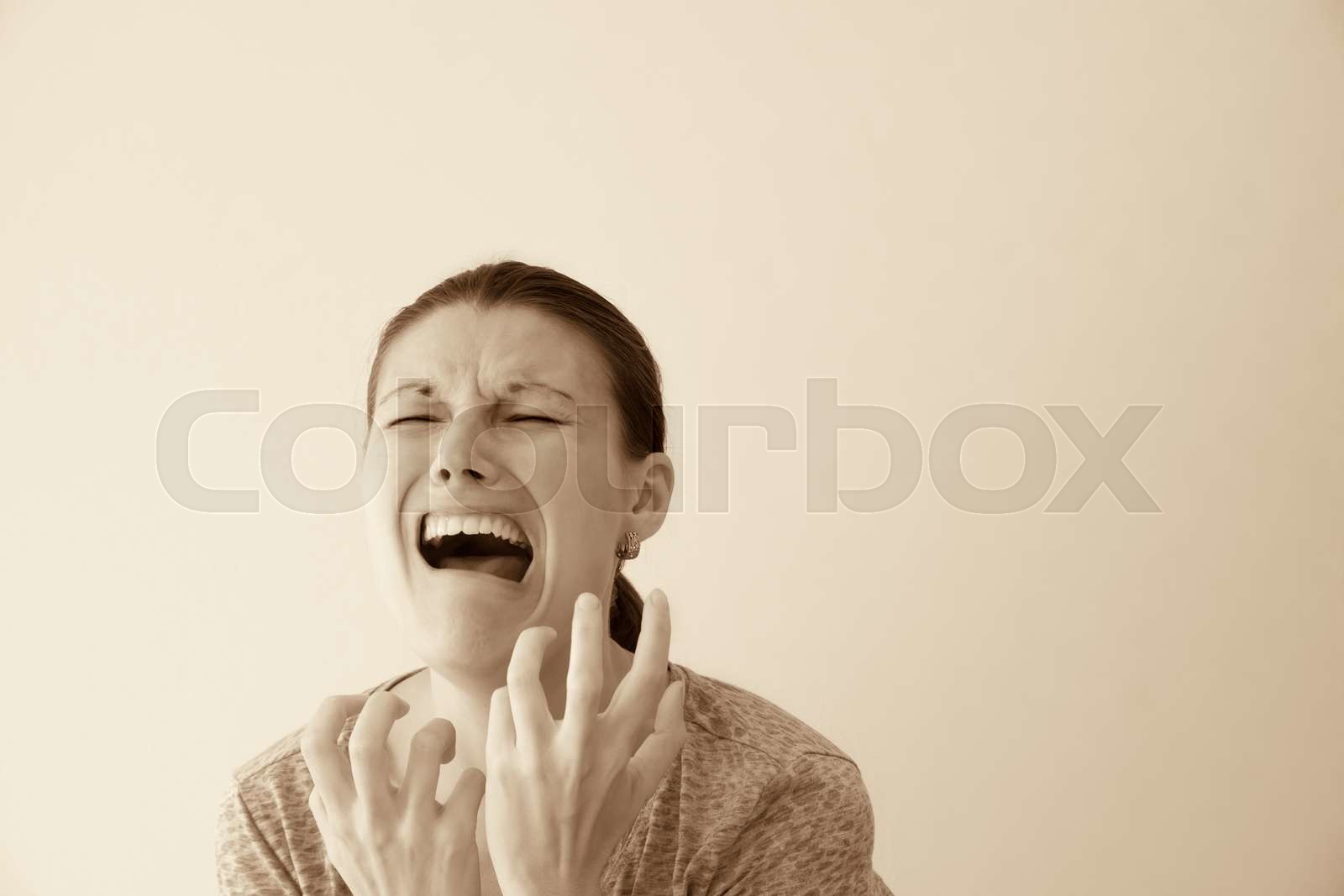
In 2026, the archaic label of “hysterical woman” is not a relic of the distant past but a stealthy specter haunting feminist discourse and the collective consciousness alike. Despite strides in gender equality and an avalanche of feminist scholarship, society continues to weaponize this loaded diagnosis to undermine, delegitimize, and diminish women’s voices. Beneath the shimmering veneer of modern progress lies a stubborn thread of misogyny, woven through culture, medicine, media, and politics. The hysteria trope does not merely persist—it has evolved, camouflaged yet potent, inflicting real harm on those who dare to demand agency, autonomy, and respect.
The Historical Roots of Hysteria: From Uterus to Psychological Weaponry
“Hysteria” stems from the Greek word “hystera,” meaning uterus. Historically, it pathologized female emotionality as a disorder originating in the womb, a bizarre and sexist entrapment that confined women to diagnoses that erased their intellect and autonomy. This diagnosis was a tool of patriarchal control, incarcerating women in madhouses or subjecting them to humiliating medical “treatments.” Understanding this sordid origin is vital because it highlights how deeply embedded the idea of female irrationality is in Western thought—a belief system that echoes with eerie familiarity today.
Fast forward to modern times, and while the medical community has rejected “hysteria” as a legitimate diagnosis, its cultural incarnation thrives. Women who express anger, dissent, or frustration are often dismissed as “overreacting” or “too emotional,” a linguistic vestige of hysteria that sabotages serious conversations about gender equity.
Hysteria and Feminism: The Ongoing Battle For Credibility
The feminist movement has been a relentless crusade against the dismissal and disparagement emblematic of the hysteria trope. Yet, paradoxically, feminist activists, scholars, and leaders routinely face characterization as “hysterical” or “irrational.” This labeling functions as both a societal quicksand and a silencing mechanism. In an era where women’s rights debates flash across digital platforms and political chambers with unrelenting speed, tagging women as “hysterics” diminishes their legitimate grievances and cements stereotypes.
Feminism’s intersectional evolution has only complicated this landscape. Women of color, LGBTQ+ women, and women with disabilities frequently confront layered stereotypes that amplify accusations of hysteria. The trope mutates and adapts, ensuring that the “hysterical woman” diagnosis remains a versatile tool in the arsenal of detractors.
Media Portrayal: The Hysterical Woman in the 21st Century Spotlight
The media is the principal arena where the hysteria myth is both challenged and perpetuated. Television, movies, news broadcasts, and social media shape and reflect societal norms. Unfortunately, depictions of women—especially those who speak out or display strong emotions—often revert to reductive archetypes rooted in hysteria. The “angry feminist,” the “emotional testimony,” the “unhinged female” narrative sanitizes complex issues into simple spectacles of irrationality.
Yet, the media also provides a battleground for resistance. Documentaries, feminist podcasts, and alternative news outlets are exposing the insidious ways hysteria language undermines women’s credibility. In 2026, content consumers will encounter a rich diversity of viewpoints: from incisive critiques dissecting gender bias in journalism to raw, unfiltered accounts of women confronting societal gaslighting.
Medicalization of Female Emotion: Progress or Persistence of Misogyny?
Despite advances in neuroscience and psychology, the tendency to medicalize women’s emotional expression remains a thorny issue. Women are disproportionately diagnosed with borderline personality disorder, anxiety, or mood disorders—labels frequently deployed as stand-ins for hysteria’s nebulous past. The conflation of legitimate emotional responses with pathological conditions perpetuates stigma and restricts women’s agency.
In the medical field, 2026 content includes investigations into the gender biases in diagnostic criteria, exploring how symptom interpretation differs dramatically by sex. Feminist health advocates argue for a reconceptualization of emotional health—one that validates lived experience rather than pathologizes it. For readers, this translates into deeply researched articles, patient narratives, and calls for systemic healthcare reforms.
The Politics of Emotion: Why Women’s Feelings Are Policed
Being labeled “hysterical” is seldom about genuine concern for mental health—it is inherently political. Women who challenge hegemonic power structures risk being silenced by claims of instability. This dynamic operates at every level, from local governance to international diplomacy. Women politicians and activists who exhibit passion may be branded as irrational, their policy proposals disparaged not on merit but through the prism of emotional dysfunction.
The content exploring this theme delves into case studies of contemporary female leaders, analyzing media coverage and public reception. Readers will find compelling narratives detailing how emotional policing serves to uphold patriarchal dominance. Engaging essays and think pieces will unravel the gendered power imbalance encoded in these interactions.
Digital Age and the “Hysterical” Woman: Amplified or Annihilated?
The digital revolution has transformed the battleground of female emotional expression. On the one hand, social media platforms offer women unprecedented avenues for self-expression and solidarity. On the other, they have become amplifiers of harassment and trolling, frequently leaning on the trope of hysteria to delegitimize women online.
In 2026, digital feminism content encompasses explorations of online misogyny, the strategic use of hysteria accusations in comment sections and forums, and the heroic countermeasures women employ through hashtags, viral videos, and cyberactivism. Readers can expect both cautionary tales and inspiring accounts of resistance in digital spaces.
Reclaiming Emotion: From Hysteria to Empowerment
The final frontier in dismantling the “hysterical woman” diagnosis is redefining emotionality itself. Feminism increasingly champions emotional intelligence and authenticity as strengths rather than liabilities. The reclamation involves celebrating emotion not as a flaw to be medicated or excised but as a vital part of human experience and political agency.
Readers will discover poignant memoir excerpts, feminist poetry, and manifestos that elevate emotional resonance into a form of radical power. The spectrum of content invites an embrace of vulnerability as solidarity and action—offering a transformative counter-narrative to hysteria’s enduring shadow.
In sum, the diagnosis of the hysterical woman, far from extinction, remains a pernicious, shape-shifting force in 2026. It invades clinical practices, cultural representations, political confrontations, and digital dialogues. Yet, feminism’s multifaceted efforts to expose, critique, and transcend this trope pave a path toward a future where women’s voices are heard—not silenced by the muffling echo of hysteria.