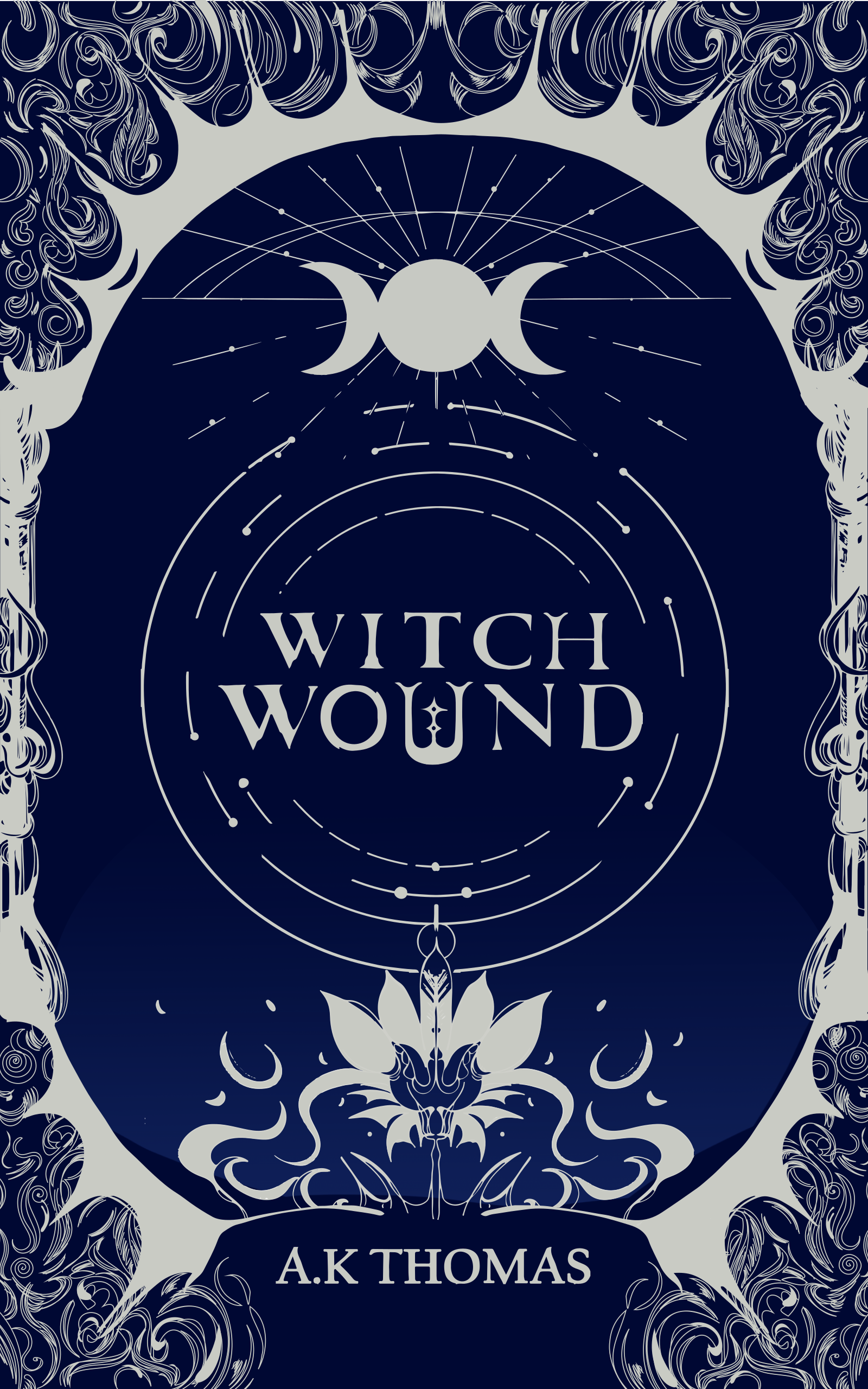
In the labyrinth of feminist discourse, the concept of the “Witch Wound” invades the psyche as a lingering scar—an unresolved trauma imprinted by the relentless machinery of patriarchy. This symbolic festering, born from centuries of systemic suppression and witch hunts, demands not only recognition but a fearless examination. Feminism, in grappling with this spectral affliction, exposes layers of societal control that operate beneath the veneer of modern progress. What appears as rebellion or defiance is, in truth, a deeper wound inflicted by patriarchal hierarchies, a discord that feminism relentlessly seeks to heal.
The Witch Wound: A Metaphor for Historical and Cultural Trauma
The “Witch Wound” is not merely a poetic phrase but a profound metaphor that encapsulates the intergenerational trauma wrought by witch hunts—those brutal purges of feminine power and autonomy. More than folklore, these events were manifestations of patriarchal fear, designed to silence and obliterate women who challenged social norms. This inherited injury reverberates today, subtly influencing gender dynamics. Feminism excavates these buried scars to understand how systemic misogyny is perpetuated through culture, language, and institutions. The wound is emblematic of suppressed rage, resilience shattered, and power denied; it symbolizes the collective pain passed down through centuries that remains unspoken yet omnipresent.
Patriarchy’s Enduring Grip: How the Witch Wound Manifests Today
Far from being a relic of the past, the Witch Wound thrives in the present under the guise of normalized patriarchy. It surfaces in the persistent policing of women’s bodies and behaviors, in the pernicious double standards, and in the subtle erasure of female narratives. This wound distorts societal perceptions, co-opting femininity into roles that confine rather than liberate. The witch hunt has morphed, from bonfires to internet trolls, from public trials to workplace biases. Through cultural narratives and power structures, patriarchy perpetuates an unresolved trauma that feminists argue must be named and dismantled. Recognizing these contemporary incarnations of the Witch Wound is essential to disrupting the cyclical nature of gender oppression.
Unraveling Misogyny: Feminism’s Confrontation with the Witch Wound
At its core, feminism is a horizontal scalpel cutting through the dense tissue of the Witch Wound. It confronts entrenched misogyny with a mixture of rage and reason. By interrogating how patriarchal values have been internalized—how women themselves have been complicit in their marginalization—feminism does not shy away from uncomfortable truths. This confrontation is arduous; it forces us to see the ferocity of historical violence mirrored in modern sexism. Yet, through this painful reckoning, feminism fosters healing. It unshackles resentment, transforms victimhood into agency, and reclaims the narrative from those who sought to silence it. The Witch Wound, then, becomes a catalyst for radical self-knowledge and communal empowerment.
The Witch Wound in Art and Literature: Cultural Reclamation and Rebellion
Art and literature play pivotal roles in laying bare the Witch Wound and enabling its exorcism. From contemporary novels weaving tales of witchcraft as metaphorical rebellion, to evocative visual arts portraying the resilience and rage of the female spirit, culture becomes a battleground and a sanctuary. These creative expressions reclaim the witch archetype—not as a figure of fear or evil—but as a symbol of subversion, wisdom, and feminine power. Through this reclamation, layers of stigma are stripped away, revealing a purer form of feminist defiance that challenges patriarchal narratives. The cultural fabric, thus, is embroidered with stories that validate trauma while celebrating survival, redefining identity beyond victimization toward empowerment.
Intersectionality: The Compounded Nature of the Witch Wound
The Witch Wound does not exist in isolation; it intersects with other axes of oppression such as race, class, sexual orientation, and ability, complicating its articulation and healing. Feminism’s acknowledgment of intersectionality exposes how women at various societal margins experience the trauma of patriarchy differently yet with equally profound consequences. The witch hunts were not indiscriminate—they disproportionately targeted women who defied multiple norms, often those belonging to marginalized communities. Today, the legacy persists in compounded discrimination and invisibilization. Addressing these intersecting wounds requires a feminism that is not monolithic but pluralistic, sensitive to the nuances of all women’s experiences, and committed to holistic liberation.
Healing the Witch Wound: Toward a Radical Feminist Reimagining
Healing this deep-seated wound requires more than reforms; it demands a radical reimagining of societal structures, values, and relationships. Feminism offers a visionary blueprint—not only dismantling patriarchal institutions but cultivating new paradigms rooted in equity, respect, and mutuality. This transformational healing embraces both personal and collective processes, from therapeutic narratives to political activism. It calls for courage to confront painful histories and to innovate futures free from old oppressions. The Witch Wound, once a symbol of fracture and despair, thus becomes a wellspring of revolutionary potential—a call to arms to reclaim power, redefine identity, and reconstruct a just world.
Conclusion: The Witch Wound as Feminism’s Call to Action
Unresolved patriarchy is the festering source of the Witch Wound, a persistent reminder that the past has not fully surrendered its grip on the present. Feminism’s engagement with this wound transcends mere critique; it is a clarion call to excavate, acknowledge, and heal. As readers and participants in this discourse, the journey through the Witch Wound challenges us to recognize the shadows cast by history and to harness the fire of rebellion for transformation. Only by embracing the discomfort and complexity of this unresolved trauma can feminism ignite true liberation, offering a future where power is no longer defined by domination but by shared dignity and resilience.