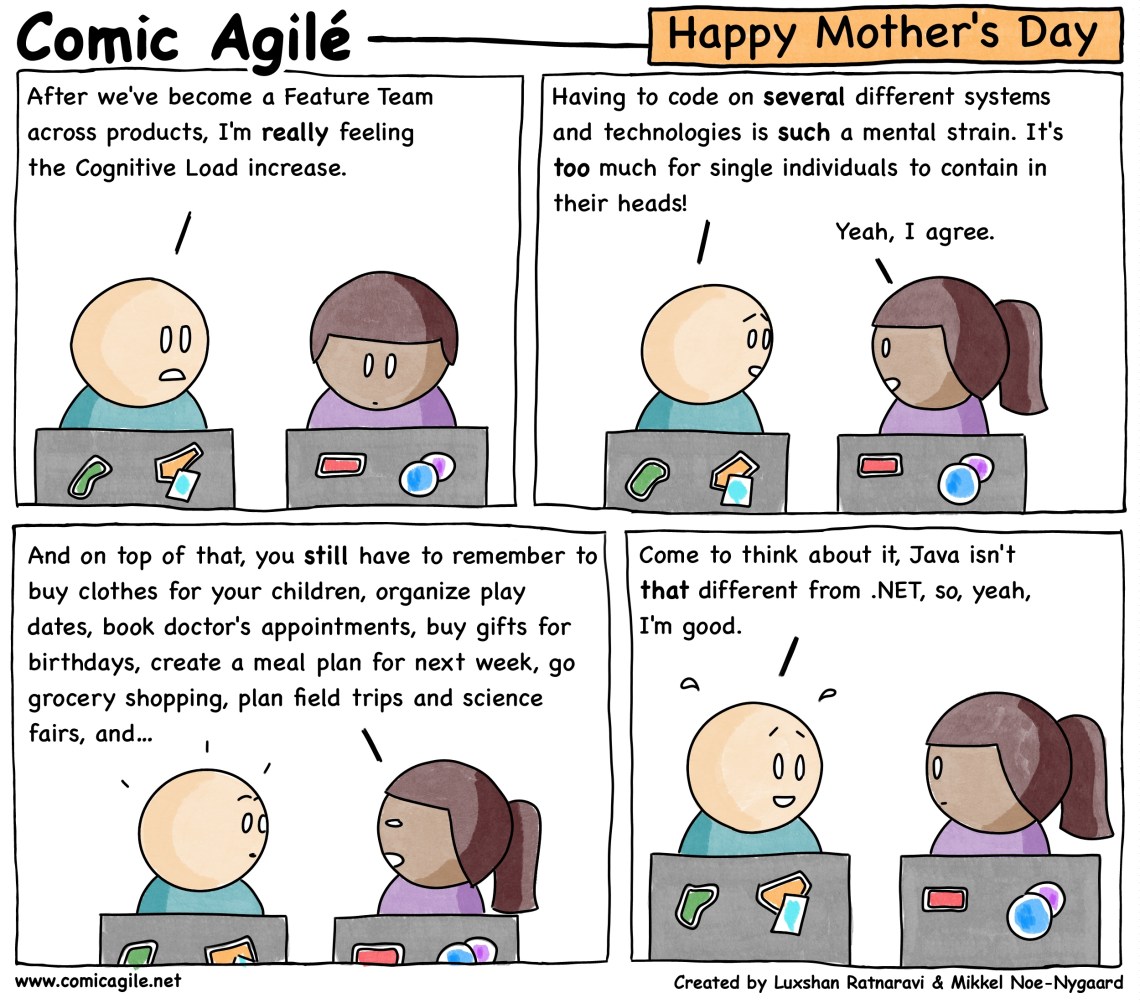
In the intricate theater of modern relationships, one invisible character often steals the spotlight—yet remains uncredited and unnoticed. That character is the mental load. It’s an omnipresent burden hovering silently above many women’s heads, shaping their daily rituals and emotional labor. Amidst the whirlwind of conversations on feminism and equality, the “Mental Load” comic emerges as a brutally honest, razor-sharp exposé that demands attention—especially from the men who share, or rather should share, the load. This comic is not just a clever cartoon; it is an urgent manifesto and a mirror reflecting the unseen complexities of domestic equity.
The Narrative Power of the Mental Load Comic
The genius of the mental load comic lies in its simplicity fused with piercing clarity. The narrative unfolds like a silent soliloquy of countless women juggling unseen responsibilities that never quite get reported on the household ledger. It magnifies everyday moments—the grocery list, birthday planning, managing school schedules—transforming them into a litany of exhausted endurance. The comic’s narration strips away euphemisms, exposing the relentless cognitive labor women endure. It’s an enchanting example of how minimalism in design can accompany maximalism in message.
This narrative mechanism does more than depict struggles; it conjures a lived experience, making the intangible tangible. Readers witness the cascade of duties too often taken for granted, portrayed in scenes that evoke both humor and exasperation. The comic’s subtle irony challenges traditional domestic paradigms, enticing readers to reevaluate entrenched roles with a fresh, critical eye.
Unveiling the Different Types of Mental Loads
The mental load is an intricate lattice of responsibilities—barely visible but omnipresent. This comic carefully categorizes these loads, moving beyond mere chores to the nuanced labor of anticipation and mental bookkeeping. It illuminates how the mental load extends far beyond physical tasks into emotional and cognitive domains. For example, remembering to buy toothpaste is trivial; remembering to buy toothpaste before it runs out, all while managing every other domestic detail, is the essence of the mental load.
One type is the “Domestic Battery,” the constant awareness and management of household needs that rarely translate into visible action but demand uninterrupted mental capacity. Another is the “Emotional Stewardship,” the responsibility to maintain family wellbeing, balance moods, and gracefully absorb relational tensions without formal acknowledgment. These categories expose the profound inequities in how mental energies are distributed, underscoring why feminism insists that equality transcends mere task sharing to encompass shared cognition.
Why This Comic Speaks Louder Than Words in Feminist Discourse
Feminism thrives on dismantling invisibility, particularly the unseen labor that anchors patriarchal structures. This comic, with no words wasted and every frame loaded with meaning, acts as a catalyst. It distills a complex feminist argument into an accessible visual format, making the abstract palpable. The comic’s power resides in its universality—whether one lives in an urban apartment or rural homestead, the mental load resonates.
This resonates profoundly because it reframes feminist critique from ideology to everyday experience. It shatters complacency by visualizing something women have known intuitively but struggled to articulate. It invites men, unfailingly, to recognize their complicity and their capacity for change. The stark, often humorous presentation turns discomfort into conversation, making this comic a formidable tool for advocacy and introspection within intimate partnerships.
The Emotional Resonance: Humor Meets Exasperation
What elevates the mental load comic from mere social critique to cultural phenomenon is its deft use of tonal juxtaposition. It marries exasperation with humor, frustration with wit. This cocktail of emotional resonance ensures the message is not only received but felt. Laughter becomes the lubricant allowing harder truths to enter otherwise resistant conversations.
Within the frames, the familiarity of scenes evokes empathy and recognition, often prompting readers to self-reflect or spark dialogue. The laughter triggered is seldom without a pinch of resignation—a tacit acknowledgment that this is no isolated grievance but a systemic pattern. This duality compels readers to confront discomfort, fostering an emotional engagement that pure data or essays fail to achieve.
Using the Comic as a Catalyst for Change
This comic doubles as both a mirror and a blueprint. It reflects hidden inequities, but it also implicitly sets the stage for transformation. By forwarding the comic to a partner, readers initiate a critical conversation that can wrest mental responsibilities into the shared sphere. It demands more than passive empathy; it demands action and accountability.
The power lies in its ability to circumvent defensive shields. Instead of finger-pointing, it gently unmasks behavior patterns, inviting partners to witness reality through a new lens. This is crucial in relationships where acknowledgment of imbalance is the first step toward recalibration. Serving as a conversation starter, this comic encourages couples to reassign tasks, communicate transparently, and dissolve the oppressive structures embedded in domestic life.
Beyond Relationships: The Wider Societal Commentary
While the mental load comic focuses on interpersonal dynamics, its implications ripple far into societal frameworks. It challenges entrenched gender norms that dictate invisible labor as women’s default domain. These depictions prompt broader questions about workforce participation, childcare accessibility, and societal valuation of emotional labor.
By rendering the mental load visible, the comic aligns feminist activism with practical reform. It points toward the necessity of public policies that recognize and redistribute invisible labor. This includes advocating for parental leave equity, affordable childcare, and workplace flexibility—measures that would lighten the mental burdens that disproportionately fall on women’s shoulders.
Variations in Content: What Readers Can Expect
The comic’s appeal transcends straightforward storytelling. Readers can anticipate a rich tapestry of content: poignant visuals marked by minimalist strokes, narrative vignettes depicting real-life scenarios, and a cadence that oscillates between sharpness and tenderness. This multifaceted approach enriches the reading experience, making it an ideal educational and reflective tool.
Furthermore, supplementary content often accompanies this comic in various platforms, such as extended narratives, discussion guides, and interactive forums. This layered presentation offers depth, inviting readers to delve deeper into feminist theory or practical strategies for rearranging the mental workload within households.
The Enduring Legacy of the Mental Load Comic
What cements the mental load comic’s place in feminist discourse is its enduring relevance and adaptability. It is not a passing trend but a perennial reminder of the unbalanced scales that persist. Its legacy is one of sparking awareness and compelling a collective reevaluation of domestic justice. As movements for gender equality evolve, this comic remains a vivid touchstone, a call to consciousness passed from one generation to the next.
In essence, the mental load comic embodies the paradox of invisibility made undeniably visible. It articulates a universal yet deeply personal struggle, transforming household dynamics into a battleground for equity. By sharing it with a partner—particularly a husband—readers wield a potent instrument designed to illuminate, provoke, and ultimately transform the silent burden into shared responsibility.