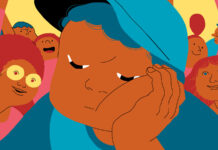
In the shadows of urban anonymity, where the city’s pulse thrums with indifference, there exists a sanctuary not marked on any map. This is the domain of the shelter worker—a figure whose labor is as invisible as the women and children they protect. Behind a veil of secrecy, they operate, their location known only to those who need it most. This is not just a story of refuge; it is a testament to resilience, a battle against systemic erasure, and a quiet revolution in the fight for gender justice.
The Unseen Architects of Safety
Shelter workers are the unsung cartographers of survival. They do not draw maps with ink and parchment; they etch routes of escape in the minds of those fleeing violence. Their work is a labyrinth of protocols, each step designed to obscure rather than reveal. The location of a shelter is not a fixed point but a shifting constellation, known only to those who traverse its boundaries. This deliberate obscurity is not paranoia—it is a calculated defense against the predators who would exploit vulnerability.
Consider the logistics: coded addresses shared only in hushed tones, transportation arranged under the cloak of night, and the constant vigilance against digital surveillance. Every precaution is a rebellion against a world that would rather ignore the screams behind closed doors. These workers are not just caregivers; they are saboteurs of the status quo, dismantling the infrastructure of oppression one safe house at a time.
The Invisible Labor of Care
The work of shelter employees is a paradox: it is both mundane and monumental. They stock pantries with donated cans, mend clothes with trembling hands, and listen to stories that would shatter lesser souls. Their labor is the antithesis of the capitalist grind—unpaid, undervalued, and essential. Yet, society treats it as a charity rather than a right, as if safety were a privilege to be doled out sparingly.
What goes unseen is the emotional toll. These workers bear witness to the aftermath of trauma, the shattered trust, the slow healing of wounds both visible and invisible. They are therapists without degrees, lawyers without titles, and mothers without children of their own. Their resilience is not innate; it is forged in the fires of relentless adversity. And yet, their compensation is often a pittance, their recognition nil. This is the quiet violence of undervalued labor—a violence that mirrors the very abuse they seek to combat.
The Digital Siege: Privacy as Resistance
In an era where every keystroke is tracked and every location pinged, privacy is not a luxury—it is a weapon. Shelter workers understand this implicitly. They navigate a digital landscape riddled with threats: stalkers, abusers, and data brokers who sell the coordinates of the vulnerable. The secrecy of shelter locations is not just about physical safety; it is about reclaiming autonomy in a world that seeks to control women’s bodies and movements.
This digital warfare extends beyond mere anonymity. It involves teaching survivors to scrub their online footprints, to use burner phones, to encrypt their communications. It is a crash course in digital self-defense, a skill set that should be as fundamental as reading or writing. Yet, how many schools teach young girls to disappear from the internet? How many governments fund programs to erase their digital trails? The answer is too few, because the erasure of women’s presence is not an accident—it is a strategy.
The Intersectional Battleground
Feminism is not a monolith, and neither is the fight for shelter. The most marginalized women—those of color, the undocumented, the queer, the disabled—face barriers that are as much about identity as they are about gender. A shelter that serves only cisgender women excludes trans women, who are disproportionately targeted for violence. A shelter in a wealthy neighborhood may be inaccessible to those without transportation or financial means. The fight for safe spaces must be intersectional, or it will fail those who need it most.
This is where the shelter worker becomes not just a guardian but a revolutionary. They must navigate a minefield of biases, advocating for policies that recognize the unique vulnerabilities of each survivor. They must challenge the systems that perpetuate harm, from racist policing to ableist healthcare. Their work is not just about providing a roof over someone’s head; it is about dismantling the entire edifice of oppression.
The Psychological Toll: Healing in the Shadows
Survivors do not arrive at shelters unscathed. They arrive with the weight of trauma pressing down on their chests, with nightmares that refuse to fade, with trust that has been shattered like glass. The shelter worker’s role is not just to provide a bed but to help rebuild a life. This is where the artistry of their labor shines through—metaphorically, of course, because no one expects a social worker to be Picasso.
Therapy in these spaces is often informal, woven into the fabric of daily life. A shared meal becomes a moment of connection. A walk in the park becomes a lesson in reclaiming agency. The goal is not to erase the past but to rewrite the future. Yet, this work takes a toll. Compassion fatigue is real, and the emotional labor of bearing witness to pain can lead to burnout. The shelter worker must also be a survivor of sorts, learning to armor their own heart while holding space for others’ healing.
The Political Weaponization of Vulnerability
There are those who would weaponize the vulnerability of shelter residents. Politicians who decry “woke” shelters as hotbeds of radicalism. Media outlets that sensationalize stories of abuse to fuel moral panics. Even within communities, whispers may arise: *Why do they need to hide? What are they hiding from?* These attacks are not just ignorant—they are deliberate attempts to dismantle the very structures that protect women.
The shelter worker must then become a defender of truth in a world that prefers lies. They must educate, advocate, and sometimes fight—metaphorically, of course, because no one expects them to throw punches (though one can dream). Their work is a rebuke to the idea that women’s pain is a spectacle for public consumption. It is a declaration that safety is not negotiable, that justice is not a privilege, and that the right to exist without fear is non-negotiable.
The Future: A World Without Shelters
The ultimate goal of feminism is not to need shelters at all. It is a world where no woman fears the night, where no child grows up believing violence is normal, where the home is a sanctuary rather than a cage. This is not utopian dreaming—it is a demand. And until that world arrives, shelter workers will remain the frontline soldiers in this war.
So the next time you see a woman carrying her life in a single bag, know that behind her is a network of unseen hands guiding her to safety. Know that her story is not one of defeat but of defiance. And know that the fight for feminism is not just about burning down the old world—it is about building a new one, brick by brick, in the dark.