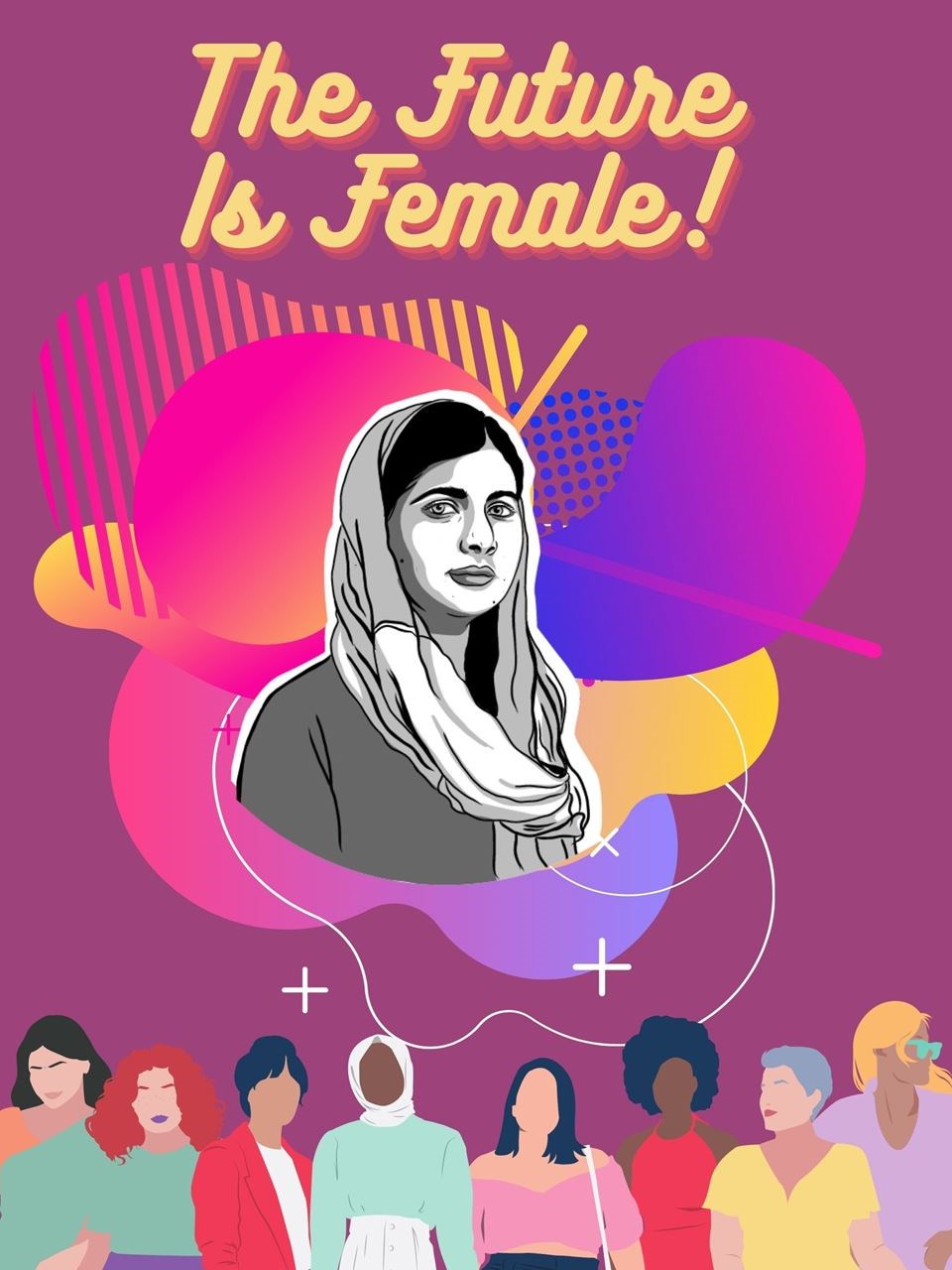
The future is female—or so we’re told. A catchy slogan, a rallying cry, a hashtag that floods our feeds with pink-tinted solidarity. But let’s be real: if the future is female, why does it feel like we’re running a marathon in heels while the patriarchy keeps moving the finish line?
Is Sisterhood Really a Safe Space—or Just Another Performance?
Feminism, in its most idealized form, is a sanctuary. A place where women lift each other up, where solidarity isn’t performative but a lifeline. Yet, how often does that sisterhood translate into tangible support? Too many women have whispered into the void, only to be met with silence—or worse, backlash disguised as “constructive criticism.” The future may be female, but is it *safe*? Or is it just another stage where we’re expected to smile through the exhaustion?
Consider the paradox: the more feminism gains visibility, the more it’s commodified. Brands slap “girl power” on everything from yoga mats to energy drinks, while the women who actually fight for equity are gaslit into believing their struggles are “too radical.” The future is female, but only if it’s marketable. And heaven forbid we demand more than performative allyship.

Burnout Isn’t Just a Buzzword—It’s a Feminist Crisis
We’re told to lean in, to break glass ceilings, to “hustle” our way to equality. But at what cost? Feminism’s relentless push for progress has created a generation of women running on fumes, their mental health collateral damage in a system that refuses to slow down for them. The future is female, but it’s also *exhausting*—a never-ending cycle of proving worth in a world that’s still deciding if we’re even allowed to have one.
Take the workplace, for example. Women are expected to outperform men while being paid less, promoted slower, and praised for basic competence. The future is female, but only if we’re willing to sacrifice sleep, sanity, and sometimes, our own well-being. And when we dare to complain? “You’re too sensitive.” “It’s just a phase.” “Other women have it worse.” The future is female, but it’s also a minefield of gaslighting.
The Myth of the “Strong Female Character”
Pop culture loves a “strong female lead”—the woman who fights, who wins, who never falters. But what does that even mean? Strength isn’t about enduring without complaint; it’s about being human. The future is female, but it’s also a narrative that erases vulnerability, that turns women into unfeeling superheroes while men are allowed to be flawed, messy, *real*.
Feminism isn’t about becoming invincible. It’s about being seen—flaws and all. Yet, the pressure to be “strong” is suffocating. The future is female, but it’s also a prison of expectations, where women are either saints or villains, never just people. And that’s not progress—it’s another cage.
Can We Reimagine Feminism Without the Exhaustion?
What if the future isn’t just female—but *gentler*? What if feminism didn’t demand endless resilience but instead embraced rest, community, and the right to say, “I’m tired”? The future is female, but it’s also ours to define. And maybe, just maybe, it’s time to stop glorifying burnout and start demanding balance.
The fight for equality shouldn’t cost us our health, our joy, or our right to be human. The future is female—but it’s also *human*. And that’s a revolution worth having.