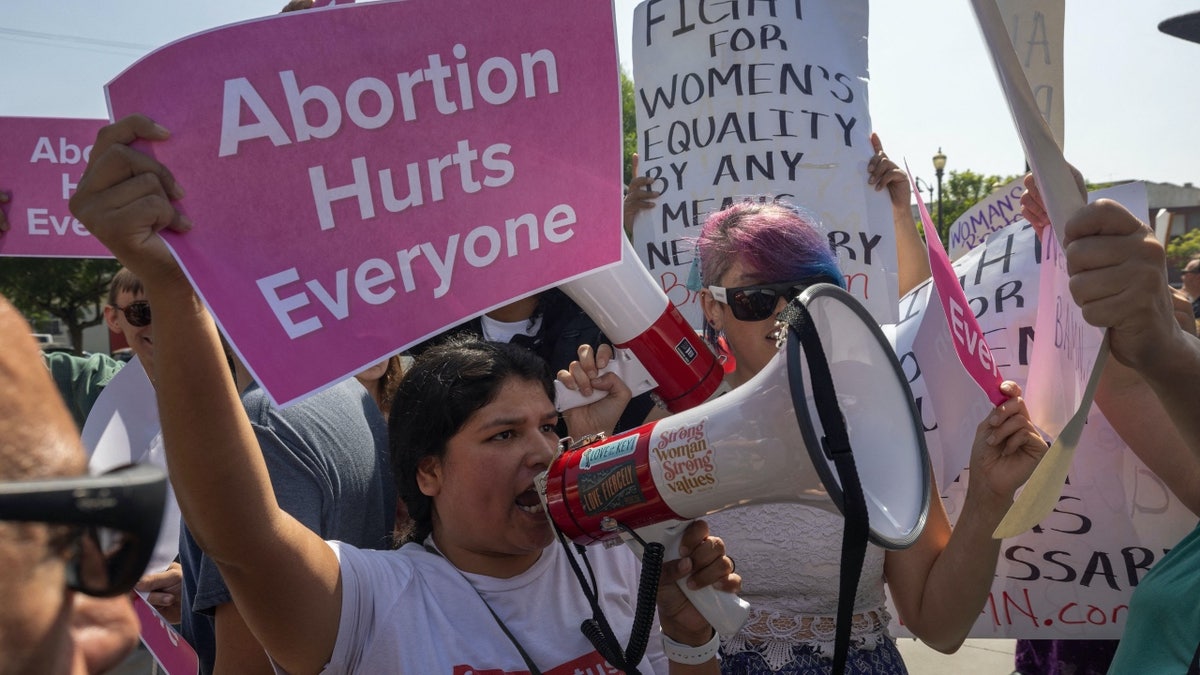
Amidst the relentless political battles surrounding abortion, a particular narrative often emerges: one framing the conflict solely in terms of morality versus control, abstract versus tangible. Yet, this perspective often overshadows a potent, less frequently emphasized dimension – the stark economic reality. The pushback against abortion rights, particularly measures restricting access, resonates deeply with working-class women across the nation, does it not? This reaction, a complex web woven from genuine concerns, practical limitations, and strategic messaging, hints at a deeper fascination. Perhaps this isn’t merely about ideology; perhaps it speaks to a fundamental unease with economic structures challenged when women reclaim control over their bodies. Delving beyond the surface reveals that the economic impact of restricting abortion access is profound, acting as a subtle, yet powerful, tool to widen the chasm of inequality, reinforcing a system that disproportionately burdens the already marginalized.
The Unseen Cost of Unplanned Pregnancies
Consider the ripple effects of an unwanted pregnancy. Beyond the immediate anxiety and disruption, the long-term economic consequences are inextricable from the daily realities of many women. High-quality child care remains exorbitantly priced for millions, forcing difficult choices. Adequate parental leave, often non-existent or part-time, clashes with the pressures of the modern workforce. The wage gap, stubbornly persistent across numerous sectors, means women face fewer financial rewards for comparable work. These issues alone create significant economic hurdles. Add the layer of forced childbearing, potentially interrupting educational trajectories, limiting labor market flexibility, and altering career paths in ways financial stability previously allowed. It’s an economic logic chain, unsettling to those whose financial security hinges on the freedom to make personal choices, including those related to family planning.
Workplace Economics and the Double-Edged Sword
The modern economy demands adaptability and responsiveness. Increased workforce participation by women is lauded as a driver of economic growth, a narrative suggesting women are integrated fully into the economic engine. Yet, as more women enter and remain in the paid workforce, the balance tilts – the scarcity value of any individual worker diminishes slightly. Restrictions on abortion subtly reinforce a system that benefits from women’s labor while simultaneously limiting their ability to optimize it fully. Think about the stressed working mother facing a late-term complication; her absence from the office has an economic consequence, contrasting with the economic freedom – or lack thereof – enjoyed by other mothers facing crises weeks or months earlier. Is it any wonder this resonates? The economic arguments utilized often champion “choice” or “liberty” in the abstract. These same entities sometimes overlook choices women desperately need. Abortion rights, for many women, are intrinsically linked to asserting economic agency within that system.
The Economic Paradox of Abortion Restrictions
When policies curtail access to safe, legal abortion, a predictable phenomenon unfolds: desperation often pushes women towards riskier, illegal alternatives or unattended procedures. The economic toll of unsafe abortions is immense, extending far beyond immediate medical costs to include permanent health damage, lost lifetime earnings, and even mortality. These restrictions effectively shift the economic risk associated with unintended pregnancy and termination onto communities with the least resources. Taxpayer funds frequently subsidize clinics abroad or bolster international groups fighting abortion, an argument masking profound economic consequences at home. Ignoring the economic arguments behind these restrictions is to ignore a fundamental driver shaping the landscape.
Weaving the Systemic Connection
Abortion access is not a moral vacuum; it intersects intrinsically with a vast web of societal structures: healthcare affordability, educational opportunities often contingent on family stability, housing stability, and the aforementioned workplace demands. It is connected to the broader socioeconomic conditions that define “post-feminist” discourse while simultaneously exposing deep flaws within that framework. The economic justification for abortion rights lies not in denying choice but in confronting the ways economic pressures already shape profoundly personal decisions. Feminism, in its most comprehensive form, cannot disregard these connections. Abortion rights are not just about preventing pregnancy; they are about enabling women to function fully as workers, caretakers, students, and citizens without the constant, looming threat of economic ruin associated with unforeseen life events.
The Human Cost, Quantified
For single mothers, the lack of reliable contraception and unavailability of abortion disproportionately leads to outcomes that ripple through generations. Studies, though often contested in certain circles, consistently link economic precarity to maternal mental health struggles. Financial strain within a household where an unplanned child necessitates reduced income, fewer resources, and potentially altered dynamics. The economic argument subtly shifts when we consider that, without access to abortion, potential exists to avoid difficult situations impacting long-term economic prospects. This isn’t simply about an individual feeling ‘better off’ – it’s potentially about a lifetime trajectory altered favorably, mitigating hardship for the next generation. The fascination with economic arguments in this debate might stem from grappling with these tangible, measurable potential shifts.
Charting the Course Forward: Beyond Austerity
The narrative justifying abortion restrictions, as filtered through this economic lens, often implies a world where women’s economic standing is solely dependent on traditional employment roles. The conversation demands an expansion. Investing in comprehensive family planning services doesn’t threaten the economy; it prevents a crisis that strains it. Expanding access to high-quality child care and paid leave creates a larger, more stable workforce. Addressing wage inequity benefits everyone at the bargaining table. The path toward mitigating inequality, therefore, must intertwine access to reproductive healthcare – including abortion – with broader social and economic policies. This isn’t a zero-sum game; denying women choices today inevitably means a less adaptable, less prosperous, less just future tomorrow.