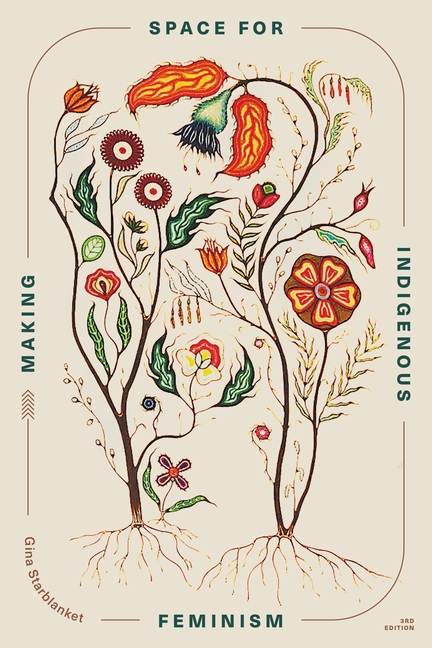
What might happen if we dared to reimagine feminism through the eyes of those who have been its silent architects for centuries—the Indigenous grandmothers? Could the subversion of dominant feminist narratives through their ancient wisdom unlock a new paradigm of empowerment, healing, and resurgence? Indigenous feminism, with its profound reverence for ancestral knowledge and cyclical worldviews, challenges the simplistic linearity of mainstream feminist discourse, inviting us into a labyrinth of complexity and resilience.
Unraveling the Fabric of Indigenous Feminism
Indigenous feminism is not a mere offshoot of global feminism; it is a fiercely independent tapestry woven from the threads of culture, spirituality, and intergenerational memory. It demands more than acknowledgment—it insists on a paradigm shift that dissolves the colonial binaries of oppressor and victim, gender and nature, public and private. At its core, Indigenous feminism interrogates the imposed patriarchal frameworks that have historically marginalized Indigenous voices and ways of knowing. But more than critique, it embodies a vibrant resurgence of sovereignty—over bodies, lands, and spirits.
The Grandmothers: Custodians of Ancestral Wisdom
In Indigenous communities, grandmothers are not just elders; they are walking libraries, spiritual anchors, and living embodiments of resilience. Their wisdom transcends the spoken word, transmitted through ceremony, storytelling, and ritual. They model a relational feminism—one that prioritizes the health of the collective over individualistic attainment. Their counsel reminds us that the feminist struggle is inseparable from the fight for land, language, and cultural survival. To listen deeply to the grandmothers is to reclaim a feminism that respects the earth as a sister and the future as a sacred responsibility.
Challenging Western Feminist Hegemony
Western feminism, often critiqued for its universalizing tendencies, risks erasing the unique experiences of Indigenous women by imposing homogenized ideals. Indigenous feminism provocatively exposes this hegemonic tendency by foregrounding intersectionality long before the term entered academic parlance. It contends with the violence of colonialism that manifests not only in physical oppression but also in the erasure of identity and epistemology. This challenge is not merely academic—it is a call to action to dismantle systems that continue to perpetuate inequity under the guise of gender justice.
Interconnection: The Web That Sustains Feminist Resistance
Unlike individualistic feminist models that prioritize personal liberation, Indigenous feminism is anchored deeply in interconnection—between people, the environment, and the metaphysical realms. This worldview frames oppression as systemic and cyclical; thus, healing requires holistic approaches. Ceremony, communal decision-making, and reclamation of traditional roles become radical acts of resistance. Through this lens, feminist activism is intertwined with environmental stewardship and cultural revitalization, uniting disparate struggles into an unbreakable web.
Reclaiming Language and Storytelling as Feminist Acts
Oral traditions and Indigenous languages are not relics of the past; they are vibrant vessels of feminist knowledge and power. The grandmothers’ stories reveal coded wisdom about gender roles, leadership, and resilience, often subverting colonial narratives of passivity and victimhood. Reclaiming these narratives is a subversive feminist tactic, restoring agency to Indigenous women and re-centering their perspectives in history. Language revitalization projects and intergenerational storytelling circles serve as battlegrounds for feminist sovereignty, merging cultural survival with political autonomy.
Integrating Spirituality: Feminism Beyond the Material
Indigenous feminism challenges the secular materialism of mainstream feminist discourse by integrating spirituality as a vital source of strength and guidance. The spiritual dimension validates the sacredness of femininity and the earth, emphasizing harmony and balance rather than domination and competition. This integration complicates feminist praxis, demanding that activists honor ritual, ancestral connections, and the invisible energies that sustain life. It asks us to reconsider what constitutes power, situating it within reciprocal relationships rather than hierarchical structures.
Healing as Resistance: From Trauma to Triumph
Embedded within Indigenous feminism is an unflinching embrace of communal healing as a form of resistance. Centuries of colonization have inflicted intergenerational trauma on Indigenous women, yet the grandmothers illuminate paths toward restoration and resilience. Healing circles, traditional medicines, and shared mourning are not mere remedies but radical acts reclaiming sovereignty over bodies and minds. This focus on healing reframes feminist struggle as an ongoing process of regeneration, demanding patience, and deep commitment to collective wellbeing.
Contemporary Challenges and the Road Forward
The question remains: how can Indigenous feminism maintain its radical edge while navigating the complexities of modern political landscapes? The tension between cultural preservation and adaptation continues to provoke challenging dialogues. Moreover, the infiltration of capitalist and neoliberal frameworks threatens to dilute the potency of Indigenous feminist values. Yet the wisdom of the grandmothers offers a roadmap—one that honors tradition without fossilizing it, encouraging innovation through grounded ancestral knowledge. The path forward is neither linear nor easy but holds promise for a feminism truly transformative and inclusive.
Conclusion: A Feminism Rooted in Reverence and Revolution
To engage with Indigenous feminism is to enter a dance between reverence for the past and a fierce commitment to future possibilities. It is to understand feminism not merely as a political movement but as a spiritual, cultural, and ecological resurgence—one led by the enduring presence and wisdom of grandmothers. Perhaps the greatest challenge lies in unlearning and then relearning what feminism can be when stripped of its colonial trappings. Will we answer their call? Will we make space for Indigenous feminism to guide us into realms of empowerment that transcend the visible struggle? The invitation is open, and the time to act is now.