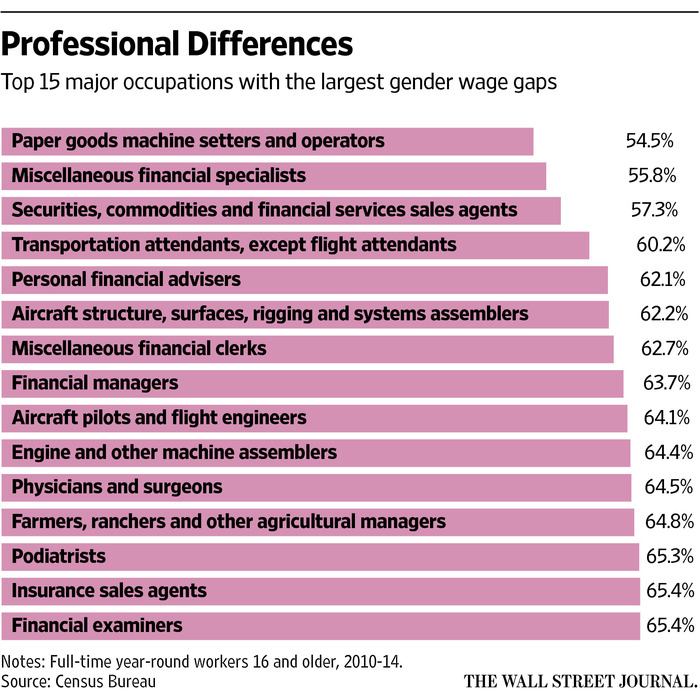
The image in your mind is likely one of polished professionals, sharp suits, conference rooms filled with ambition. This is the world of the C-suite executive, the surgeon performing life-altering procedures, the partner at a prestigious firm negotiating deals worth millions – the realm we often equate with top-tier success, high-income earners, and elite professions. And yet, here lies a stark and persistent paradox: the very traits – exceptional competence, strategic negotiation prowess, sheer force of will – that are supposed to propel individuals to these summit positions, often seem to exact a heavier toll on women. The gender pay gap persists not merely at the bottom rungs of corporate ladders, but at the boardroom tables and highest earning brackets, painting a complex, often uncomfortable picture of progress versus reality.
The Paradox of Meritocracy
If we truly inhabit a meritocracy, where the highest earners are simply the most capable and driven, one would expect to see near parity at the peaks. Yet, reality, often measured through executive pay packages, specific bonuses tied to high-performance roles, and specialized fields like venture capital or top-tier consulting, starkly reveals a chasm. It’s easy to chalk this up to differences in career choices, suggesting women opt for less lucrative paths. But let’s pause and dissect that notion. Are women *inherently* selecting careers with lower ceilings, or is the funneling into certain lucrative sectors itself influenced by subtle, pervasive forces? The distribution of top earners remains lopsided, raising uncomfortable questions about whether the selection process itself is biased, conscious or not.
Negotiation & The Art of Securing Value
We cannot ignore the powerful dynamic of negotiation. Salary discussions, performance reviews, and especially high-stakes compensation packages are arenas where the skill to articulate value, assert demands confidently, and project authority is paramount. This realm appears particularly challenging for women, even when they are proving their worth on the job. The subtle ways feedback is delivered differs; the imposter syndrome (a phenomenon where many high-achieving women doubt their own accomplishments) can creep in despite external proof; and the pressure to maintain social harmony over direct confrontation creates unique hurdles. Can we quantify the impact of these non-cognitive skills on the bottom line number at the top tier? Perhaps the ability to command a premium in negotiations, honed perhaps through earlier life experiences or shaped by societal expectations, is not evenly distributed among the elite.

Culture Shock: The Male Network Effect
Elite environments, while seemingly merit-based, are often dominated by a specific cultural and relational dynamic. Think of the informal networks, the water cooler chats that lead to project assignments perceived as high-status, the mentorship circles that offer crucial career guidance. These operate on nuances, shared humour, and unspoken understandings that can alienate those who don’t fit the prevailing paradigm. The phrase “boys’ club” might sound cliché, but research continues to explore whether these environments, focused on certain types of collaboration or viewing ‘winning’ through competition, inadvertently disadvantage women who operate differently. The data points towards women being systematically shuttled into lower-paying, female-dominated roles or overlooked for promotion, but the question remains: does the *culture* itself actively depress earnings at the highest levels?
The Backfire Effect: Ambitious Women vs. Success Narratives
This is where it gets particularly intricate. A significant factor hindering progress is what some researchers term the “backfire effect.” When faced with evidence challenging traditional stereotypes (like women potentially earning less), some individuals, including highly educated and high-achieving women themselves, can paradoxically become defensive. Instead of accepting the disparity as systemic bias, there’s a tendency to search for individualized explanations – perhaps they aren’t aggressive enough, perhaps their career choices (motherhood, ‘flexible’ roles like education) are the *real* reasons. This internalized bias prevents collective problem-solving and reinforces the status quo, even when the data points to external factors. It’s a subtle yet powerful barrier to true equality at the summit.
Pay Transparency: The Double-Edged Sword
Proposals to mandate greater pay transparency, requiring companies to disclose executive compensation or ensure internal pay equity, are controversial but potentially powerful tools. The hope is that making pay data visible will expose hidden biases and encourage fairer negotiations. However, challenges loom large: how to define comparable roles fairly, how to handle sensitive boardroom dynamics where figures dictate pay without scrutiny, and how to differentiate salary genuinely based on objective factors versus the shadow of gender. Yet, transparency also empowers women to understand where the gaps truly lie, fostering collective action where individual efforts might have previously failed.
Culture Shock Revisited: Flexibility Penalty
The expectation of total commitment, 24/7 availability, is another pernicketious factor. Men at the top often benefit from networks that support work demands or implicitly accept less availability. As more women integrate ambitious careers with family responsibilities, a ‘flexibility penalty’ may be at play – top female performers might face assumptions that impede their potential or commitment, affecting opportunities for high-reward, high-flexibility projects or leadership roles. The intersection of work intensity demands and societal expectations about family life creates an environment where women must constantly justify their capacity, unlike their male counterparts.
The Intersection of Identity
Feminism, in its contemporary iteration, is grappling with nuance. The experience of the gender gap in high-income fields isn’t monolithic. A female CEO of a multinational tech firm faces different pressures than a tenured female professor at an Ivy League university or a partner in a boutique law firm specializing in M&A. The interplay of race, ethnicity, sexual orientation, disability, and socioeconomic background alters the landscape profoundly. A white woman might navigate a different set of obstacles than a woman of colour, and an LGBTQ+ woman might face unique workplace challenges. Understanding the specific intersection requires moving beyond simplistic binary narratives.
Charting the Course Forward
The gender gap at the top isn’t easily dismissed as a myth or a simple matter of women ‘choosing’ differently. It signals a deeper, systemic problem: the intersection of workplace culture, unconscious bias, negotiation asymmetry, and societal pressures creates bottlenecks even for the most qualified women. True progress requires more than token gestures; it demands deliberate interventions in hiring, promotion, and compensation; fostering environments where collaborative strength trumps individual hyper-competitiveness; challenging the very narratives that permit bias to fester; and ensuring that the voices of those at the summit are heard, not just in their fields, but in shaping the future of work itself.