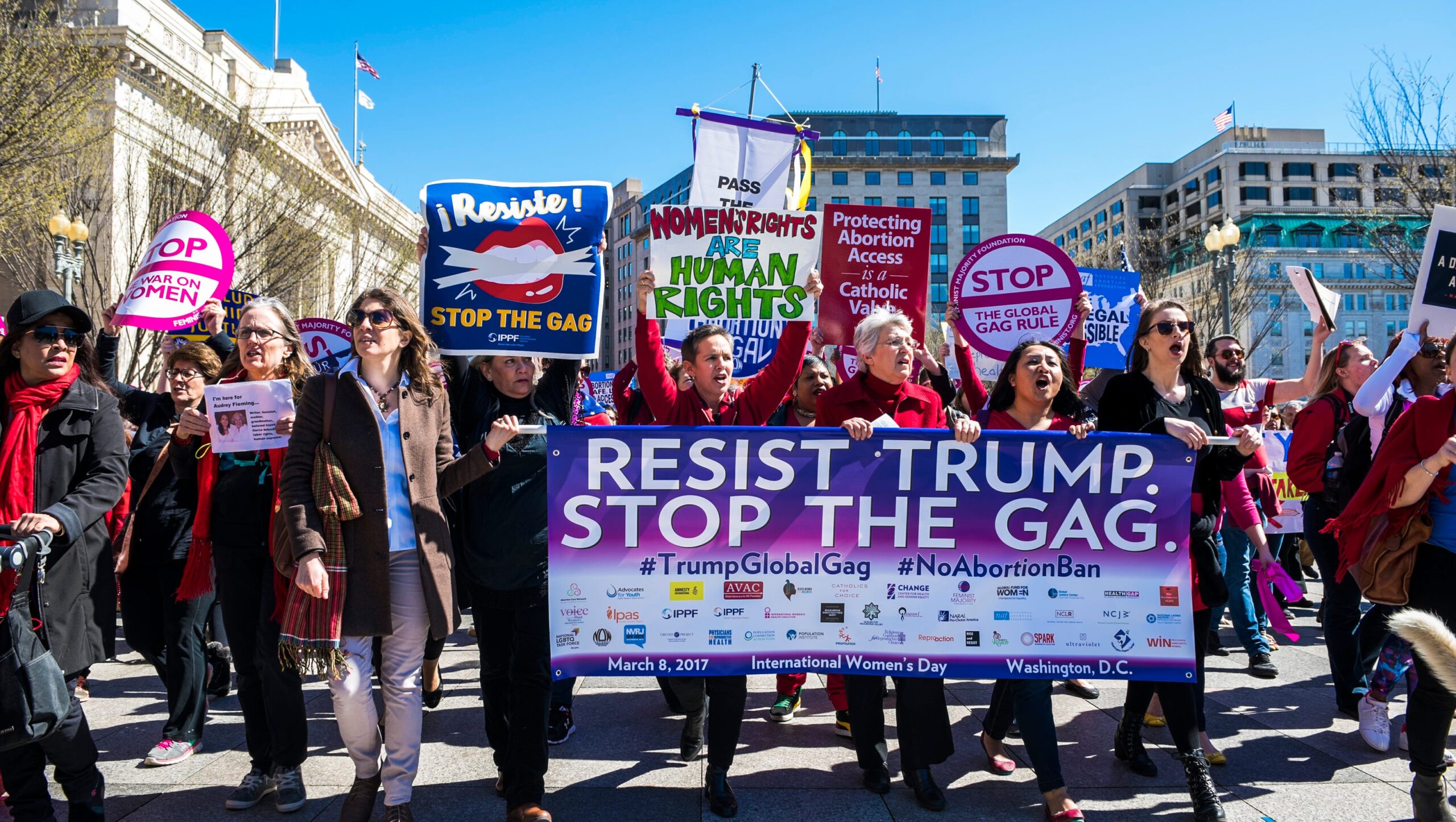
The global feminist movement has always been a symphony of voices—sometimes a whisper, sometimes a roar—but never silent. On March 8th, 2017, the world witnessed a crescendo: A Day Without a Woman. Not just another protest. Not just another hashtag. It was a seismic shift, a collective refusal to be invisible, to be undervalued, to be absent from the ledgers of power. This wasn’t just a strike. It was a mirror held up to society, forcing it to confront the invisible scaffolding of women’s labor—paid and unpaid—that holds the world upright. And when that scaffolding trembles, the entire structure groans. That groan? That was the sound of policy beginning to crack open.
The Strike as a Mirror: Reflecting the Invisible Labor of Women
Imagine a world where the sun rises, but no one cooks breakfast. Where children are dressed, but no one stitches their clothes. Where offices hum with activity, but no one answers the phones or types the emails. That world doesn’t exist—because women do. The brilliance of A Day Without a Woman was not in its disruption, but in its revelation. By calling for women to abstain from paid and unpaid labor, the strike didn’t just halt the economy—it laid bare the truth: women’s work is the invisible engine of civilization.
This wasn’t a protest against work. It was a protest against the erasure of work. The strike forced a reckoning: if women vanished for a day, what collapses? Schools close. Hospitals strain. Homes fall into disarray. The answer wasn’t just economic—it was existential. It exposed the myth of the “natural” role of women, the idea that care, nurturing, and emotional labor are innate rather than cultivated, necessary rather than valued. When that myth shattered, the foundation of policy—built on the assumption of women’s perpetual availability—began to tremble.

The Ripple Effect: How a Single Day Reshaped Policy Discourse
Policy doesn’t change in a vacuum. It changes when the ground shifts beneath it. A Day Without a Woman didn’t just shift the ground—it cracked it. Within weeks, local governments began to take notice. Cities like New York and Chicago passed resolutions recognizing the economic impact of women’s unpaid labor. The strike didn’t just demand policy change; it created the conditions for it. By making the invisible visible, it gave policymakers no choice but to acknowledge a reality they had long ignored.
Consider the ripple effect: when women’s absence from the workforce was felt in real time, the conversation around paid family leave, childcare subsidies, and workplace protections gained urgency. The strike didn’t just amplify existing demands—it forged new ones. It wasn’t enough to say, “Women deserve equal pay.” The strike demanded, “What happens when they’re not there to do the work that keeps society running?” This wasn’t just a feminist issue. It was a human issue. And once the conversation expanded, policy followed.
The Corporate Conundrum: When Capitalism Meets Feminist Disruption
Corporations are the temples of modern capitalism—rational, efficient, profit-driven. But A Day Without a Woman exposed a glaring contradiction: these temples are built on the backs of women. When women struck, companies panicked. Not because they feared a loss of revenue, but because they feared a loss of control. The strike wasn’t just a protest. It was a stress test for a system that relies on women’s labor while undervaluing it.
In response, some corporations scrambled to offer symbolic gestures—discounts for women, temporary policy changes. But the truly progressive ones? They began to confront the rot at the core of their operations. Companies like Patagonia and Google extended paid leave policies, recognizing that women’s labor wasn’t just a cost—it was an investment. The strike didn’t just force corporations to act. It forced them to rethink their entire relationship with women’s work. And that rethinking? It led to policy changes that outlasted the strike itself.
The Political Paradox: When Feminism Becomes a Bipartisan Concern
Feminism has always been a political lightning rod. But A Day Without a Woman transcended the usual divides. It wasn’t just a leftist rallying cry. It was a human one. When women’s absence from the workforce disrupted local economies, even conservative lawmakers had to take notice. The strike didn’t just challenge the status quo—it exposed its fragility.
In states like Virginia and California, bipartisan coalitions emerged to address the economic impact of women’s unpaid labor. The strike didn’t just push progressive policies forward—it created space for unlikely alliances. When the economic cost of undervaluing women became impossible to ignore, even skeptics had to ask: What happens when half the population is systematically excluded from the benefits of their own labor? The answer wasn’t just a feminist one. It was an economic one. And once that question was asked, policy change became inevitable.
The Long Game: How a Single Day Changed the Policy Landscape Forever
The legacy of A Day Without a Woman isn’t in the headlines it generated. It’s in the policies it inspired. The strike didn’t just demand change—it created the conditions for it. By making the invisible visible, it forced society to confront a truth it had long ignored: women’s labor is the foundation of civilization. And when that foundation is shaken, the entire structure must adapt.
Today, the echoes of that strike can be heard in every paid family leave policy, every childcare subsidy, every workplace protection for women. It didn’t just change the conversation. It changed the calculus. The strike wasn’t just a protest. It was a revolution—a quiet, persistent one that reshaped the policy landscape from the ground up. And the most radical thing about it? It proved that change doesn’t always come with a bang. Sometimes, it comes with a whisper. But that whisper? It’s the sound of a world finally waking up.