What if the very air we breathe at work—perfumed, conditioned, and regulated—harbored unseen battlegrounds for gender equality? Feminism has long grappled with overt inequalities, wage gaps, and glass ceilings, but could something as subtle as scent policies and the insidious effects of Sick Building Syndrome be shaping women’s health and agency in professional spaces? This question challenges us to dissect the invisible architecture of workplace environments that disproportionately affect women, revealing a nexus of bodily autonomy, environmental justice, and feminist advocacy.
The Invisible Enemy: Understanding Sick Building Syndrome
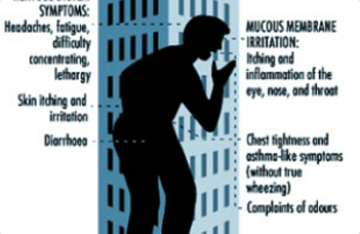
Imagine stepping into your office each morning and feeling a creeping fatigue, unexplained headaches, or persistent respiratory discomfort that no one can quite explain or diagnose. This is the essence of Sick Building Syndrome (SBS), a nebulous yet tangible malaise arising from poorly ventilated, chemically laden, and stress-inducing indoor environments. Women, often bearing the brunt of these conditions, experience SBS symptoms more acutely due to physiological differences, heightened chemical sensitivities, and their predominant roles in certain industries and office spaces.
The labyrinthine design of modern workspaces typically emphasizes efficiency over well-being, overlooking how airborne toxins like formaldehyde, volatile organic compounds (VOCs), and mold spores silently erode health. Far from a neutral affliction, SBS unveils how gendered intersections of biology and workplace hierarchies create an uneven terrain where women’s well-being is marginalized or dismissed. As symptoms wax and wane without clear diagnosis, women may find their experiences invalidated, compounding systemic inequities.
Scent Policies: The Fragrance Fetish in Professional Spaces
Now, layer in scent policies, those often unspoken but rigorously enforced diktats about what aromas are ‘appropriate’ in the workplace. These rules—whether outright bans on perfumes or quietly imposed expectations to maintain a certain olfactory neutrality—are laden with patriarchal undertones. Why? Because scent, a deeply personal and gendered form of expression, becomes weaponized as a behavioral control mechanism.
Women have historically been policed in how they present themselves, especially through smell—a tool both of allure and agency. Scent policies often undermine this autonomy, dictating not only what bodily presentation is acceptable but also often holding women accountable for others’ allergies or sensitivities, relegating them to a realm of constant self-surveillance. The delicate dance between personal freedom and collective comfort thus mutates into a cage, disproportionately restraining women.
Intersecting Vulnerabilities: How Feminism Confronts Environmental Health Bias
Feminism’s quest for equality transcends salary disparities and extends into the bodily sovereignty of women at work. The confluence of Sick Building Syndrome and scent policies highlights an environmental health bias that frequently goes unnoticed. Women’s symptoms are often trivialized as hysteria or psychosomatic, perpetuating a dismissive culture that undermines legitimate health concerns.
This dismissal echoes historical patterns where women’s pain and discomfort are minimized, further disenfranchising them in professional domains. To effectively challenge this, feminism must evolve to encompass environmental justice, advocating for safer, inclusive, and more responsive workplace designs that honor the nuanced needs of all genders.
Redesigning Workspaces: Advocating for Feminist Environmental Ergonomics
Does feminism have a blueprint for confronting these invisible adversaries? Absolutely. It requires calling upon architects, policy makers, and organizational leaders to reconsider the sensory and environmental frameworks of workplaces. Feminist environmental ergonomics champions designs that optimize air quality, reduce chemical hazards, and respect diverse sensory experiences.
Such reforms might include better ventilation standards, allergy-friendly cleaning protocols, and inclusive scent policies that neither silence personal expression nor endanger health. Implementing flexible work environments—allowing alternatives like remote work or staggered schedules—can further dilute the concentration of harmful pollutants and mitigate SBS risks. Each adjustment is not merely infrastructural but profoundly political, asserting women’s right to occupy spaces that nurture rather than diminish their health and dignity.
Unmasking the Societal Biases Embedded in Scent and Air Quality Norms
Why, then, have these environmental and sensory challenges remained peripheral in feminist discourse? Because the subtlety with which they operate makes them difficult to confront or legislate. Scent policies often masquerade as neutral workplace etiquette; poor air quality is shrugged off as an unfortunate inevitability. Yet these constructs stealthily encode societal biases—towards race, gender, and class—by dictating whose bodies and sensitivities matter.
Women of color and those in lower socioeconomic positions often face compounded exposures, navigating workplaces where SBS symptoms are more prevalent and scent expectations more stringent. Unearthing these compounded injustices demands a radical feminist praxis that interrogates not just who leads workplaces, but how those spaces function on an environmental and sensory level, and whom they truly serve.
Empowering Women’s Voices in the Air They Breathe
Ultimately, the fight against Sick Building Syndrome and restrictive scent policies is a fight for women’s bodily autonomy and health equity in the workplace. Feminist movements must equip women with the knowledge, language, and platforms needed to voice their environmental health concerns without fear of stigmatization or disbelief.
Collective action, supported by science and policy reform, can dismantle these subtle yet pervasive barriers. Recognizing that scent and air quality are not frivolous matters but fundamental workplace rights reframes feminism as a holistic advocate for women’s wellbeing in every breath they take at work.
Conclusion: Breathing Freely as a Feminist Act
In the tangled web of modern office life, where scents swirl and air circulates, the complexities of feminism encounter yet another arena of struggle and empowerment. Challenging scent policies and Sick Building Syndrome is not merely about comfort—it is about reclaiming spaces that have quietly undermined women’s health and autonomy.
So next time you step into an office, ask yourself: who designed this space, whose bodies were considered, and who remains invisible within its walls? Breathing freely, after all, is more than physiological—it is a feminist act of resistance and reclamation.