`
Pay equity isn’t the automatic byproduct of simply ascending the corporate ladder; it’s a complex, persistent challenge. It’s the assumption that surfaces in conversations about women’s representation at the highest levels, yet the reality often diverges, creating a tension worth examining.
`
`
The Mirage of the C-Suite Paycheck
`
`
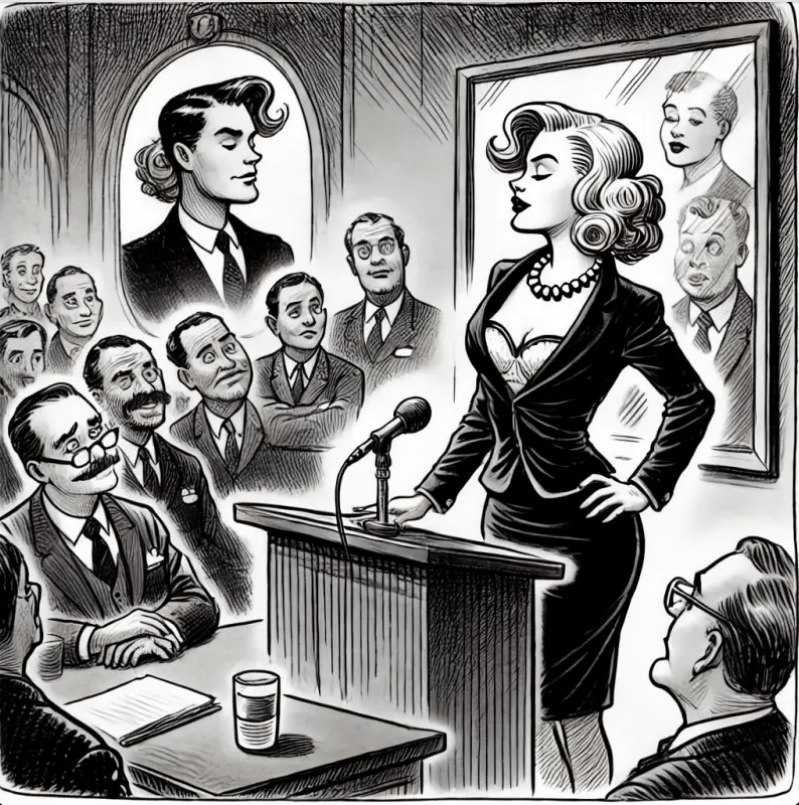
It’s tempting to herald the CEO or the C-suite executive, prominently female now, as the victory that ensures fair pay for all women in the organization. A powerful woman at the top seems to symbolize progress where remuneration is concerned. Alas, this is often wishful thinking masking a more insidious reality: the very top echelons, the enviable positions commanding the highest salaries and bonuses, remain a rare occurrence for women. Does this scarcity skew the data, making progress appear more about visibility than actualized pay equality at all levels below? Or does reaching for those summit roles inadvertently place women in positions where their compensation naturally diverges due to factors beyond gender alone?
`
`
Unpacking the Pay Gap at the Peak: A False Narrative
`
`
The narrative often painted suggests that pay gaps vanish once women reach positions of power. Let’s delve a little deeper beneath the surface. Are the reported disparities truly a tale of the powerful few, or do they emerge from the broader workforce? Consider the trajectory: women might enter corporate roles with the same, or even a slight advantage in starting salaries, only to experience a widening gap as their careers evolve. This phenomenon, often termed the “motherhood penalty” or “glass ceiling,’ but deeply embedded within the corporate structure,’serves as a constant point of dissonance. The woman breaking the glass ceiling might land on the other side as a highly paid executive, yet the countless women navigating beneath her, perhaps excelling in similar skills but facing different evaluators or expectations, may not share the same financial reward.
`
`
Is Bias Secretly Steering the Leadership Dial?
`
`
Leadership isn’t just about strategy or vision; it’s shaped by perception and assessment in the boardroom and during high-stakes hiring. Who is evaluated for the promotion, the board seat, or the promotion to C-suite? The criteria, often unspoken, can subtly advantage certain traits perceived as essential for those roles. Is ‘decisiveness,’ sometimes linked with traditional masculine stereotypes, assessed differently than empathy, often associated with feminine ones? Imagine the “promotion paradox”: a woman demonstrates the exact skills required but may require more careful evaluation due to unconscious bias, or receive less favorable performance reviews because her style is perceived differently. These micro-dynamics perpetuate cycles where women aren’t just denied entry, but their ascent, even if achieved, doesn’t automatically equate to the same remuneration structure as their male counterparts.
`
`
Pay Parity: More Than Just Counting Dollars
`
`
Pay equality isn’t merely a question of identical dollar signs for identical roles. The nuances can be intricate. Does ‘identical’ exist, given the complexities of different sectors, varying company sizes, and evolving role responsibilities? Consider the unspoken value placed on certain types of work – traditionally female-dominated fields with less perceived reward, versus high-paying male-dominated domains. How does maternity leave, or the career path adjustments women often discuss, factor into long-term valuation and subsequent pay scales? The assumption is that once women reach seniority, the complexities are addressed. Perhaps, instead, the complexities themselves contain the reason women aren’t always meant to guarantee pay equality simply by occupying leadership positions.
`
`
The Labyrinth: Unconscious Bias Beyond the Surface
`
`
Unconscious bias acts as the invisible architect in performance reviews, salary negotiations, and promotion panels. These implicit assumptions about gender can fundamentally distort the assessment of value and worth. A woman’s negotiation might be perceived differently than a man’s, leading to systematically lower outcomes. Feedback might be delivered through a gendered lens, impacting perceived ‘readiness’ for promotion. Performance metrics themselves might reflect male-centric communication styles or leadership approaches. Recognizing that the path to the C-suite isn’t truly level, even when women arrive, helps dismantle the notion that a woman leader automatically means pay equality throughout the organization.
`
`
The Ripple Effect: Glass Ceilings and Corporate Culture
`
`
Can workplace culture be a silent collaborator or inadvertently opponent to both women’s leadership and pay parity? A culture that subconsciously values certain communication styles or work-life integration strategies (often perceived as stereotypically male) can systematically undervalue women’s contributions. Furthermore, a rigid corporate structure, rewarding specific types of risk-taking or long hours, might not sufficiently value leadership qualities predominantly exhibited by women. The prevailing culture dictates what leadership looks like and what remuneration signals are sent – reinforcing disparities at every level. Are women reaching for the ‘wrong’ C-suite targets based on these cultural imperatives, inadvertently perpetuating the illusion that C-suite women equal pay equality?
`
`
Leadership Styles, Networking, and the Gendered Tightrope
`
`
The journey to the C-suite involves navigating networks, building visibility, and mastering the language of business. These aren’t linear, merit-based paths. Consider the weight attached to certain forms of influence – informal networks, mentorship, brand reputation. Is the ‘authentic leadership’ movement, challenging traditional power dynamics, truly infiltrating the core valuation systems of corporations, potentially disrupting the deeply entrenched pay structures? Or does this movement merely exist alongside the old guard, whose financial formulas remain unchanged, perpetuating the disconnect between leadership representation and guaranteed pay equality.
`
`
Beyond the Numbers: The Intersection of Multiple Identities
`
`
Feminism’s core strength lies in its evolving nature and recognition of intersectionality. Let’s consider: What about women of colour, LGBTQ+ women, women with disabilities, or those from socioeconomically disadvantaged backgrounds? While gender inequality is a central theme, the specific barriers to pay equality and leadership access are profoundly different, often more complex, for these groups. A singular focus on gender, however, might inadvertently overlook these layers. This isn’t to diminish women’s progress but to ask: Is the promise of pay equality, embodied by a visible female C-suite executive, truly accessible and experienced identically by all women, regardless of their intersecting identity factors?
`
`
Consequently, the relationship between women’s leadership and pay equality remains decidedly tangled. The C-suite, while more frequently occupied by women, presents a complex picture. True pay equality isn’t an automatic upgrade that comes with cornering the market at the top. It demands deeper than surface-level change, embedding value within performance metrics, evaluating potential without bias, and fundamentally restructuring workplace cultures to reward the diverse skills crucial for modern leadership – across the entire talent spectrum. The journey towards genuine pay parity isn’t complete simply when women ascend; it requires a fundamental recalibration of how value and remuneration are defined and deployed.
`