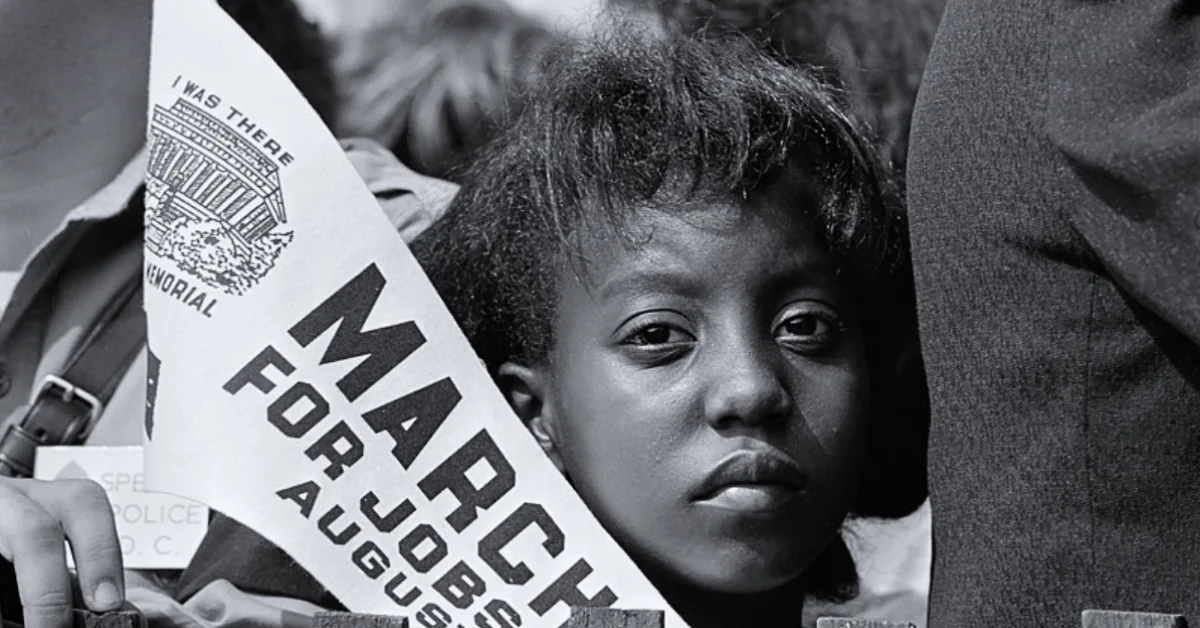
In the sprawling mosaic of social justice history, the entanglement of civil rights and feminist movements has been as empowering as it has been fraught with tension. This alliance, born of shared struggle, galvanized profound societal shifts, yet also laid the groundwork for profound fractures. To unpack this complex relationship is to delve into a narrative of solidarity, contradiction, and the relentless pursuit of liberation. This exploration will unveil the historical synergy, moments of convergence, ideological contentions, and the enduring legacy these intertwined movements have forged.
Genesis of a Revolutionary Partnership
The origins of the alliance between civil rights and feminist movements are rooted in the early 20th century, where the fight against racial injustice began to overlap with demands for gender equality. The civil rights movement, largely centered on racial emancipation and dismantling segregationist structures, found an unexpected yet powerful counterpart in feminism’s call for women’s agency and autonomy. At its inception, this partnership was not merely strategic but existential. Both movements confronted systemic oppression sanctioned by deeply entrenched patriarchal and white supremacist ideologies. The intersectionality, though not yet named, became an organic foundation for activism.
Leaders like Ida B. Wells, Mary Church Terrell, and later figures such as Angela Davis exemplified this dual resistance, championing the rights of black women whose identities occupied a liminal space at the crossroads of race and gender. This era sowed the seeds of a tumultuous but necessary alignment—a coalition constantly pushing boundaries.
The Synergy of Shared Struggles and Common Goals
The 1950s and 1960s bore witness to a powerful alignment forged in fire. The civil rights movement’s momentum, symbolized by figures like Martin Luther King Jr., reverberated through feminist circles, energizing second-wave feminism. The recognition that liberation from racial discrimination could not be fully actualized without addressing the systemic subjugation of women injected new vigor into protests, sit-ins, and legislative battles.
During this epoch, the entanglement was palpable. The Feminine Mystique by Betty Friedan challenged the domestic confinement of white women, while black feminists contended with both racial violence and gendered exploitation. Legislative landmarks such as the Civil Rights Act of 1964 and the emergence of organizations like the National Organization for Women (NOW) marked milestones born from this synthesis.
The content here often revolves around pivotal speeches, court cases against segregation and sex discrimination, and the grassroots activism that animated neighborhoods and campuses alike. Readers can expect detailed chronologies and firsthand accounts illustrating how communal struggle was both uplifting and confounding for activists navigating dual oppressions.
Fractures: The Rift Between Race and Gender Politics
Despite this momentous alliance, deep tensions surfaced as the limits of solidarity were revealed. The feminist movement frequently centered the experiences of middle-class white women, marginalizing women of color and their particular grievances. Similarly, the civil rights movement often prioritized racial unity in ways that sidelined gender-specific issues.
This schism became especially conspicuous with the rise of radical feminism and Black feminism in the 1970s. Groups like the Combahee River Collective articulated a profound dissatisfaction with mainstream feminism’s racial blindness, highlighting how race, class, and gender were inseparable axes of oppression. They exposed the exclusionary tendencies within feminist rhetoric that often failed to grasp the layered realities of black women’s lives.
Such fractures laid bare a disquieting truth: alliance did not guarantee harmony. The narrative here delves into heated debates, ideological splinters, and the emergence of intersectionality as both a critique and a remedy. Through op-eds, memoirs, and intellectual treatises, readers can expect insights into how these movements grappled with internal dissent and the challenge of representing multifaceted identities.
Intersectionality: The Concept That Redefined Solidarity
Coined by Kimberlé Crenshaw in 1989, intersectionality revolutionized the way social movements approached identity and oppression. This theoretical framework illuminated why the historical alliance between civil rights and feminism had overlooked many individuals who lived at the confluence of multiple identities. It exposed the limitations of single-axis analysis and provided a lexicon to articulate the intertwined nature of discrimination based on race, gender, class, sexuality, and beyond.
The adoption of intersectionality marked a paradigmatic shift. Feminist and civil rights activists had to recalibrate their narratives to accommodate complexity rather than simplicity. This section provides readers with rich analysis of academic discourse, activism strategies, and political implications stemming from intersectionality’s ascendancy.
Moreover, examples of intersectional activism from the 1990s to the present illustrate how alliances have been reconstructed with a more nuanced understanding. Readers will find enriching discussions on ongoing campaigns addressing police violence against women of color, reproductive justice, and LGBTQ+ rights situated within both feminist and civil rights agendas.
Legacy and Contemporary Relevance
The historical alliance and its cracks continue to resonate profoundly in today’s social landscapes. Contemporary movements like Black Lives Matter and #MeToo owe a debt to the precedent set by earlier coalitions. However, the persistent challenges of aligning divergent priorities remain. The tension between universalist human rights claims and particularist identity politics is a constant undercurrent in modern activism.
This final section goes beyond history to engage with current debates, controversies, and forward-thinking strategies. It examines how digital activism, global feminism, and transnational civil rights campaigns negotiate the lessons of the past. Readers can anticipate a provocative unpacking of whether true unity is achievable or whether the fractures serve as necessary, albeit uncomfortable, catalysts for evolution.
In essence, the historical alliance between civil rights and feminist movements is not a tidy chronicle of victories and defeats, but a dynamic narrative of collective struggle and introspection. Through understanding this legacy in all its daring complexity, readers are invited to reconsider notions of solidarity, justice, and the relentless human endeavor toward freedom.