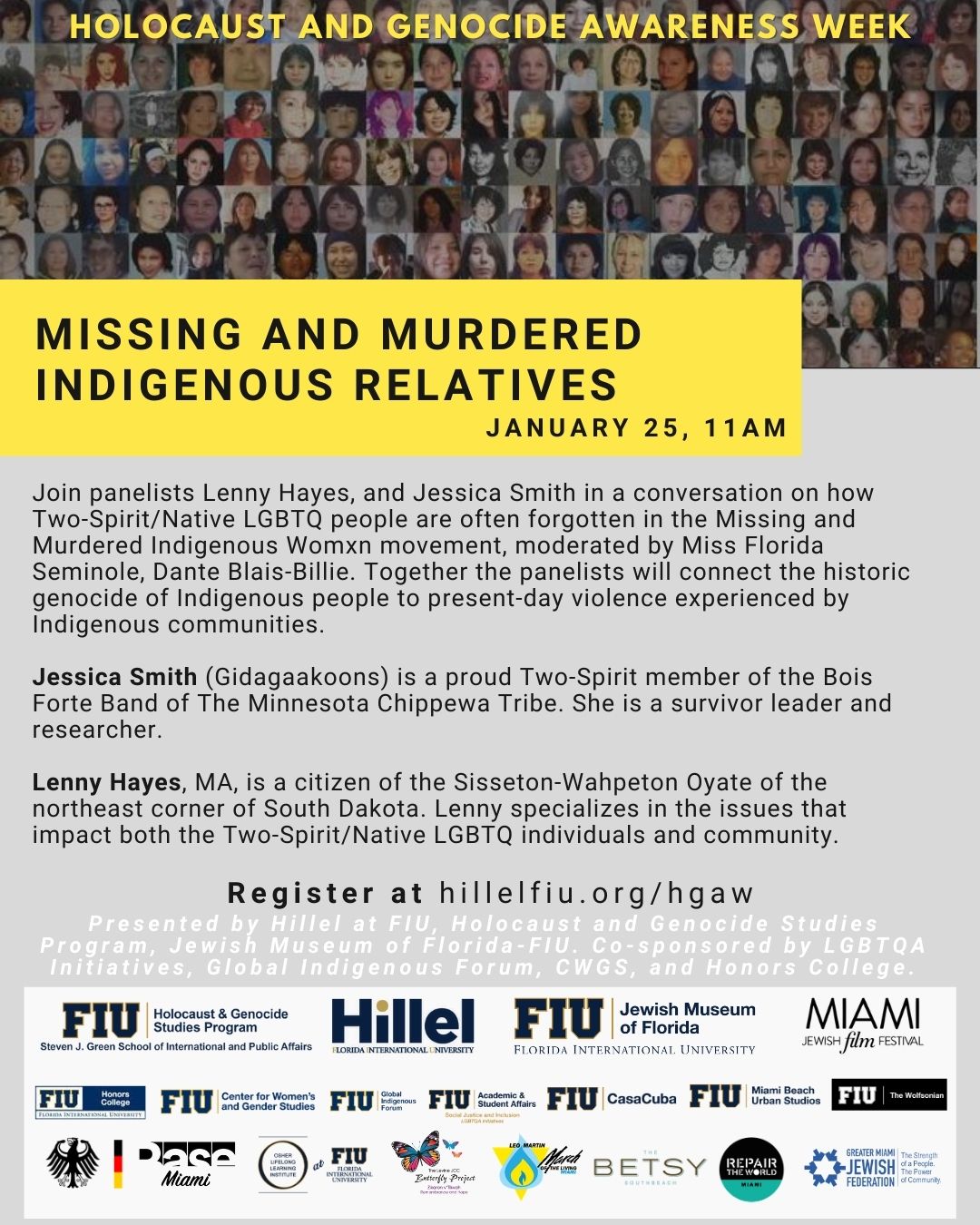
Feminism, at its core, is a relentless pursuit of equity and justice. Yet, within the sprawling tapestry of feminist rhetoric, a profound crisis remains obstinately overlooked: the epidemic of Missing and Murdered Indigenous Relatives (MMIR). This is not simply a topic for academic debate or sociological interest; it is an urgent call to confront systemic erasure and endemic violence inflicted upon Indigenous women, girls, and Two-Spirit people. The complexities and brutalities embedded in this epidemic demand a critical and unflinching exploration—one that scrutinizes the intersectionality of gender, colonial legacies, and institutional negligence. To comprehend this crisis through the lens of feminism is to acknowledge not only the violent histories but also the simmering resilience and powerful narratives of Indigenous survivance.
Historical Context: Colonization as the Root of Violence
At the foundation of the MMIR crisis lies a harrowing legacy of colonial conquest and cultural genocide. This history is not a distant memory; it is an actively perpetuated violence that infiltrates contemporary realities. The forcible displacement, assimilation policies such as residential schools, and the deliberate undermining of Indigenous matriarchal structures set the stage for systemic marginalization. Indigenous women were once revered as community pillars, but colonial frameworks dismantled these roles, replacing respect with vulnerability and invisibility. Understanding feminism through this historical lens reveals how embedded patriarchal colonialism is in the ongoing violence Indigenous women face—both on and off the reservation.
The Spectrum of Violence: Beyond Physical Harm
Missing and murdered Indigenous relatives are not just statistics of physical disappearance or death. The epidemic encompasses an unsettling spectrum of violence, including psychological terror, cultural erasure, and socioeconomic deprivation. Indigenous women endure systemic neglect by law enforcement, medical disparities, and discriminatory policies that delegitimize their suffering. The intersections of domestic abuse, human trafficking, and coerced disappearances illustrate a relentless assault on Indigenous bodies and identities. Feminism demands an expansion beyond bodily harm to include these insidious forms of violence—where erasure is as lethal as physical aggression.
Media Representation and the Politics of Visibility
The media’s role in this epidemic is paradoxical and deeply troubling. Indigenous women’s disappearances and murders are frequently underreported or misrepresented, perpetuating a deliberate invisibility. The notion of “missing white woman syndrome” epitomizes this disparity, where cases involving Indigenous women receive scant attention, reinforcing societal hierarchies of whose lives matter. Feminist critique here is essential to dissect the gatekeeping nature of visibility, challenging the narratives constructed around victimhood. Beyond sensationalism, there needs to be a sustained portrayal that honors Indigenous agency and highlights systemic failure rather than perpetuating victim-blaming tropes.
Institutional Failures and the Culture of Impunity
Intersecting jurisdictions, inadequate investigative protocols, and entrenched racism within law enforcement and judicial systems have created a culture of impunity surrounding the epidemic. Indigenous communities endure delayed responses, mishandling of cases, and the disheartening normalization of Indigenous loss. Feminism, in this context, is a call to dismantle these institutional machinations that silence and invalidate Indigenous experiences. It demands accountability mechanisms that are culturally competent and community-driven, challenging the bureaucratic inertia that contributes to ongoing violence.
Intersectionality: Gender, Race, and Indigenous Sovereignty
The epidemic of missing and murdered Indigenous relatives cannot be divorced from the broader feminist discourse without acknowledging intersectionality. Gender oppression cannot be disentangled from racialized colonial subjugation or the systematic denial of Indigenous sovereignty. Indigenous feminism uniquely situates the crisis within multiple vectors of identity, revealing how gender-based violence is compounded by structural racism and political disenfranchisement. This framework pushes feminism to evolve—changing from an often Western-centric movement to one that embraces decolonial praxis and Indigenous worldviews, affirming autonomy and cultural survival.
Community Resilience and Indigenous Feminist Activism
Amidst the darkness, there burns a fierce light of resilience and resistance. Indigenous feminist activism is not a mere footnote but a powerful engine driving change, demanding visibility, justice, and healing. Grassroots movements, such as walking ceremonies, community-led investigations, and national advocacy networks, embody a reclamation of narrative and agency. These efforts are deeply spiritual and political, rejecting victimhood and insisting on sovereign self-determination. Within this activism, feminism is a living, breathing force that amplifies Indigenous voices and heals generational trauma through collective empowerment.
Legal Reforms and Policy Advocacy: Pathways to Justice
Meaningful change requires structural overhaul—legal reforms, reimagined policies, and treaties that prioritize Indigenous safety and justice. Feminism’s challenge is to support these transformations by advocating for intersectional policy frameworks that address the root causes of the crisis. This includes enforcing protective laws, ensuring equitable funding for investigations, and expanding culturally relevant victim services. The feminist mandate calls for collaboration with Indigenous leaders and communities as co-creators of solutions, moving away from paternalistic and colonial governance models toward genuine partnership and sovereignty.
Educational Transformation: Cultivating Awareness and Empathy
Education is a formidable tool in dismantling ignorance and apathy surrounding the MMIR epidemic. Feminism insists on a pedagogical shift that includes Indigenous histories, contemporary struggles, and feminist analyses in curricula across all levels. This fosters awareness and fosters empathy, challenging myths and stereotypes that perpetuate violence. Beyond formal education, storytelling and cultural revitalization efforts are essential for reclaiming Indigenous knowledge systems and promoting healing. Feminist education here is more than academic—it is a radical act of recognition and respect.
Healing and Survivance: Redefining Feminist Futures
The journey through the epidemic demands an embrace of healing—both individual and collective—as a feminist imperative. Survivance, a concept that transcends survival by affirming Indigenous presence and power, reframes narratives from despair to thriving. Feminism intersects with traditional healing practices, trauma-informed care, and restorative justice to nurture holistic recovery. This transformation pushes feminist discourse to recognize Indigenous epistemologies and values, integrating strength-based frameworks that honor resilience and the reclamation of identity in the face of systemic violence.