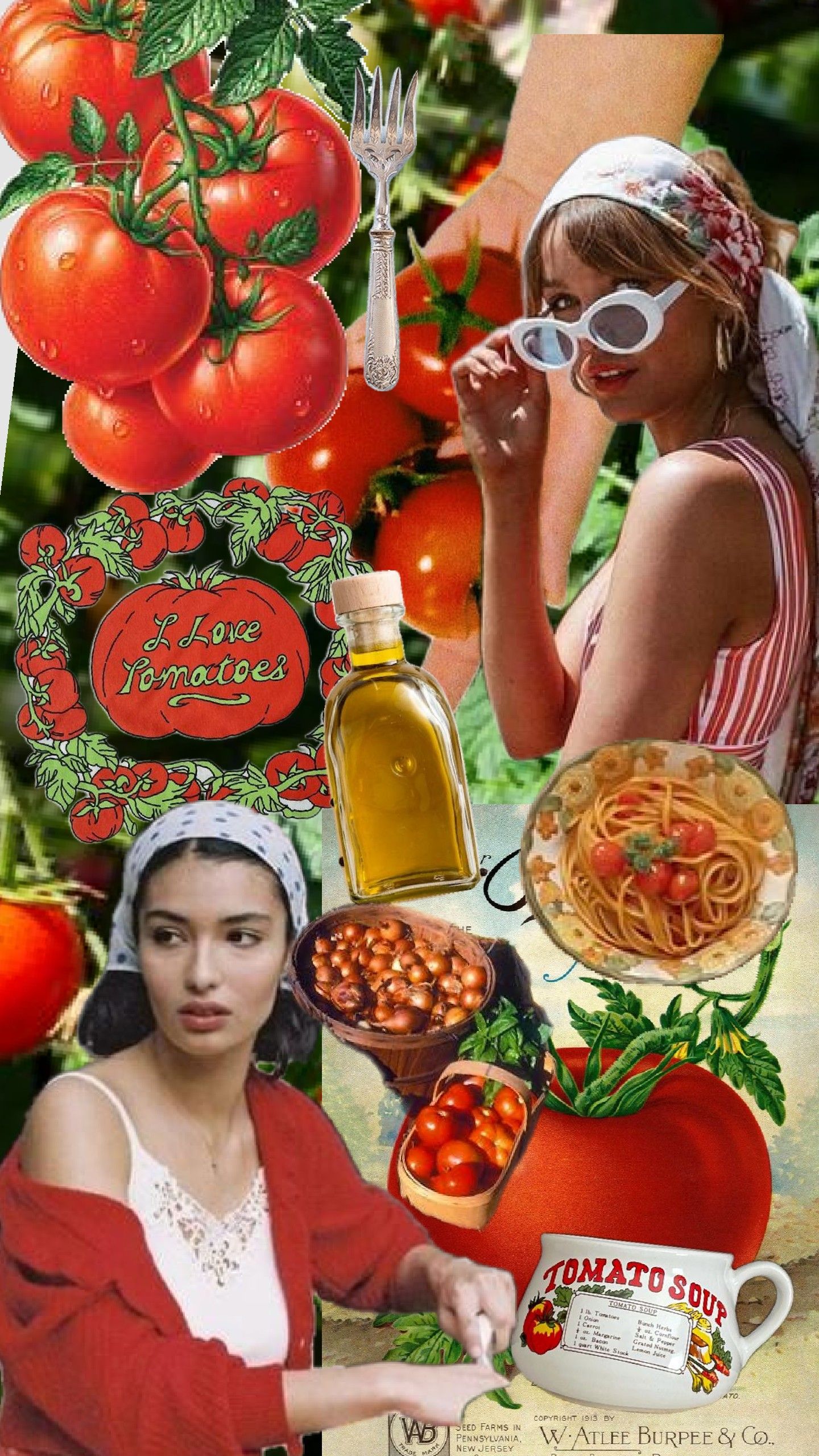
What does it mean to embody the “tomato girl” summer—a season drenched in vintage aesthetics, sun-kissed skin, and an insidiously perfect digital veneer? Is this season of cherry-red lipsticks, nostalgic florals, and effortlessly filtered smiles a liberated expression of feminine power, or rather a subtle enslavement to an ophthalmic spectacle that threatens to dilute the radicalism of feminism? Delve deeper into this paradox where empowerment entangles with expectation, and where the pressure to curate “the perfect content aesthetic” becomes an unspoken mandate muting authentic female experience.
The New Era of Feminist Identity: Seduction by the Aesthetic
In an epoch dominated by social media algorithms and aesthetic validation, the feminist identity faces an unexpected adversary—its own reflection refracted through the prism of the “content aesthetic.” The “tomato girl” summer presents itself not just as a seasonal trend but a carefully curated archetype, a playful yet precise image that captivates attention. It is a manifestation of sun-drenched nostalgia and spirited rebellion, wrapped in a retro riviera aura, where femininity isn’t just lived but performed.
But here lies the conundrum: When aesthetic becomes synonymous with acceptance, the very essence of feminism—that is, the refusal to conform to patriarchal expectations—threatens to dissolve. Does choosing to adorn oneself with the trappings of the “tomato girl” aesthetic represent agency, or does it ironically enforce yet another form of conformity? The seductive power of the aesthetic can quickly become a gilded cage.
The Performative Nature of Feminism in the Digital Age
The act of “performing” feminism has historically been fraught with tension—between sincerity and spectacle, activism and appearance. Today, this tension is heightened exponentially. The ritualized aesthetic poses—sun-washed selfies, vintage bikinis, artful shadows—transform political statements into consumable morsels, digestible at a swipe or double-tap. This democratization of feminist expression offers visibility but denies depth.
Moreover, the very tools of social media, designed to optimize engagement, coerce individuals into molding their persona into a marketable product. The “tomato girl” is emblematic of this dynamic: a curated icon with a specific visual lexicon that demands endless iteration and reproduction. The risk? Feminist identity is reduced to a series of posts rather than an ongoing, multifaceted struggle.
The Pressure to Curate: When Authenticity Collides with Obligation
If the “tomato girl” summer is to be defined by a sun-filled palette of reds, oranges, and vintage browns, then the pressure to embody these hues carries an unspoken imperative. The aesthetic transforms into a content mandate, coercing individuals to package their experiences for public consumption. Authenticity, paradoxically, becomes tethered to the ability to perform within predefined visual codes.
This prescriptive aesthetic creates a landscape where deviation is not just discouraged; it is invisible. Authentic emotions—grief, anger, ambiguity—become extraneous in a world obsessed with curated happiness and retro glamor. The feminist project risks becoming a glossy pageant where only the most visually captivating narratives gain traction.
Retro and Revivalism: Nostalgia as a Double-Edged Sword
The “tomato girl” summer aesthetic draws heavily on retro influences, invoking an era romantically perceived as simpler or more liberating. This anchor to the past, however, is fraught with complexities. Nostalgia serves as both inspiration and trap. While revivalist aesthetics reclaim and reinterpret vintage styles on feminist terms, they also risk sanitizing history’s harsher realities.
The embrace of retro aesthetics can obscure persistent systemic inequalities, comforting the gaze with soft hues and sunset filters while eroding the urgency of ongoing feminist struggles. There is a danger in aestheticizing the past without critically engaging with its social contexts—rendering feminism a vignette rather than a living movement.
Visibility, Value, and the Economics of the Feminist Image
Within the arena of digital culture, visibility often translates directly into value. The “tomato girl” aesthetic, by its sheer visual allure, commands attention and, by extension, economic power. Influencers, brands, and platforms harness this look to propagate a commercial narrative where feminism is commodified into lifestyle and fashion.
However, this monetization raises unsettling questions. Whose feminism is being marketed? What narratives are amplified and which are silenced? When feminism becomes a brand, its radical potential risks dilution, repackaged as palatable aesthetics to fuel consumer passions rather than systemic change. The “tomato girl” becomes a billboard—an icon policed by market interests rather than feminist ideals.
Reframing Resistance: Toward an Expanded Feminist Aesthetic
Is there a path beyond the visual scripts imposed by the “tomato girl” summer? Feminism, in its revolutionary core, demands multiplicity. It calls for narratives that subvert and destabilize easy consumption—the raw, the unfiltered, the uncomfortable. An expanded feminist aesthetic refuses uniformity and embraces the fractals of female experience.
Resistance may reside in reclaiming the aesthetic on one’s own terms, creating content that defies glossy perfection and embraces contradictions. From vulnerability to eccentricity, this expanded aesthetic serves as antidote to the pressure-cooker of content production. It restores space for feminism as an evolving conversation, rather than a static image.
Conclusion: Questioning the “Perfect” Feminine Scene
The “tomato girl” summer, radiant and intoxicating, poses a deceptively simple question: Is the pressure to sustain a content aesthetic empowering or entrapping? Within its carefully filtered frames lies a challenge to feminism itself—can genuine female agency survive the spectacle of curated visibility? The answer, elusive as summer’s fading light, beckons a thoughtful reckoning with aesthetics, authenticity, and the enduring fight for feminist freedom.