Imagine a quiet revolution, not painted with banners or marching in disciplined rows, but whispered through prenatal consultations, stitched together in birth plans, and carried silently through postpartum checks. It’s a revolution led not by politicians or activists alone, but by women – and increasingly, some remarkable allies invested in ensuring birth and early motherhood reclaim their complex narrative. Welcome, then, to the indispensable chapter written in the ink of care, the language of confidence, and the commitment to comprehensive reproductive autonomy: The silent sentinels are the midwives and doulas. Their presence is more than a support system; it is a profound reclamation of control and dignity.
The Historied Roots of Care: Charting a Course Beyond the Citadel
Before institutions cordoned themselves off behind sterile linens and corporate charting protocols, a potent, albeit often marginalized, tradition thrived. Midwifery, weaving through countless cultures, embodied a philosophy antithetical to the dominant medical model. Think ancient goddesses nurtured by earthy wisdom, women whose hands knew the contours of a woman’s body, whose voices carried ancestral lullabies into the throes of labor. This wasn’t simply biological oversight; it was an intimate partnership, a recognition of the woman’s body as both capable and sacred, a holistic view that birth was a natural act demanding natural support. This history whispers of profound respect, a stark contrast to the institutionalization that swept it away.
Enter the Ally: Doulas, The Conscious Companions of Choice
But we cannot forget the contemporary phoenix, the doula. While distinct from midwives in focus and training (primarily focused on labor and delivery support), doulas introduced a fresh dimension: a profound commitment to informed decision-making, guided by evidence-based understanding and unwavering emotional intelligence. These skilled companions don’t replace medical providers; rather, they empower the laboring person by translating complex medical information, advocating for their desires, and amplifying their voice when it’s needed most. Trained to understand the psychological and physiological nuances, doulas offer continuous, non-medical support, demonstrating a unique, conscious approach to reproductive health that prioritizes partnership over directive paternalism. It’s feminism engaged in the most intimate way: respecting capability.

Weaving Two Threads: Midwives and Doulas as a Cohesive Power
It’s the convergence, the synergy, that holds transformative potential. Imagine – midwives navigating the complex landscape of pregnancy with a holistic, woman-focused lens, offering personalized prenatal care, personalized birth preferences, and comprehensive postpartum breastfeeding and baby care. Doulas lighting the way, ensuring the woman’s voice is heard amidst potential institutional silence, decoding technical terms, and championing specific choices. Their combined influence represents a powerful counter-narrative to the depersonalized, often intervention-heavy, model offered by some hospital systems. Together, they advocate for birth environments stripped bare of unnecessary technology and medical authority, breathing life back into autonomy, one gentle breath at a time. The synergy is potent.
Challenges on the Precipice of Control: Navigating the Maze
Yet, the path to this integrated, agency-focused future is not a smooth, pre-determined road. Existing within a heavily regulated, male-dominated, and often profit-driven healthcare system presents formidable obstacles. The doula movement, for instance, continues to grapple with societal misconceptions. Are you a chaplain? An acupuncturist? No – but this is the challenge presented by those unfamiliar with the field. Similarly, midwifery battles for space and recognition, particularly in settings favouring hospital births and physician oversight. There’s a subtle, insidious challenge here, indeed: the ease with which essential reproductive services like doula support can be de-prioritized or de-funded in budgetary discussions. It’s a gentle but persistent whisper questioning: is this extra layer, this vital extra layer, truly seen as necessary, or is it surplus?
Reclaiming the Narrative: Beyond Pregnancy, Towards Reproductive Justice
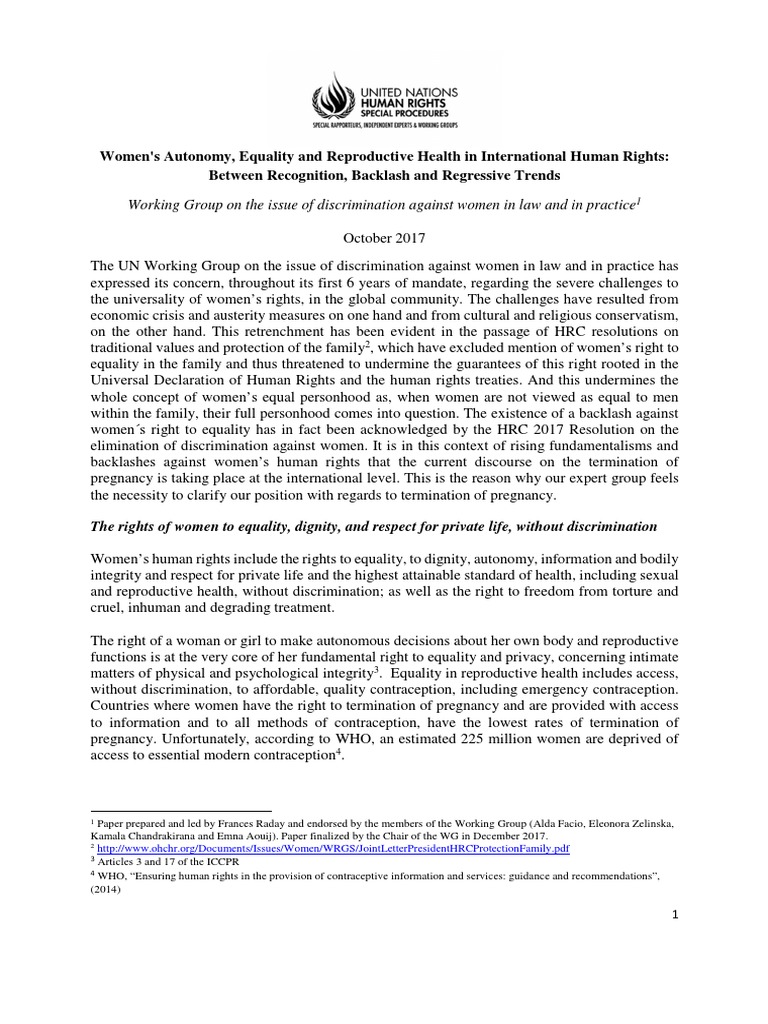
But extending this narrative beyond the birthing room is crucial. The principles championed by midwives and doulas—the emphasis on personalized care, respect for womanhood, informed decision-making regarding procreative sovereignty—have profound resonance. Consider the non-negotiable demand of their approach: a person-centered framework respecting bodily integrity must guide everything from abortion access to comprehensive reproductive health education and contraceptive counseling. The doula’s advocacy for voice translates into a feminist imperative: everyone involved must understand the landscape, articulate their agency. This isn’t merely about birth; it’s a blueprint for broader reproductive justice, acknowledging that autonomy blooms not just in labor, but in the entire lifecycle of the reproductive self.
The Future’s Canvas: Painting with Penetration and Empathy
The landscape of reproductive healthcare is evolving, contested, but undeniably dynamic. The role of midwives and doulas represents a powerful, enduring thread weaving through the complexities. They don’t merely offer a choice during labor; they provide perspective – a counterbalance to systems that often forget the human behind the chart. As feminism navigates the intricate terrain of the 21st century – from fertility technologies to global maternal health crises – the voice of the midwife and the presence of the doula serve as invaluable compasses. They remind us that true agency isn’t just the right to choose, but the wisdom to navigate that choice, the confidence to embrace the resulting life journey. They stand as guardians, not just of birth, but of the intricate, deeply personal drama that encompasses every facet of procreative freedom. The narrative is being written now.