Imagine your relationship as a vast, intricate tapestry — a delicate weave where every thread represents a task, a worry, or an unspoken responsibility. This fabric isn’t just about love and affection; it’s also a complicated network of mental labor, an invisible load that often falls unevenly on one partner. Feminism, with its radical insistence on equality, demands a reckoning with this unseen burden. Conducting a Relationship Mental Load Audit is not mere housekeeping; it is an act of liberation, a challenge to archaic power dynamics that stealthily govern the domestic realm.
The Mental Load: The Shadow Puppet Master of Relationships
The mental load in a relationship is that ceaseless, background hum of responsibility—the orchestrating of schedules, the remembering of birthdays, the anticipation of unspoken needs. It is the shadow puppet master shaping the dynamics of power and control, usually without fanfare or acknowledgment. For many women, it’s an invisible Fetish: a relentless, exhausting vigilance over the minutiae of daily life, while their partners remain blissfully unaware of the orchestration behind the scenes.
This mental choreography can feel like juggling invisible balls—an infinite number of them—wielded with the grace expected yet rarely applauded. Recognizing this load is the first rupture in the façade; naming it gives the oppressed partner a voice and a vantage point, turning the invisible into something tangible.

Preparation: Setting the Stage for the Audit
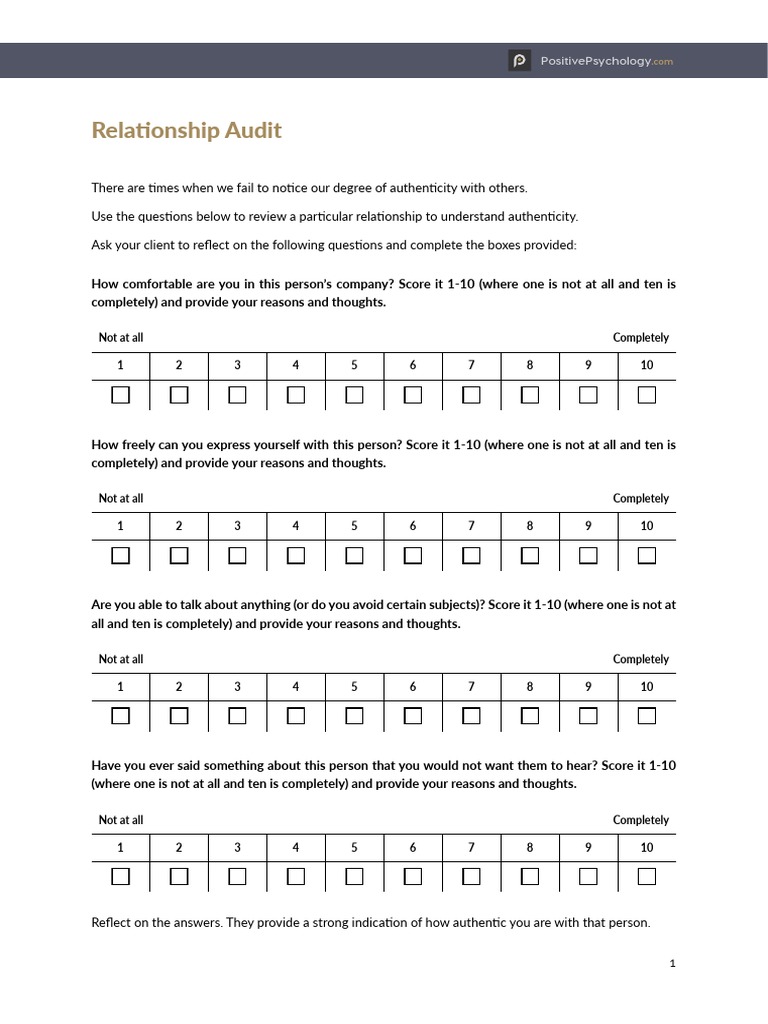
Begin by envisioning your relationship as a corporation and yourself as a stressed CEO drowning in tasks ranging from mundane to monumental. The Relationship Mental Load Audit calls for meticulous inventory-taking. Arm yourself with a notebook or digital tracker. Every task, from grocery shopping to managing in-law politics, must be cataloged. No job is too trivial. Scheduling doctors’ appointments, planning children’s activities, or even the unquantifiable labor of emotional maintenance—each must be listed.
The audit demands brutal honesty, undiluted by sentimental filtering or minimized contributions. It is an excavation into the underground mine of labor that fuels your relationship’s daily operations. Often, tasks buried under ‘invisible’ assumptions come to light only when consciously unearthed.
Mapping Tasks: From the Tangible to the Ephemeral
Once you’ve gathered your list, the next step is to dissect it across several domains. Tangible tasks include cleaning, cooking, shopping—observable, measurable, and traditionally recognized chores. But mental load is far more nuanced; it encompasses the ephemeral labyrinth of ongoing coordination, problem-solving, and emotional labor.
Emotional labor, the often overlooked sibling of physical chores, includes managing moods, mediating conflicts, remembering anniversaries, and providing empathy. These are matters that defy a checklist, yet are fundamental to relational harmony. Honing in on which partner performs which task illuminates the silent inequalities embedded within the relationship’s structure.
Quantifying the Invisible: Time and Energy Investments
Matters of labor are often evaluated in hours spent, but mental load demands a more sophisticated calculus. The cognitive bandwidth required to hold numerous balls in the air, anticipating needs and orchestrating logistics, is mentally and emotionally taxing. The audit should reflect both the time and psychological energy each partner invests.
Is one partner constantly interrupted by reminders? Is there a mental checklist running 24/7 in someone’s mind? Such incessant vigilance fractures concentration, breeds resentment, and siphons joy from the mundane. Mapping these invisible costs is the true power of the audit—it translates foggy feelings of overwhelm into clear, actionable insights.
The Confrontation: Bringing the Audit to the Table
The most delicate aspect of the audit is the conversation it necessitates. This is no perfunctory chat; it is an unapologetic confrontation with ingrained habits and societal conditioning. Delivering the audit’s findings to your partner is an act of intellectual and emotional bravery. It demands a shared table where power is redistributed, not as a gift but as a hard-earned right.
This dialogue must be framed without blame but with radical transparency. The goal is to transition from unconscious patterns to conscious partnerships. It’s where feminism’s core ethos blooms—the dismantling of hierarchical divisions and the cultivation of genuine equity. It is, unequivocally, a renegotiation of norms.
Rebalancing the Load: Actionable Strategies
Unequal mental loads don’t vanish with acknowledgment alone. They need deliberate strategies for redistribution. Begin with shared calendars accessible to both partners—digitally or physically—so the “thinker” isn’t always the one scanning and scheduling. Set regular check-ins to discuss who is handling which mental and physical tasks.
Creating explicit divisions of labor, rotating roles, and vocalizing needs disrupt the inertia that sustains inequity. This process also involves educating each other about the invisible dimensions of labor—empathy paired with practical changes creates new patterns. Over time, this nurtures a partnership where both hearts and minds share the burden, fostering respect and solidarity.
The Unique Appeal of the Mental Load Audit: Beyond Relationships
This audit transcends the confines of personal relationships; it is a microcosm of feminist struggle writ small. It spotlights the pervasive cultural scripts that undervalue women’s work, both visible and invisible. The courage to inventory and interrogate the mental load embodies feminism’s rebellious spirit, challenging patriarchal complacency.
Moreover, the audit empowers individuals to reclaim agency, to restore their sense of self beyond the roles imposed upon them. It is a tactical exercise that enables better mental health, clearer communication, and ultimately, a deeper love born from equality rather than obligation. The Relationship Mental Load Audit is not just a tool—it is a manifesto of self-respect and mutual consideration.