In a society that relentlessly worships youth and equates desirability with the glow of early adulthood, older women often find themselves relegated to the periphery—silent, unseen, and dismissed. Yet, the provocative rise of “The Golden Bachelor” shatters this invisibility with a compelling force, thrusting seasoned individuals into the limelight and challenging the cultural narratives surrounding age, femininity, and worth. This phenomenon is not just a television spectacle; it is a landmark moment that exposes the tangled intersections of feminism, ageism, and the compulsive cultural gaze.
The Cultural Obsession with Youth and the Erasure of Older Women
When was the last time mainstream media celebrated women beyond a certain age as vibrant, desirable, and complex? The answer is often elusive because it rarely happens. Our culture’s fixation on youthfulness creates an exclusionary gaze that renders older women effectively invisible. This invisibility is not simply about aesthetics but a social erasure that denies older women their agency, sexual agency included. The phenomenon is so normalized that older women often internalize it, questioning their own validity and worth.
Behind this erasure lurks a cultural anxiety about aging—particularly in women. The relentless quest for youthful allure overlooks the lived experience, wisdom, and multifaceted identities that come with age. Instead, aging is framed as decline, a social death of sorts, where once-celebrated women retreat into shadows, made to feel irrelevant or undesirable. This collective sidelining is both a feminist issue and a cultural tragedy, revealing how deeply intertwined ageism and sexism truly are.

The Golden Bachelor: A Bold Reclamation of Visibility
Enter “The Golden Bachelor,” a show that disrupts the dominant narratives by placing older individuals front and center in a realm traditionally reserved for the young and beautiful. The show is a cultural provocation, unapologetically showcasing older romance, desires, and complex emotional lives. It dares to challenge the social scripts that dictate who deserves love, attention, and visibility.
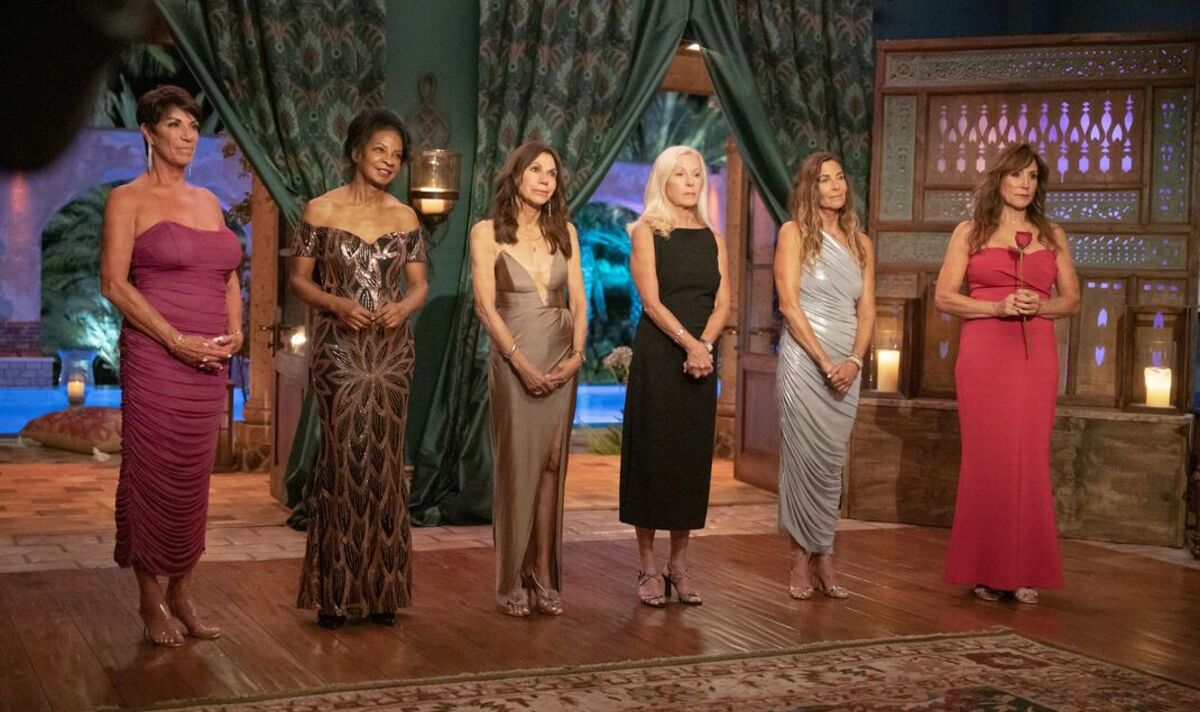
This repositioning offers more than nostalgia; it is a deliberate act of reclamation. Older women, often rendered invisible by mainstream media, are shown not as forlorn relics but as dynamic, evolving beings who defy ageist expectations. By centering older female contestants’ youth-inflected fashion choices, the show complicates assumptions about style and age, revealing how self-expression refuses to corrode with time.
Ultimately, “The Golden Bachelor” becomes a microcosm of feminist resistance to invisibility. It confronts the pernicious belief that aging means a vanishing into irrelevance and instead presents a narrative rich with possibility, humor, and authenticity.
Feminist Dimensions of Age and Desire
Feminism has long battled patriarchal constraints on women’s bodies and identities, yet the conversation often sidelines age as a nexus of discrimination. The invisibility of older women is a glaring omission in feminist discourse, one that “The Golden Bachelor” forces us to reckon with. To fully embrace feminism, there must be an inclusion of age as a critical and intersecting axis of oppression.
Older women’s sexuality and desirability have been taboo topics because they unsettle normative assumptions grounded in youth and productivity. The fascination with “The Golden Bachelor” stems from its unveiling of this taboo—a public acknowledgment that sexuality, romance, and selfhood extend well into later life. In doing so, it disrupts the reductionism of women as only youthful objects of desire, expanding the feminist narrative to encompass evolved, seasoned identities craving and deserving attention.
Why Society Is Fascinated by “Younger-Style” Dressing Among Older Women
The observation that older women on “The Golden Bachelor” are embracing fashion typically associated with younger generations hints at deeper societal dynamics. This sartorial choice is not merely an aesthetic preference but a provocative commentary on age norms and the policing of women’s bodies. When older women dress “younger,” they seemingly defy societal prescriptions and reclaim autonomy over self-presentation.
Yet, this phenomenon generates a complex fascination—on one hand, admiration for the boldness; on the other, discomfort rooted in deeply ingrained stereotypes that designate certain styles as age-inappropriate. This binary reveals our cultural struggle to accommodate fluidity in identity, where aging should not confine women to predetermined roles or looks. The embrace of youthful aesthetics by older women becomes a subversive vocabulary—a way to challenge invisibility and assert that identity is neither static nor confined by age.
The Deeper Reasons for the Cultural Captivation
Why does society fixate so heavily on this juxtaposition of age and youthfulness? The answer lies in a collective unease with the passage of time and the disruption of ingrained hierarchies of value. Older women adopting “younger” styles unsettle the dominant cultural narrative that equates time with decline. This disruption threatens established power structures predicated on controlling women’s bodies—particularly through ageist and sexist frameworks.
The fascination, then, is a projection of unresolved anxieties about mortality, relevance, and control. At its core, it reveals how deeply uncomfortable society is with women who refuse to acquiesce to invisibility. What we witness is not just fashion or entertainment—it is a cultural battle between erasure and assertion, near invisibility and radical visibility.
Conclusion: Toward a More Inclusive Feminism
The emergence of “The Golden Bachelor” is a clarion call to feminist and cultural movements alike: the invisibility of older women is a critical issue demanding attention. It challenges us to interrogate the ageist assumptions embedded within our collective consciousness and to embrace a feminism that recognizes women’s full life spans—not just their youthful moments.
More than a television show, this moment is a cultural reckoning with how society values aging, desire, and identity. It invites a reimagining of what it means to be visible, vital, and desirable at every stage of life. To ignore this is to perpetuate a damaging hierarchy that marginalizes a vast swath of women.
The Golden Bachelor offers not just entertainment but a provocative mirror reflecting the possibilities of resilience, reinvention, and unapologetic visibility. It challenges patriarchy not by youthful defiance alone but through the power of enduring presence.