In a world that prides itself on progress and equality, there lurks an insidious thief — one that methodically siphons away something precious yet invisible: women’s time. This is not a whimsical lament but a precise phenomenon encoded in the fabric of patriarchal societies, crystallized in what scholars and activists call the “leisure gap.” Beyond mere statistics, this imbalance reveals a deep-seated injustice that distorts lives, curtails potential, and perpetuates gender hierarchies. Feminism’s challenge is to illuminate this invisible theft and reclaim time as a battleground where liberation is won.
The Leisure Gap: More Than Just Lost Minutes
What does it mean to lose time? Not the episodic slips of distraction or wasted moments but the sustained, systemic erosion of free time that women experience daily. The leisure gap is the quantifiable difference in the amount of leisure time men and women possess, a stark mirror reflecting the unequal distribution of labor, care, and societal expectations. It is not merely the difference between men watching an extra television show or spending longer in the gym. It is a reflection of entrenched patriarchal norms that consign women to a perpetual ‘second shift’—unpaid domestic and emotional labor squeezing out leisure.
Numerous studies highlight that women consistently spend significantly more hours on unpaid work—household chores, caregiving, emotional labor—than men. This is the core of the leisure gap. Each hour sacrificed here translates into a lost opportunity for rest, creativity, personal growth, or spontaneous joy. Leisure is not a luxury; it is essential for mental, emotional, and physical health. To steal it from women is to weaponize time itself.
Patriarchy’s Invisible Chains: Domestic Labor and Emotional Burdens
The architecture of patriarchy is cunningly designed to obscure the gravity of domestic labor. Unlike paid employment, this work is rarely accounted for in economic metrics or public consciousness. Women often bear the brunt of this labor regardless of their employment status, creating a double or even triple load. The invisible chains binding women are made not merely of physical chores but of emotional responsibility—the perpetual mental inventory of a household’s needs known as the “mental load.” This cognitive labor—remembering deadlines, planning meals, coordinating childrens’ activities—remains largely unshared.
While men may perform domestic tasks, the qualitative and quantitative disparity remains vast. Women’s time is fragmented into tasks and responsibilities that rarely afford uninterrupted leisure. What’s paradoxical and infuriating is that this exploitation masquerades under benevolent intentions and cultural norms, making the fight against it all the more urgent and complex.
Statistical Reality: The Unequal Temporal Terrain
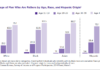
Crunch the numbers, and the leisure gap emerges in glaring clarity. Women, on average, enjoy less leisure time than men by between one to two hours a day—an amount that may seem negligible to the untrained eye but aggregates into days and weeks lost over a lifetime. When contextualized within the daily grind of modern life, these stolen slices of time reveal a profound structural inequality.
What makes this temporal inequality so pernicious is not just the duration but the quality of leisure. Men’s leisure is often uninterrupted, engaged, and fulfilling. Women’s leisure, conversely, is frequently squeezed between obligations and may be punctuated by anxiety or residual work thoughts. Thus, time isn’t just stolen; it is fragmented, devalued, and diminished.
The Broader Implications: Creativity, Career, and Well-Being
Time is a currency tied to freedom—freedom to create, to rest, to heal, and to dream. When patriarchy steals from women’s time reserves, it exacts a toll far beyond fatigue and frustration. The leisure gap hinders women’s capacity to invest in their aspirations, whether artistic, professional, or intellectual. Burnout isn’t just personal; it’s structural, born from relentless overextension.
Consider careers: women are often portrayed as less committed or less available workers—a profound misinterpretation that ignores the hidden labor siphoning their time. The leisure gap is inextricably linked to wage gaps, workplace inequalities, and glass ceilings. Without protected leisure, the cultivation of skills, networking, and rest necessary for peak performance in professional realms is compromised.
Challenging the Status Quo: Feminism’s Temporal Revolution
Feminism grapples not only with legal and social equality but also with a radical reimagining of time itself. The leisure gap punctures myths of meritocracy and individual effort, revealing the collective and systemic nature of oppression. Addressing this requires more than equitable division of household chores—it demands a cultural shift in valuing care work and recognizing invisible labor as legitimate.
Innovative policy proposals like universal basic income, guaranteed paid caregiving leave, and affordable childcare are not mere conveniences—they are temporal justice. They reject time poverty as inevitable and enfranchise women to reclaim autonomy over their schedules. Moreover, redefining masculinity to embrace caregiving and emotional labor can redistribute time more equitably across genders.
The Promise of Reclamation: Piquing Curiosity and Inspiring Action
What if time, the most democratic commodity, was truly shared? Imagine a society where the shading and layering of responsibilities is rebalanced, freeing women to explore, innovate, and simply be without guilt or interruption. The leisure gap is not destiny; it is a call to awaken. By exposing how patriarchy steals women’s time, feminism offers a promise of restoration—a recalibration of society’s rhythms toward genuine equality.
The journey toward temporal justice invites curiosity: what might women do with reclaimed hours? How would communities shift if time burdens were dismantled? What cultural patterns would unravel or transform? These questions provoke reflection and ignite collective imagination.
Conclusion: Time as the Frontier of Feminist Struggle
Patriarchy does not merely shape ideology and institutions. It invades the very calendar of women’s lives, hijacking time and its possibilities. The leisure gap statistic is not an isolated figure; it encapsulates systemic theft that pervades gender relations. Feminism’s battlefront now marches onto this temporal terrain, demanding that time be recognized as a vital resource equally wielded, equally cherished. In reclaiming stolen moments, feminism beckons a new epoch—where freedom is measured not just in rights won, but in the leisure to breathe, create, and flourish.