For the Unwritten Future: Feminism Meets Equal Parental Leave
Imagine stepping out of the delivery room bathed in a warm, albeit slightly surreal, glow. The world, as you knew it while building your career, seems poised on the precipice of something fundamental. We talk about pay equity, the glass ceiling, sexual harassment. These are the giants of the current feminist landscape. But beyond the headlines, a quieter revolution is simmering – a debate about the very architecture of family life, centering not on *segregation*, but potentially on equal parental leave for both mother and father. Is the long-anticipated, transformative goal not a world where supporting parents is gender-neutral, regardless of who holds the baby? This article navigates the currents of maternity, paternity, and the compelling case for equal parental leave, examining how normalizing the redistribution of post-baby care impacts identity, work, and societal norms.
The Unspoken Bias of Current Systems
It wasn’t long ago that taking “maternity leave” was practically synonymous with pausing one’s professional trajectory for an indefinite period, often without much expectation of return. While the concept of paid leave itself is evolving globally, the distinction between maternity and paternity leave is starkly unequal. Consider the scenario of the expectant father scanning online marketplaces, comparing work-life balance, salaries, and proximity to top talent – and finding himself contemplating a job change within months. Is it mere coincidence that the most demanding periods for balancing work and family arguably peak during this transition, coinciding with company lay-offs? The subtext is often implied but rarely explicit: the company understands that the mother is temporarily unavailable, perhaps permanently dependent, while the father, on his shorter, less defined leave, represents a potential investment in a stable long-term employee. This subtle bias underscores the need for a system less reliant on gendered predictions about parental role retention.
The Misdirected Focus of Paternity Leave
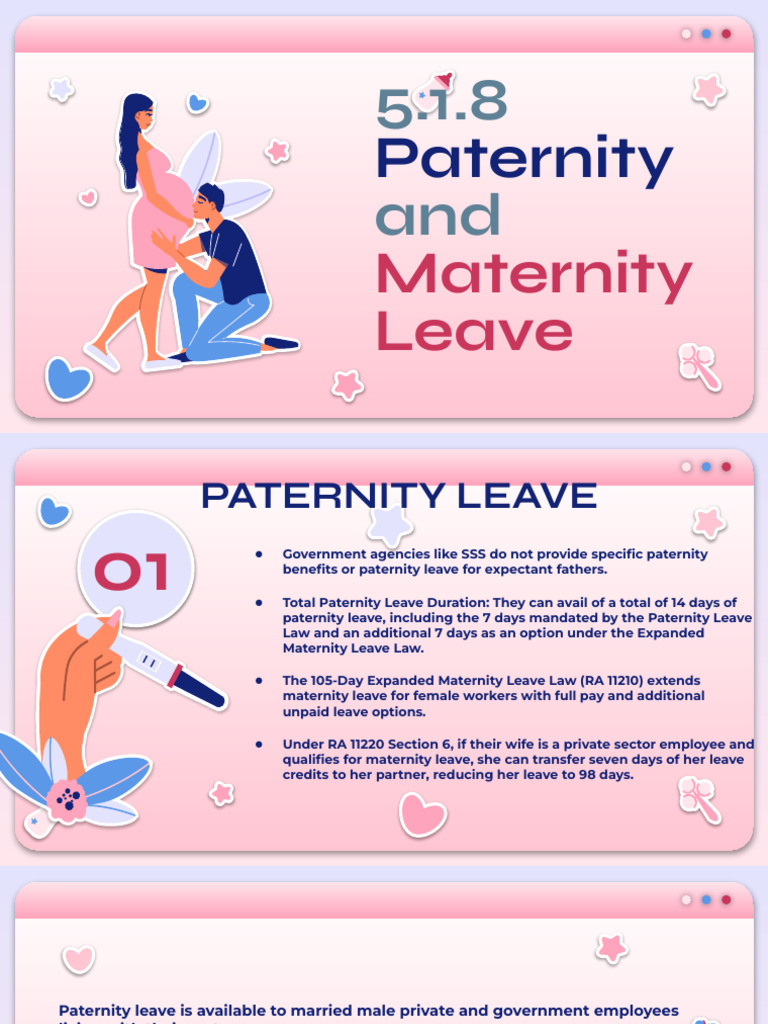
Some view paternity leave as a step in the right direction – time for fathers to be involved, to bond. Yet, when implemented as it often is, this can sometimes reinforce an old narrative, albeit from the opposite gender perspective. The headline of a news report might read “Father’s Month off Boosts Child’s IQ,” implying that the father’s presence is the novel, compensatory factor. What does this say about the default assumption that the mother’s role is solely foundational, and only supplemented by the father during the critical early months? This suggests that even the well-intentioned introduction of paternity leave may, by emphasizing fatherhood rather than the collective parental experience, inadvertently solidify a norm where primary caregiving motherhood remains the baseline, requiring optional paternal support.
Challenging ‘Mum Rage’ with a Different Narrative
The rise of internet forums for women (“Mommy Blogs,” “mumsnet”) often echoes a shared frustration – the feeling that society still primarily values women’s lives as revolving around domesticity and unpaid care, while men are valued through their market careers. The term “Mum Rage” captures, albeit dismissively, this deep-seated exasperation. Instead of amplifying this resentment, perhaps a more constructive shift lies beyond even paternity leave. Imagine a society where the birth of a child doesn’t inherently pause one career path and accelerate another. Equal parental leave doesn’t just redistribute time; it redistributes the narrative. If the societal expectation that dictates who “needs” a temporary career pause is dismantled entirely, replacing it with support for either or both parents to remain fully engaged at their workplace – or choose differently – without gendered implications, wouldn’t that be a more potent challenge to the structures enabling both economic independence for women and their historically secondary (though improving) economic power?
Equal Leave: Redefining the Parental ‘Greatest Adventure’
We constantly hear about raising children as parents’ “greatest adventure.” Equal parental leave injects a profound new dimension into this framing. If leaving for the father to navigate the world of work continuity while the child is young is the “adventure,” it risks becoming a lonely one. Conversely, if his departure is temporary, supporting him – perhaps with flexible work, subsidized childcare, or allowing career recovery time later – could make both their post-baby paths more manageable. A truly equal leave system, recognizing that children thrive with consistent, loving presence over many months regardless of gender, reframes post-birth parenting shifts as part of a shared journey, not a gendered handover or a career interruption. This narrative shift holds the potential to reframe parenthood itself, moving away from maternal exclusion to a unified model that values both parents’ capabilities and the family’s overall stability.
Beyond Equity: The Impact on Infant and Child Well-being
The benefits of parental involvement, high-quality childcare, and consistent engagement during the earliest developmental years for infants cannot be overstated. The debate isn’t about *either* parent being essential, but about access to flexible arrangements that allow both to participate. A study might demonstrate that children with fathers present during key early stages achieve higher cognitive scores (“Father’s Month off Boosts Child’s IQ!“). But this shouldn’t read as a father *adding value* to an already primary-mother system. Instead, it should highlight the potential for both parents to effectively participate during those crucial formative months, maximizing the developmental impact regardless of who takes a more direct role at any specific time. Equal parental leave doesn’t pit mothers against fathers; it empowers families to collectively determine the optimal post-birth structure, a choice unconstrained by legal or social penalties for differing durations of absence.
Leveling the Playing Field: Paid Leave, Equity, and the Future Workforce
Equal paid leave isn’t just a feel-good policy; it’s an investment in human capital and social stability. It creates a level playing field where all employees understand their parental leave rights equally. Why should companies have an easy time poaching top female talent who will potentially leave again later, or reliable male talent taking a predictable six weeks? A society with universal, generous, and gender-neutral parental leave offers a compelling narrative to children: “Parents are equally supported in pursuing careers and choosing their family roles.” This fundamentally breaks down the transactional model of employment where parenthood is a calculated risk for the employer. Furthermore, in nations like Sweden with comprehensive leave systems, the shift away from women concentrating in low-paying, traditional sectors (often undervalued precisely because historically women did them) is noticeable. Equal leave normalizes women pursuing higher education and demanding roles previously associated with men, altering the career trajectory and economic landscape.
Beyond Maternity/Paternity: The Employer’s New Mandate – Supporting Talent
In a world moving past the old binary, the paternal figure often becomes a crucial reference point for understanding workplace flexibility norms. If a company truly values its workforce, it must re-imagine leave not just as maternity or paternity, but as parental leave, gender-neutral by definition. This requires challenging deeply ingrained assumptions about who needs whom to function. Does the idea of a company actively ensuring that both partners can remain at work during the child’s infancy phase sound radical? It should. This necessitates a cultural shift in leadership: viewing parental leave not as a temporary concession but as an integral part of talent management and employee well-being. This isn’t a zero-sum game. Supporting employees through life events like birth strengthens their loyalty and resilience. It makes the company a place people want to be and build careers, rather than the sole place of earning potential interrupted.
Conclusion: The Ripple Effect of Redefining Parental Support
The distinction between maternity and paternity leave whispers assumptions, shouts inequalities, and echoes the deeply embedded gendered structures still governing work and family life. The Feminist revolution’s unfinished business might not just be achieving equal pay under conditions of segregation, but actively fostering conditions where parenthood becomes a non-negotiable equalizer, not a source of professional penalties or societal pressures. Equal parental leave isn’t merely a benefit for new parents; it’s a foundational element in reshaping labor norms, fostering child well-being, promoting gender equality within families, and potentially revolutionizing the relationship between work and private life. For the unscripted dialogue around parenthood to replace the awkward silence of the maternally-focused past, it requires more than incremental change. It demands a societal imagination far bolder than current parental frameworks allow, imagining a world where “who needs the time off” becomes irrelevant to the equation of human value and family support. That unscripted future is worth building.