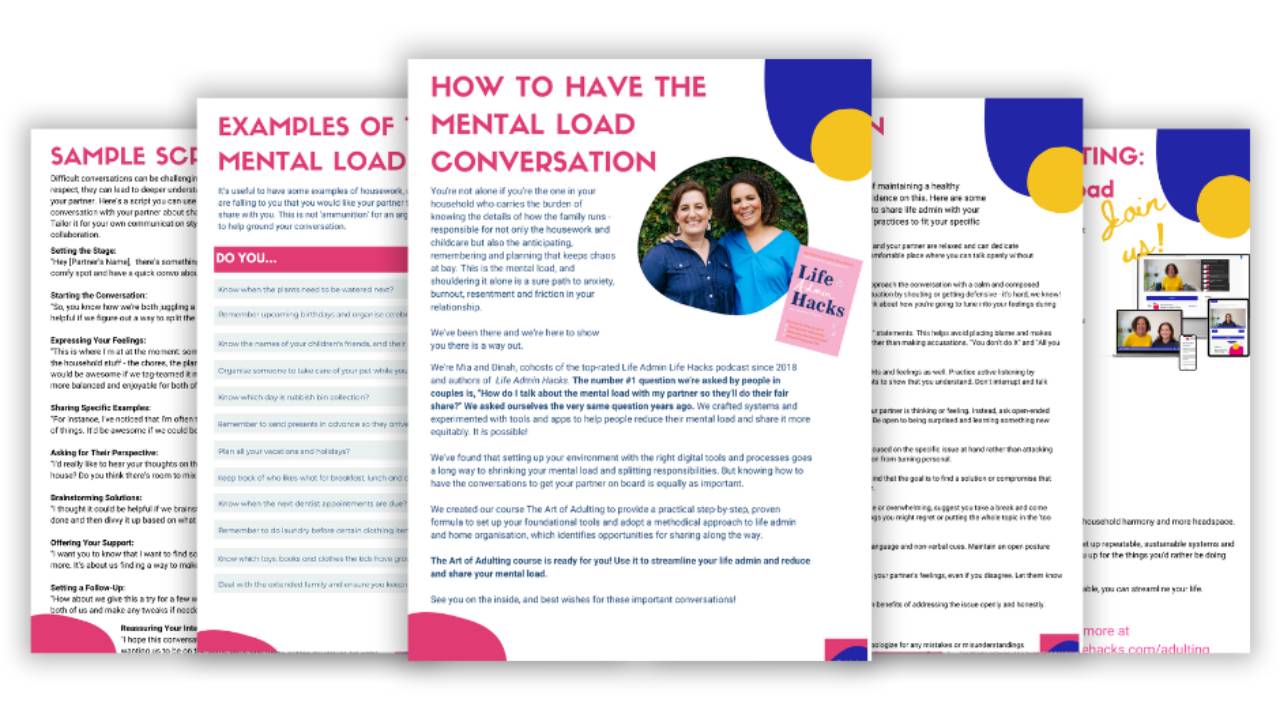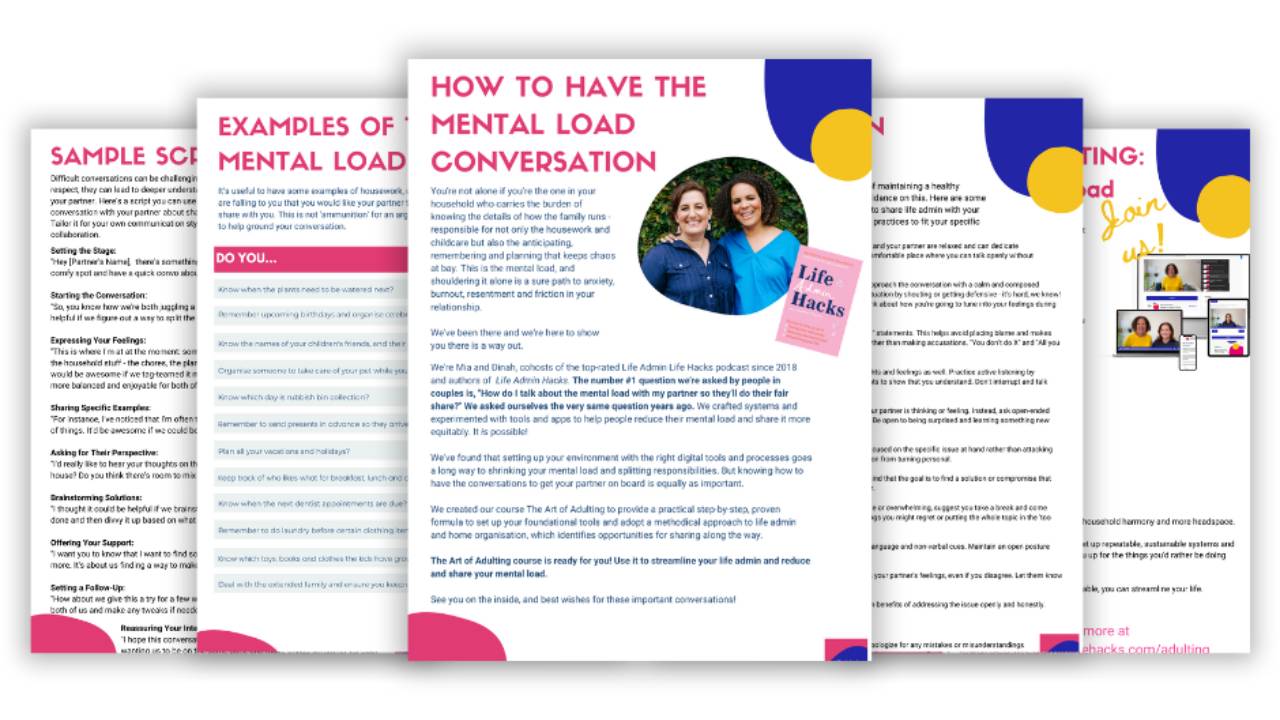
Imagine a symphony where every instrument plays its part perfectly—only one is stuck tuning incessantly while the rest coast through the melody. This is the mental load, a silent conductor orchestrating the unseen and relentless demands of domestic and emotional labor, predominantly shouldered by women. Navigating the mental load conversation is akin to tiptoeing through a minefield: one misstep, and you ignite a battle instead of building understanding. In the charged realm of feminism, how do we open this dialogue without fracturing bonds? How do we shift from tension to teamwork? This is the intricate dance of having the mental load conversation without fighting.
The Invisible Atlas on Her Shoulders
The mental load is not just a checklist; it is an invisible atlas, heavy and unyielding, carried silently. It comprises the anticipatory maintenance of life—the unspoken responsibilities of remembering birthdays, scheduling appointments, juggling household chores, and managing emotional tides. For many women, this mental load morphs into an omnipresent shadow, an exhausting vigilance that demands cognitive labor far beyond overt tasks. When this burden remains unacknowledged, resentment curdles beneath the surface, festering into conflict.
Understanding the uniqueness of this invisible weight is crucial: it cannot be measured by tangible deeds alone. Unlike physical chores, it is the emotional and cognitive preparation, the constant strategizing that drains vitality. The conversation isn’t simply about dividing tasks; it’s about illuminating this hidden architecture that scaffolds everyday survival.
Reframing the Narrative: From Accusation to Invitation
The mental load discussion often ignites because it resembles a battlefield where blame is the primary weapon. This dynamic—“You never remember” versus “You never ask me to”—only deepens the chasm. Wrestling with defensiveness is natural; people feel attacked when their shortcomings are spotlighted.
To defuse this, reframe the narrative from accusation to invitation. Engage with metaphors that invite empathy rather than erect barriers. Instead of saying, “You don’t do your part,” consider: “I feel like I’m carrying an invisible to-do list that needs extra hands.” This subtle linguistic pivot transforms the conversation from combat to collaboration. It dissociates the mental load from personal failings, repositioning it as a shared problem instead of an unshared fault.
Activating Empathy Through Shared Storytelling
Empathy is the lubricant in the gears of difficult conversations. To enable it, stories are powerful tools—they humanize abstract burdens. Share specific instances when the mental load became overwhelming, not as evidence against, but as a window into your internal world. “When I cancel plans last minute because I’m mentally drained, it’s not because I don’t want to go, but because I’m exhausted from managing everything.”
Encourage your partner or counterpart to voice their feelings about these revelations. This reciprocal storytelling engenders mutual vulnerability, a fertile ground for connection. Gradually, the mental load becomes less of an invisible adversary and more of a shared challenge with tangible contours.
Deconstructing Gendered Expectations: The Cultural Skeleton
The mental load conversation cannot be divorced from the cultural skeleton that frames it. Gendered expectations are fossilized norms dictating who “should” remember, plan, and care. Feminism unsettles this ossified structure by questioning why domestic mental labor disproportionately weighs on women’s shoulders.
Unpacking these inherited roles during the conversation invites a paradigm shift. It contextualizes the mental load as a byproduct of societal conditioning rather than individual failure. This realization can be a catalyst for both partners to consciously renegotiate roles, shedding archaic scripts in favor of equitable authorship of domestic and emotional space.
Building Practical Pathways: Tools and Rituals for Shared Mental Labor
Insight alone, however, does not dissolve the mental load—it must be accompanied by practical mechanisms. Collaborative calendars, shared reminder apps, and designated planning sessions demystify the invisible work by making it visible and distributable. Ritualizing check-ins transforms mental labor from spontaneous and solitary into structured and communal.
These tools act like signposts on a winding trail, guiding partners through the terrain of shared responsibilities with clarity and purpose. As mental labor is externalized, it becomes less oppressive and more manageable, fostering trust and reducing friction. This pragmatic layer grounds the conversation in actionable change, moving beyond emotions to embodiment.
The Radical Act of Listening Without Defending
Perhaps the most revolutionary aspect of this conversation is the act of listening without the instinct to defend. When one side voices the mental load’s weight, an automatic defense mechanism may trigger—denial, justification, or minimization. But real progress emerges from a radical suspend of this reflex.
Listen to understand the nuance and emotion, even when it’s uncomfortable. This moment of unguarded reception becomes a crucible for transformation, forging deeper respect and insight. It is an act of feminist praxis: honoring the lived experience of mental labor without diminishing its validity or necessity.
The Unique Appeal: Why Mastering This Conversation Matters
Mastering the mental load dialogue is more than conflict avoidance—it is a profound act of reclamation and partnership. It challenges ingrained hierarchies and redefines intimacy as co-creation rather than unilateral sacrifice. Feminism’s allure here lies in its promise to dismantle silent suffering and replace it with collective empowerment.
In this conversation, there is a rare alchemy: transforming exhaustion into equity, resentment into resonance, and division into a unified front. It reveals that the mental load, when acknowledged and shared, has the power not just to lighten burdens, but to deepen bonds.
Conclusion: From Silent Strain to Symphonic Collaboration
The mental load is a symphony waiting to be harmonized, not a solo lament. With eloquence, empathy, and intentionality, the mental load conversation shifts from a powder keg to fertile ground for feminist growth. It demands bravery to dismantle silence and curiosity to rebuild anew. When partners stop fighting over unseen burdens and begin navigating them together, they forge a relationship that not only survives but thrives—an exemplar of true equality.