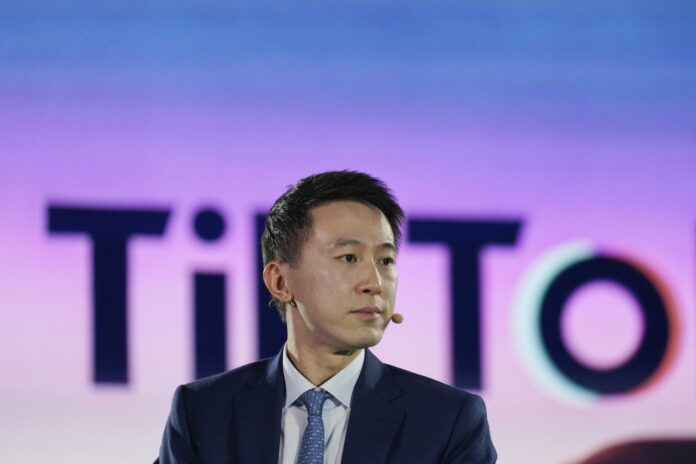
In the labyrinth of contemporary social discourse, where empowerment and self-expression intertwine, a familiar yet insidious narrative is surging back with renewed vigor. The glorification of the ‘size zero’ ideal, long denounced as a relic of toxic beauty standards, is resurfacing with audacious swagger on TikTok—a platform notorious for its algorithmic echo chambers and millennial cultural kaleidoscopes. This revival, deceptively cloaked under the banner of feminism and body positivity, demands rigorous scrutiny. It is not merely a regression but a pernicious distortion that threatens to unravel the hard-fought fabric of feminist ideals.
The Resurgence of ‘Size Zero’ in the Digital Feminist Arena
At first glance, TikTok’s vibrancy appears to champion diversity and inclusiveness, rarely does it feel as if the ghost of ‘size zero’ is parading so brazenly as it does today. The “thinspiration” undercurrents, once relegated to niche corners of the internet, have found a mainstream expressway through trendy hashtags and viral challenges. What is most disconcerting is how this discourse masquerades as feminist empowerment, conflating slenderness with self-worth and liberation. This conflation poses a paradox: how can an exclusionary, often unhealthy standard be reconciled with feminism’s ethos of embracing all bodies and experiences?
Unpacking the Content: From Thinspiration to Toxic Positivity
TikTok’s content ecosystem is a paradoxical battleground. Users encounter a kaleidoscope of videos, ranging from unapologetically affirming body positivity narratives to dangerously minimalistic diet vlogs that romanticize the ‘size zero’ silhouette. These videos often employ highly curated aesthetics—glossy filters, ethereal lighting, and seductive choreography—to seduce viewers into an aspirational ideal that is visually enchanting yet fundamentally exclusionary. This dichotomy breeds cognitive dissonance, as it entangles genuine self-love with a fetishized thinness that marginalizes larger bodies under the guise of motivation and ‘health.’
The Algorithmic Alchemy: How TikTok Elevates Size Zero Content
Understanding the algorithmic machinery behind TikTok is essential to grasp why the ‘size zero’ discourse gains traction so relentlessly. The platform’s black box algorithm thrives on engagement metrics—likes, shares, watch time—rewarding content that elicits strong emotional responses. Videos idolizing extreme thinness often trigger envy, aspiration, or even controversy, all potent drivers of interaction. Consequently, these videos enjoy disproportionately high visibility, creating an omnipresent narrative that normalizes and even glamorizes size zero as the zenith of desirability and feminist expression. This algorithmic alchemy transforms individual biases into widespread cultural phenomena, effectively weaponizing thinness.
Feminism’s Conundrum: Inclusion Versus Idealization
The feminist movement, at its core, advocates for bodily autonomy and challenges rigid beauty standards. Yet, the reemergence of ‘size zero’ fetishization on TikTok reveals a troubling fissure within feminist praxis. There is an uneasy tension between celebrating agency—where individuals choose their bodies and expressions—and confronting societal pressures that coerce conformity to dangerously narrow ideals. This conundrum is exacerbated by the platform’s demographic: predominantly young females navigating self-identity amid conflicting messages of empowerment and appearance-based validation. Feminism risks being co-opted, becoming a veneer that masks adherence to entrenched aesthetic dogmas rather than dismantling them.
The Psychological Fallout: Beyond Physical Appearance
It would be remiss to focus solely on visual culture without addressing the psychological turbulence stoked by this discourse. The omnipresence of ‘size zero’ glorification on a platform as immersive as TikTok intensifies feelings of inadequacy, anxiety, and disordered eating among impressionable viewers. The rapid consumption and internalization of these messages propagate a collective psyche fraught with self-policing and relentless body surveillance. Feminist frameworks that fail to contend with these emotional ramifications risk being reductive, glossing over the lived realities of those entrapped by the very standards they seek to challenge.
Content Types to Watch: The Spectrum of Feminist Engagement on TikTok
A nuanced exploration of TikTok reveals a spectrum of feminist engagements—from critical exposés that dismantle size-zero myths to insidious content that glamorizes slenderness under a feminist guise. Among these, expect to encounter:
- Debunking and Educational Videos: Creators leveraging research and personal narratives to critique the resurgence of harmful ideals and promote holistic body positivity.
- Personal Testimonies: Raw, unfiltered accounts of body image struggles offering solidarity and fostering community resilience.
- Thinspiration-Inspired Content: Stylized videos subtly advocating for extreme thinness, often masked as self-care or fitness motivation.
- Dialectical Feminist Discourse: Introspective discussions dissecting the intricacies of empowerment, choice, and societal conditioning.
- Intersectional Approaches: Content foregrounding the experiences of marginalized bodies, challenging both size and race-based hierarchies within feminist spaces.
Strategic Resistance: Reclaiming Feminism from Size Zero’s Shadow
Resistance against this dangerous reversion is imperative and manifests in creative, potent ways. Some creators harness TikTok’s viral potential to flood the platform with counter-narratives that celebrate corporeal diversity in unapologetic terms. They employ satire, artistic expression, and community mobilization to dismantle the thin ideal’s hegemony. Moreover, feminist scholars and activists are calling for algorithmic transparency and ethical oversight to abate the promotion of harmful content. Education initiatives aimed at digital literacy empower users to decode and critique the imagery they consume, fostering resilient identities not tethered to ephemeral trends.
Conclusion: Navigating the Minefield of Modern Feminist Identity
The reemergence of the ‘size zero’ conversation on TikTok is neither a simplistic backlash nor a transient fad. It is a complicated manifestation of anxieties, desires, and contradictions embedded in contemporary feminist identity and digital culture. Recognizing the multifaceted nature of this discourse equips readers to engage critically rather than passively consume, to differentiate between empowerment and exploitation cloaked in similar rhetoric. In this charged digital arena, vigilance, critical thought, and collective solidarity are not mere options—they are necessities to safeguard the transformative promise of feminism in the age of social media spectacle.