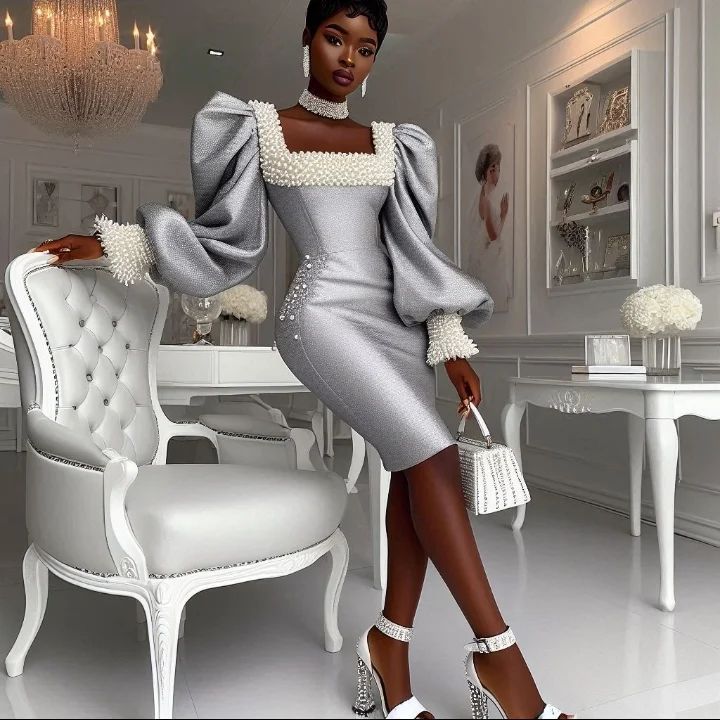
In the shimmering corridors of contemporary feminism, where empowerment is often draped in designer blazers and fueled by high-octane lattes, the ‘Boss Babe’ aesthetic glimmers like a siren’s call. It’s a spectacle of hustle culture crystallized into a look, a brand, a performance—one that marries ambition with aesthetics, turning feminist fervor into a polished currency. Beneath its glossy veneer lies a labyrinth of contradictions: an alluring emblem of empowerment entwined with the sinews of internalized capitalism. This fusion creates a paradoxical narrative that seduces and confines, liberates and commodifies. To unravel this phenomenon, one must delve into the sartorial symbolism, cultural implications, and socio-economic undercurrents propelling the ‘Boss Babe’ glam look into feminist discourse.
The Metamorphosis of Feminism into a Marketable Icon
Feminism, historically, was a roaring revolution against systemic oppression, a cacophony demanding equal rights, dignity, and justice. Today, it often tiptoes through glossy Instagram feeds and curated LinkedIn profiles as a sanitized emblem of success. The ‘Boss Babe’ glam look morphs feminist ideals into sleek, marketable artifacts—a power suit replacing protest signs, red lipstick substituting battle cries. This metamorphosis is not merely aesthetic; it is ideological. Feminism complicitly dons the garb of capitalism, transforming empowerment into an aspirational lifestyle brand. Ambition becomes a commodity; liberation, a carefully packaged product.
The ‘Boss Babe’ Look: A Glossy Armor of Ambition
The ‘Boss Babe’ look is an elaborate incantation of power and femininity distilled into material form. It’s a symphony of sharp tailoring, bold makeup, polished nails, and meticulously curated accessories—a visual manifesto announcing, “I am here to conquer.” Yet, this armor is double-edged. While it conveys authority and assertiveness, it simultaneously enforces a narrow template of acceptability: success must be glamorous, ambitious, and relentlessly upbeat. The aesthetic enforces the notion that to claim space within male-dominated power structures, women must not only match but exceed in performative appearance and unyielding resilience, often at the cost of authentic vulnerability.
Internalized Capitalism: When Empowerment Becomes a Product
At the core of the ‘Boss Babe’ glam look is an unsettling phenomenon: feminism internalized within capitalist paradigms. Empowerment is no longer a communal struggle but an individual achievement measurable in followers, brand deals, and net worth. The ‘hustle’—once a term denoting raw effort—is now sanctified as spiritual doctrine, a gospel of endless productivity. This internalization divests feminism of its radical potential, subtly coercing women to perform empowerment through consumerism. The glossy façade conceals a grind culture that valorizes burnout and self-optimization, blurring the boundaries between liberation and exploitation. Empowerment sells, but it also sells out.
Glamorization as a Double-Edged Sword
Glamorization wields remarkable power. On one hand, it inspires a bold reimagining of women as decisive, confident leaders. The ‘Boss Babe’ becomes a rallying image for young women craving representation and agency. On the other hand, glamorization commodifies femininity in a manner that inadvertently sidelines those who cannot or choose not to conform to its polished ideals. The homogenization of feminist icons into glossy archetypes erases diverse narratives, reducing feminist struggle to a singular, market-driven storyline. It’s a siren’s song that lures many into a gilded cage, where worthiness is as much about appearance as it is about achievement.
The Psychological Toll Behind the Glitz
Beneath the lacquered surface of the ‘Boss Babe’ aesthetic lies a psychological burden seldom acknowledged. The relentless pursuit of perfection—be it in image, output, or lifestyle—inflicts a subtle siege on mental health. Anxiety, imposter syndrome, and exhaustion become veiled companions. The mandate to always appear in control and thriving paradoxically cultivates vulnerability’s invisibility. It becomes a toxic cycle where rest is weakness and failure a taboo, undermining feminism’s foundational ethos of self-care, solidarity, and holistic empowerment.
Reimagining Feminist Empowerment Beyond Capitalist Constraints
To transcend the internalized capitalism embodied by the ‘Boss Babe’ glam look, feminism must reclaim its revolutionary audacity. Empowerment should fracture the monolith of polished ambition, embracing multiplicity in expression, pace, and narrative. Unapologetic authenticity and systemic critique must replace performative hustle and commodified aesthetics. Feminism can, and must, honor the unvarnished realities of struggle without masking them in superstar gloss. Only then can it truly dismantle oppressive structures rather than merely swirling within their glossy eddies.
The Unique Appeal of the ‘Boss Babe’ Aesthetic: A Provocative Mirror
Despite—or perhaps because of—its contradictions, the ‘Boss Babe’ glam look captivates with an intoxicating allure. It is a provocative mirror held up to society’s evolving ideals of power and femininity. Its appeal lies in the audacity to fuse softness with strength, glamour with grit, ambition with aesthetics. This hybrid identity seduces a generation hungry for visibility and validation within spaces historically barred to them. The look’s magnetism is undeniable: it promises transformation, authority, and a seat at the table, all wrapped in a ribbon of high-octane style. Yet, its true power remains contested, oscillating between empowerment and entrapment.