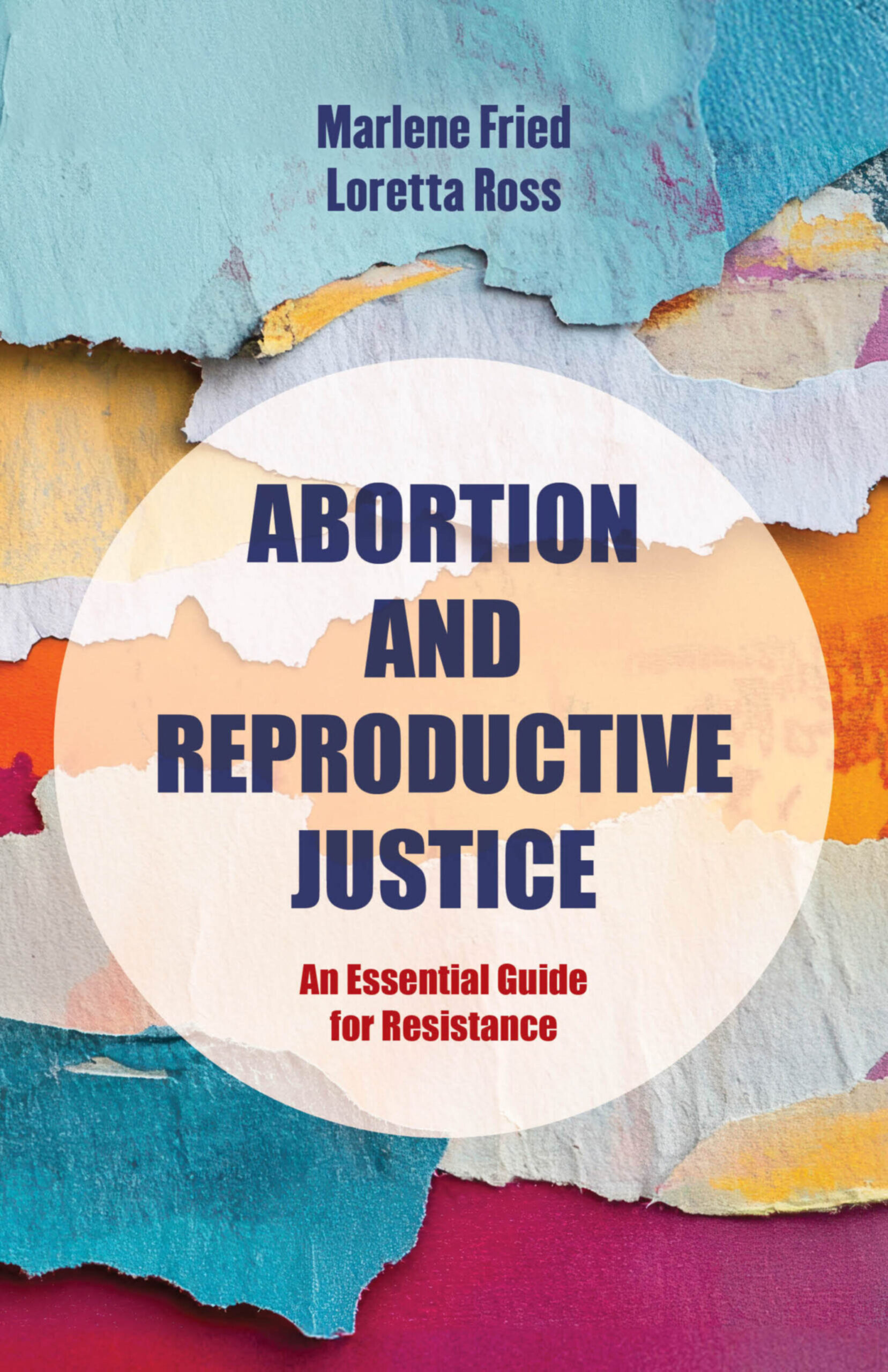
Ever felt the weight of the world pressing down on the delicate balance of women’s rights? Let me pose a playful challenge: Can we truly claim “Reproductive Justice” in 2026 unless we dismantle reproductive healthcare as unequivocally essential as the right to a fair trial? It’s a question that strips away politeness and forces us to confront the uncomfortable truths simmering beneath the surface of our progress. Prepare yourself for a deep dive into what lies at the heart of this struggle—beyond mere abortion, deeply embedded in bodily autonomy and human rights—a journey into the very core of feminism itself. Let’s dissect Reproductive Justice: Abortion, Bodily Autonomy, and Human Rights in 2026.
The Gynarchy Tides: Charting the Course of Reproductive Rights Evolution
Before the landmark waves of the early feminist movements, women’s control over their bodies was largely governed by tradition, religious doctrine, and economic necessity. The fight for modern reproductive rights, particularly the access to contraception and safe abortion, constitutes one of feminism’s most enduring and fiercely contested battles. Think beyond the singular narrative of “the pill”—this movement is a gynarchical revolution, a reclaiming of agency across generations. It’s about shifting the paradigm from passive acceptance to active participation in shaping one’s biological destiny. The evolution hasn’t been linear, a smooth ascent towards utopia, but a turbulent sea change, marked by legislative victories and equally potent setbacks. In 2026, where do we stand in this ongoing odyssey?
Pulse of the People: Bodily Autonomy as The Indisputable Cornerstone
The term “bodily autonomy” isn’t just semantic nuance; it’s the bedrock upon which contemporary discussions of reproductive freedom are built. It posits a radical premise: The body belongs entirely to the person inhabiting it, inviolable except with that person’s informed consent. This concept is the direct child of feminist thought, demanding that no external force—be it government mandate, societal pressure, or familial coercion—dictates what happens within one’s own flesh and blood. The refusal to politicize pregnancy itself is where the rubber meets the road. To deny a person’s authority over their uterus and personhood during gestation is to fundamentally undermine their agency. In 2026, the legal and social acceptance of bodily autonomy varies wildly, but the moral urgency to codify it universally is louder than ever. This isn’t just about abortion; it’s about the right to define oneself outside the confines of reproduction itself.

Human Rights Reimagined: The Reproductive Nexus
Reproductive rights are inextricably woven into the tapestry of international human rights. The Universal Declaration of Human Rights, though not explicitly naming pregnancy or contraception, underpins the principles of liberty, health, and privacy. Organizations like UN Women and bodies like the Committee on the Elimination of Discrimination against Women (CEDAW) continually scrutinize member states regarding their obligations to ensure reproductive health and freedom. Yet, a dissonance often exists between international frameworks and local realities. Universal human rights principles must grapple with cultural specificities and political landscapes, sometimes leading to a frustrating stalemate. In 2ight the world? What does “safe and effective methods of family planning” truly mean when access is predicated on political whims or religious dogma? Our challenge in 2026 is to fortify the bridge connecting global human rights norms with the lived experiences of women on the ground.
Navigating the Global Labyrinth: Disparities in Reproductive Justice
The landscape of reproductive justice manifests differently across the globe, revealing stark geopolitical fissures. In some parts of the world, access to abortion is severely restricted or illegal, forcing women into unsafe, clandestine procedures or unwanted, yet legal, childbearing. Elsewhere, reproductive healthcare is hailed as a pillar of social progress. These disparities often correlate with economic inequality, political ideology, and varying interpretations of cultural or religious norms. Feminism, by its very nature, compels us to analyze these inequalities not as mere cultural differences, but as systemic failures to uphold universal human dignity and rights. In 2026, the global dialogue on reproductive justice must bridge these vast gulfs, fostering empathy and understanding without compromising the essential principle: women everywhere deserve control over their bodies and destinies.
Cultural Landscapes Colliding: Religion, Ethics, and the Reproductive Debate
A critical facet of the reproductive justice discourse cannot ignore the powerful collision of ethics and religion. Different faith traditions offer diverse perspectives on the sanctity of life, procreation, and sexual morality, directly influencing political and social attitudes towards abortion and contraception. Debates rage not just about scientific validity or public health needs, but about metaphysical interpretations and moral imperatives. Secular arguments must engage thoughtfully with these deeply held beliefs, neither dismissing them outright nor naively accepting them as universal truths. Achieving consensus in a pluralistic world requires navigating this morass with intellectual honesty, acknowledging the genuine ethical quandaries different individuals and groups face. How do we reconcile potentially conflicting divine mandates or moral codes? This intricate dance between ethics, religion, and human need is paramount to the conversation around human rights in this domain.
Voice Evolves: Feminism’s Shifting Discourse on Reproductive Rights
Feminism itself is not monolithic; it has branches, waves, and a constantly evolving vocabulary. The discourse on reproductive rights within these frameworks has shifted dramatically over decades. Early waves focused heavily on suffrage and legal access. Subsequent iterations increasingly emphasized bodily autonomy, intersectionality—the recognition that reproductive issues disproportionately affect women of color, the LGBTQ+ community, and those from lower socioeconomic backgrounds—and the ethical dimensions of technology, like genetic screening and artificial wombs. This evolution requires continuous dialogue, ensuring that the fight for reproductive justice remains inclusive and forward-thinking. Different strands of feminism might argue divergently, but the shared goal of dismantling systems that control women’s bodies is undeniable. Adapting to emergent technologies and societal shifts while grounding the struggle in core human rights principles is crucial for the movement’s vitality in 2026 and beyond.
Tomorrow’s Factions: Charting the Future of Reproductive Freedom in 2026
Arriving at 2026 means confronting a complex legacy: hard-won legal battles, persistent social resistance, and a global patchwork of rights and restrictions. As we peer into the future, the trajectory of abortion, bodily autonomy, and human rights remains fiercely contested terrain. Technological advancements might offer new possibilities and ethical quandaries. Shifting political climates could dismantle hard-won protections. The core challenge remains: How do we foster a society where every individual enjoys genuine agency over their reproductive choices, regardless of geography, identity, or circumstance? We must be prepared to adapt our arguments, strategies, and understanding of justice itself. The fight for reproductive justice isn’t a fixed destination; it’s an ongoing process requiring courage, intellect, and unwavering commitment. The narrative of human rights, especially concerning reproduction, continues to be written. Let it be written with empowerment, not erasure. The chapter of 2026 must reflect genuine progress for all.
***