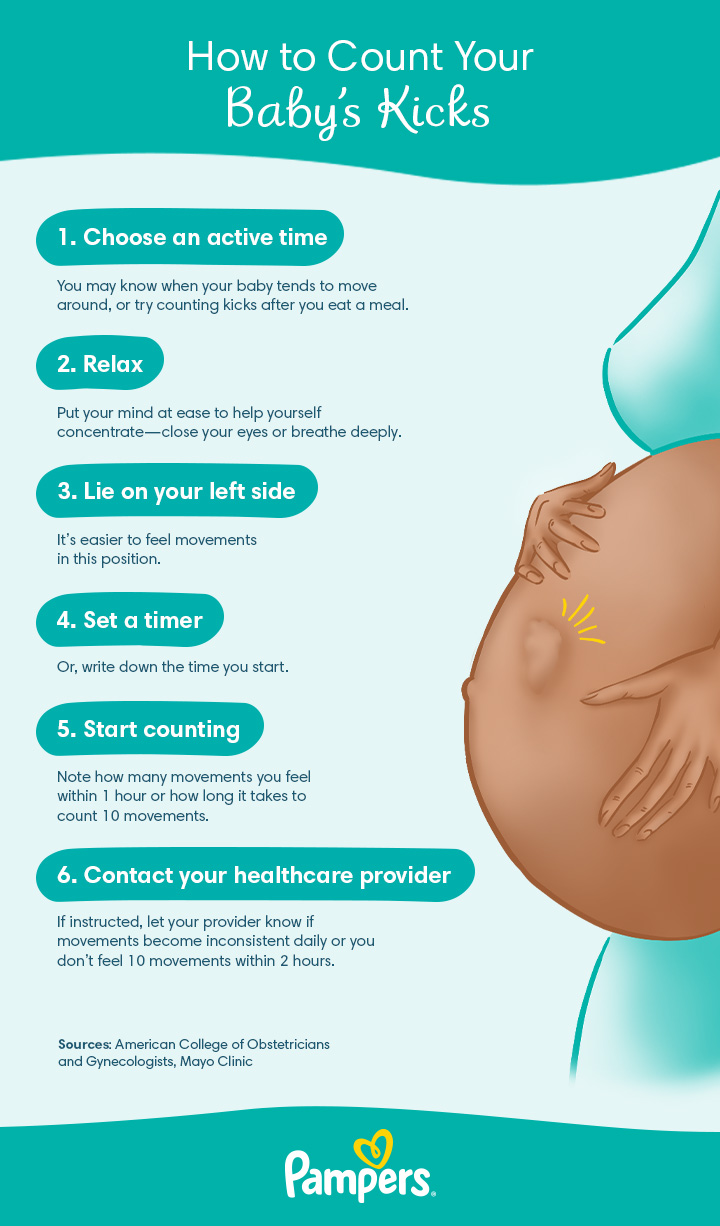
Pregnancy is often romanticized as a luminous journey of creation, a spectacle of nurturing and bonding. Yet beneath the shimmering surface lies an onerous labyrinth of emotional labor that seldom receives the spotlight it deserves. Beyond the physical transformations, this labor involves a relentless mental and emotional undertaking: tracking fetal movements, attending countless appointments, wrestling with fear and uncertainty. Feminism invites us to excavate this demanding terrain with fresh eyes—challenging the sanitized narrative and recognizing the profound weight women carry during this pivotal life chapter.
Unveiling the Invisible: Emotional Labor as a Feminist Concern
Emotional labor, traditionally associated with managing one’s feelings to meet societal expectations, expands when viewed through the lens of pregnancy. This labor is not just personal; it is political. Pregnant individuals navigate a complex web of moods, anxieties, and affirmations shaped by medical discourse, cultural scripts, and gendered expectations. The obligation to maintain composure and optimism in the face of potential loss or complications becomes a Sisyphean task. Feminism disrupts the invisibility of this strain, insisting on its recognition as an essential and valid dimension of the pregnancy experience.
The Ritual of Monitoring: Tracking Kicks as a Form of Emotional Vigilance
Fetal movement tracking—a seemingly straightforward practice—morphs into a charged ritual of vigilance. Each kick is a coded message, a cipher signaling life, wellness, and connection, but also a source of tension. The act demands a precise attunement to the body’s rhythms, transforming every moment into a potential crisis or relief. This practice crystalizes the paradox of pregnancy: the coexistence of wonder and unease, hope and dread. This emotional oscillation underscores the tremendous psychic energy invested in maintaining a semblance of control over the unpredictability of gestation.
Appointments as Emotional Minefields: The Double-Edged Sword of Medical Surveillance
Prenatal appointments are imbued with ambivalence. They are lifelines, checkpoints for safety and reassurance, yet simultaneously arenas where vulnerability is exposed and magnified. The clinical setting can feel alienating, where the pregnant body is dissected into data points and probabilities, stripped of its subjective texture. Fear lurks in every ultrasound image and heartbeat monitor—a shadow cast by the medicalized gaze. These encounters demand emotional resilience, as one oscillates between hope and the fear-triggered paralysis that often accompanies surveillance.
Fear: The Underrated Companion of Pregnancy
Fear is not an aberration in pregnancy; it is an omnipresent companion. The societal imperative to view pregnancy as an unmitigated joy dulls recognition of this fear, further burdening those who carry it. It is the fear of loss, of uncertainty, of physical changes, and the impending societal redefinition of selfhood. Emotional labor in pregnancy is suffused with this constant undercurrent of anxiety, masked by societal expectations of stoicism and positivity. A feminist reframing invites embracing fear as a valid emotional response, validating the complexity of the pregnant psyche rather than sanitizing or marginalizing it.
The Compounded Burden: Intersectionality in Pregnancy’s Emotional Labor
The emotional labor of pregnancy is not experienced uniformly. Intersectional factors—race, class, disability, and access to healthcare—exacerbate or alleviate this labor’s intensity. Marginalized communities often face compounded stressors: systemic medical neglect, economic insecurity, and cultural stigmatization. The feminist perspective illuminates these disparities, advocating not only for acknowledgment but also systemic change to address the multilayered emotional toll. Recognizing this complexity is essential for cultivating empathy and equitable support structures.
Technology and Tracking: Liberation or Enslavement?
Modern pregnancy apps and wearable trackers promise empowerment through data, offering refuge in numbers and trends. Yet, these tools can inadvertently amplify emotional labor, fostering obsessive monitoring and heightened anxiety. Every flutter becomes a data point to be decoded, and each anomaly triggers a spiral of what-ifs. The seductive allure of technological oversight raises critical questions: does it alleviate the emotional burden, or does it deepen surveillance’s grasp? Feminism interrogates this dual-edge, advocating for mindful engagement with technology that respects autonomy rather than enforcing constant scrutiny.
Reclaiming Narrative Agency: From Passive Subjects to Active Storytellers
A radical shift encouraged by feminism is reclaiming narrative agency within pregnancy’s emotional labor. Rather than passively enduring or quietly suffering, pregnant individuals are urged to assert their stories, acknowledge their fears, and express their complexities. This act of storytelling dismantles isolation and fosters solidarity. It challenges the monolithic portrayal of pregnancy as purely celebratory, welcoming messiness and contradiction. In narrating their journey authentically, women reshape societal understanding and insist on emotional labor’s rightful place in the discourse.
The Promise of Cultural Shift: Toward Empathy and Support
Recognizing the emotional labor of pregnancy is not merely academic—it promises a seismic shift in cultural attitudes. By illuminating the psychological and emotional dimensions, society can evolve from reductive ideals to nuanced empathy. Health practitioners can cultivate more compassionate care, workplaces can accommodate needs more thoughtfully, and communities can dismantle stigmas surrounding vulnerability. This transformation is a feminist imperative, advocating for structures that uphold dignity, validate experience, and honor the multifaceted reality of gestation.
Conclusion: Embracing the Unseen Labor to Rewrite the Future
The emotional labor of pregnancy—tracking kicks, attending appointments, navigating fear—is a profound saga threaded with strength, resilience, and vulnerability. Feminism does not seek to diminish the joy of motherhood but to deepen the narrative by acknowledging the unseen, the unsaid, and the uncelebrated. It promises a future where the emotional dimensions are embraced, where pregnant individuals are supported holistically, and where the intricate choreography of emotions is recognized as central to the experience. This shift invites not only a more authentic understanding but a societal reckoning with how we honor those who create life amidst quiet turmoil.