Within the nexus of contemporary feminism and beauty culture lies a paradox as beguiling as it is pervasive—the so-called “Everything Shower” routine. This daily ritual, laden with elaborate steps and an arsenal of products, has become both a battleground and a balm, exposing the relentless burden of maintenance beauty work imposed upon women. Yet, beneath the foam and fragrance, this routine promises something radical: a shift in perspective that could unravel the chains of expectation and redefine autonomy. What if the “everything shower” is not merely an obligation, but a covert act of resistance? This exploration delves beyond the suds to illuminate how this intimate ritual intersects with empowerment, exhaustion, and the reimagining of feminine identity.
The “Everything Shower”: A Ritual of Exhaustive Obligations
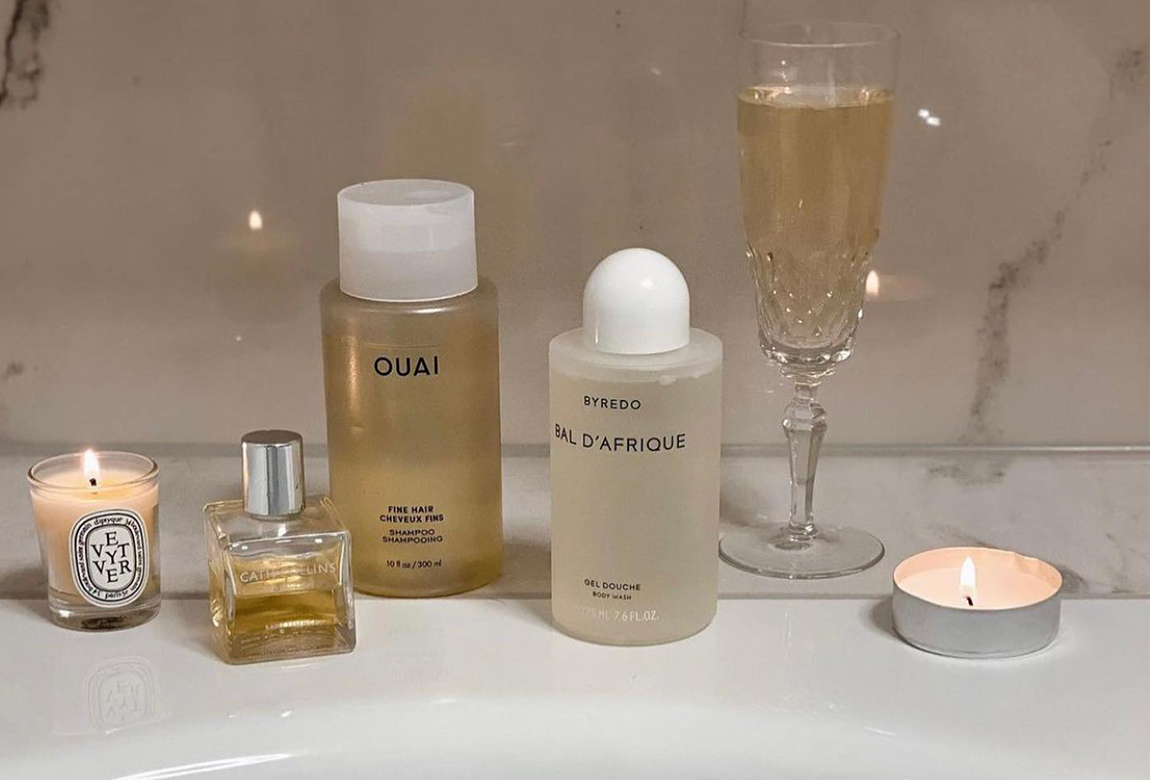
At first glance, the “everything shower” might appear as a self-care indulgence—a serene moment of rejuvenation. But the reality is far more complex. It is a habitual, almost militaristic regimen crafted under the omnipresent gaze of societal scrutiny. From exfoliating scrubs to multiple cleansers, serums, masks, and moisturizers, this ritual symbolizes the Herculean effort expected of women to maintain an ever-flawless façade. This is less about vanity and more about compliance with standards that dictate worth through external perfection. The “everything shower” becomes a quotidian performance, a manifestation of the invisible labor invisibly demanded.
The Burden of Beauty Work: Feminism’s Persistent Struggle
Beauty work—defined as the continuous practices women engage in to alter, enhance, or maintain their appearance—has long been a focal point in feminist discourse. Yet, the “everything shower” amplifies this burden manifold. It encapsulates the tension between autonomy and obligation. While on the surface, it might be framed as personal choice, the underlying impetus is often societal pressure wielded through patriarchal norms. Feminism grapples with this paradox: how to champion bodily autonomy when so many rituals of maintenance are motivated by expectation rather than intrinsic desire. The weight of this expectation is not just physical but existential, casting a shadow on self-worth and identity.
Dissecting the “Everything Shower” as Empowerment and Enslavement
Herein lies a dichotomy worth dissecting. The “everything shower” can be read as an empowering reclamation of care—a deliberate, contemplative act of asserting control over one’s body and time. In a frenetic world that often alienates women from their physical selves, this ritual offers a rare moment to reconnect, to nurture, to envelop oneself in sensory experience. Yet, this empowerment is fraught with contradictions. When the regimen becomes another tick box on the list of feminine capitalism’s demands, it enslaves rather than frees. The tension between liberation and domestication within beauty routines demands a nuanced understanding—one that refuses simplistic categorizations.
The Consumerist Web: Beauty Industry’s Role in Perpetuating the Ritual
Let us not overlook the architects behind this intricate dance—the beauty industry. Its relentless marketing machinery thrives on perpetuating the “everything shower” myth, pushing products that promise transformation and transcendence. This industry, saturated with glossy promises, manufactures not only need but anxiety—anxiety that fuels the desire for more rituals, more products, more time invested in craft. The economic stakes are colossal, and women’s beauty work becomes a lucrative commodity rather than a pure expression of self-care. Feminism challenges this cycle, advocating for mindful consumption and a critical interrogation of the narratives spun around beauty and self-worth.
Intersectionality and the Hidden Labors of Beauty Maintenance
Feminism’s lens broadens when the intersectional dimensions of beauty work are brought into focus. The “everything shower” ritual is not a monolith experienced equally by all. Race, class, ability, and geography profoundly shape how these burdens are experienced. For women of color, specific beauty standards impose their own unique and often harsher expectations. Economic disparities dictate access to the myriad of products and time necessary for these rituals. Moreover, the labor of upkeep extends invisibly to those who assist in maintenance—care workers, hairstylists, beauticians—whose contributions and conditions remain marginalized. Recognizing this layered reality enriches feminist critique and expands solidarity.
Subversion and Reclamation: Towards New Rituals of Selfhood
Amidst the fatigue and resistance, a countercurrent surges. Feminism encourages the subversion of the “everything shower” from a site of compulsion to one of joyful reclamation. This involves reimagining beauty rituals as flexible, intuitive, and self-defined rather than regimented and market-driven. The act of choosing which components truly nourish the self—physically and psychologically—becomes radical. Some embrace minimalism; others customize rituals that honor cultural heritage or personal identity. These new paradigms celebrate imperfection as a form of authenticity and actuate a broader cultural shift away from coercive ideals towards liberated self-expression.
The Psychological Geography of Maintenance Beauty Work
Beyond the physical demands lies the psychological territory shaped by beauty maintenance. The “everything shower” is an arena where internalized standards battle with self-compassion. The ritual can oscillate between therapeutic and tyranny, mediating feelings of control amidst chaos or exacerbating insecurities under the guise of care. This complex emotional landscape calls for deeper acknowledgement within feminist thought, recognizing the nuances of embodiment and mental health. Cultivating empathy for this internal struggle is vital for dismantling the stigma around beauty practices and fostering more inclusive, supportive frameworks of self-care.
Envisioning Futures Beyond the Spectrum of Beauty Burdens
What if the future of feminism in relation to beauty work transcends the current binary of condemnation versus capitulation? Envisioning futures where the “everything shower” morphs into a metaphor of choice rather than obligation demands creative imagination. It requires dismantling systemic pressures while simultaneously honoring individual desires without hierarchy. This future beckons collective redefinition of beauty—diverse, decentralizing, democratized. It calls for solidarity that embraces all expressions of care, whether elaborate or elemental. Ultimately, it urges a cultural paradigm shift—one that unshackles femininity from maintenance burdens and elevates the freedom to define one’s own narrative of self-love and appearance.
The “everything shower” is more than a routine; it is a cultural text dense with contradictions and possibilities. Its study invites us to reconsider feminism not only as resistance to exterior controls but as an embrace of interior sovereignty. To navigate this terrain is to glimpse the alchemical potential in ritual—where obligation can transmute into pleasure, conformity into creativity, and burden into liberation.