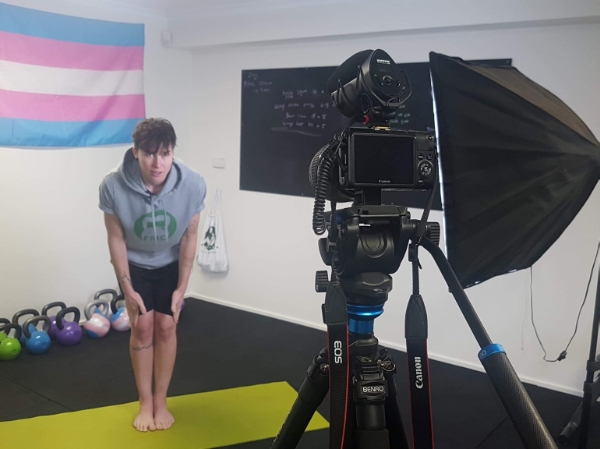
In a world saturated with #fitspiration posts and glossed-over gym selfies, fitness has transcended mere physical health — it has morphed into a complex cultural battleground riddled with gendered expectations and moral imperatives. The fitness industrial complex is not just about sculpting bodies; it is a meticulously constructed arena where societal norms about gender, identity, and virtue converge. This labyrinthine system demands more than sweat and discipline; it enforces an almost ritualistic adherence to gendered fitness codes, making exercise not simply a pursuit of health but a moral obligation fraught with ideological implications.
The Genesis of a Gendered Fitness Paradigm
Fitness, once a neutral terrain of strength and endurance, took a sharp turn as capitalist enterprises seized upon gender norms to define and differentiate bodies. The industrialization of fitness commodified gender, converting workouts into performances aligned with socially prescribed femininity and masculinity. Women were not just encouraged but compelled to embrace regimes promising slimness, flexibility, and “toning” — ideals historically tethered to appearance rather than strength. Men, conversely, were enmeshed in narratives glorifying hypertrophy, power, and dominance.
This duality is neither incidental nor benign; it is a calculated strategy to institutionalize fitness as a normative expression of gender identity. The gym became a theater where morality was inscribed on flesh — where a woman’s commitment to a lean physique became equated with self-discipline and purity, and a man’s pursuit of muscularity with virility and control.
Fitness as Moral Capital: Gendered Obligations and Social Currency
The ethos of fitness in contemporary culture oscillates between empowerment and obligation. Exercising is no longer an option but a tacit requirement; more than just personal health, it confers moral capital. Women’s fitness, in particular, has been weaponized as a litmus test for virtue — a demonstration of self-care, responsibility, and, paradoxically, control over unruly female bodies. This creates a double-bind where failure to conform signals laziness, irresponsibility, or moral decay.
The imposition of these ideals shapes identities and social relations. Fitness adherence is performative, a visible badge signaling belonging and worthiness — a currency relentlessly gendered. While men may wield it as armor for status and authority, women are co-opted into a narrative that their bodies are battlegrounds of cultural purity and societal expectation.
The Aesthetics of Power: Gendered Visual Culture in Fitness
Visual culture plays a pivotal role in perpetuating this gendered fitness complex. Instagram feeds, advertisements, and influencer content are saturated with images that reinforce narrow aesthetics explicitly coded by gender. Women’s fitness imagery frequently glamorizes a slender, supple physique — a delicate balance between strength and sensuality — often blurring the line between health and hypersexualization.
Men’s fitness visuals, in stark contrast, favor exaggerated musculature and brute strength, championing a mythic archetype of masculine invincibility. These images do more than sell workout programs or protein powders; they forge and enforce archetypes that shape desires and self-perceptions. The omnipresence of these visuals coerces adherents into internalizing rigid scripts about what their bodies should look like, aligning success in fitness with moral and gendered worth.
The Silencing of Non-Binary and Diverse Bodies
Amidst this polarized landscape, non-binary, transgender, and gender non-conforming bodies are often sidelined by the binary fitness-industrial complex. The machinery powering fitness culture is largely incapable of accommodating or legitimizing diverse gender identities. This exclusion underscores how deeply fitness is entangled with traditional gender binaries, weaponizing bodily discipline as a method to police not just bodies but identities themselves.
The dismissal or erasure of non-conforming bodies is a symptom of a system that insists on a dichotomized morality — where fitness becomes a means of reproducing normative gender categories rather than dismantling them. This exclusion challenges the ethos of fitness as universally empowering and instead reveals its role as a gatekeeper of gendered morality.
Commercialization and the Reinforcement of Gender Norms
The commercial engines driving fitness culture are complicit in perpetuating gendered moral obligations. Market segmentation, targeted advertising, and product differentiation rely heavily on gendered assumptions. Pink dumbbells and pastel leggings are not mere fashion choices but strategic tools designed to funnel women into a consumer pipeline that narrowly defines fitness participation.
Simultaneously, the promotion of “extreme” masculine workouts bristles with rhetoric that valorizes aggression and dominance, selling not fitness but a gendered ideology wrapped in sweat and iron. These commercial forces construct and enforce what types of fitness are “appropriate” for whom, embedding consumerism within a framework of gendered corporeal ethics.
Resistance and Reimagining: Towards a Non-Gendered Fitness Future
Yet, amid this entangled web of moral imperatives and capitalist interests, fissures are emerging. Activists, trainers, and everyday practitioners are challenging the binary fitness narrative through inclusive, intersectional approaches that de-center gendered expectations. Non-gendered fitness spaces, body-positive movements, and content celebrating fluidity and strength in all forms are forging paths toward liberation.
This wave of resistance insists that fitness must reclaim its foundational premise — health, agency, and joy — without the shackles of moral judgment or gendered prescriptions. It calls for reimagining fitness as a practice rooted in personal narrative, community care, and radical inclusivity rather than adherence to prescriptive ideals.
Conclusion: Decoding the Gendered Morality of Fitness
Fitness is not innocent. It operates as an ideological apparatus that scripts gender roles, enforces moral codes, and commodifies bodies within a capitalist framework. Understanding fitness as a gendered moral obligation exposes the coercive forces shaping not only how bodies are moved but how identities are formed and policed.
Breaking free from this complex demands critical awareness and active resistance against the seductive but restricting narratives that bind fitness to gendered morality. Only then can fitness evolve from a battleground of control into a space of genuine empowerment and freedom for all bodies.