Fashion, in all its multifaceted glory, has long served as both a shield and a shackle for women. Its duality as a mode of empowerment and repression encapsulates the intricate dance between identity, culture, and control. Feminism, through the ages, has grappled with the paradox of attire that simultaneously amplifies autonomy and enforces submission. The history of restrictive clothing offers a profound lens through which we can discern the nuanced dialogues between liberation and constraint, body politics and societal expectation. This exploration ventures beyond mere fabric and stitches, delving deep into the feminist critique and reimagination of fashion as both armor and cage.
The Corset: Tightening the Screws of Patriarchal Beauty
Few garments embody the contentious relationship between fashion and feminism more vividly than the corset. Once the quintessential emblem of feminine allure, it constrained the female form into an exaggerated feminine ideal—was it a silhouette or a straitjacket? The corset compressed ribs, displaced organs, and restricted breath, an intimate violation masked in lace and satin. Yet, it was also a symbol of social status and identity, a sartorial language in the hierarchy of womanhood.
Feminists of the late 19th and early 20th centuries decried the corset as an overt manifestation of patriarchal control, a tactile enforcement of limited freedom. Movements such as dress reform emerged, advocating for liberation not only in political or intellectual spheres but also at the level of what women could physically inhabit. However, the story is not purely one of victimhood. Some women wielded the corset as an instrument of power, manipulating its constriction to command attention and dictate presence within rigid social frameworks.

The Hoop Skirt and Bustle: Architecture of Femininity
Expanding the conversation beyond the corset, the hoop skirt and bustle illustrate the architectural extremities imposed upon the female body. These voluminous contraptions constructed an exaggerated silhouette that transformed women into living sculptures, both admired and immobilized. The physical act of navigating through doorways or sitting down demanded assistance—gear that robbed women of autonomy under the pretense of elegance.
This deliberate encasement functioned as a corporeal metaphor for the circumscribed roles women were expected to inhabit. Feminist interpretations declaim the bustle and hoop skirt as symbols of societal expectations—being seen yet not heard, contained within a prescribed spatial and behavioral perimeter. Their impracticality laid bare the performative nature of gender norms and the extent to which fashion became an apparatus of social regulation.
Restrictive Chastity Devices: The Intersection of Control and Consent
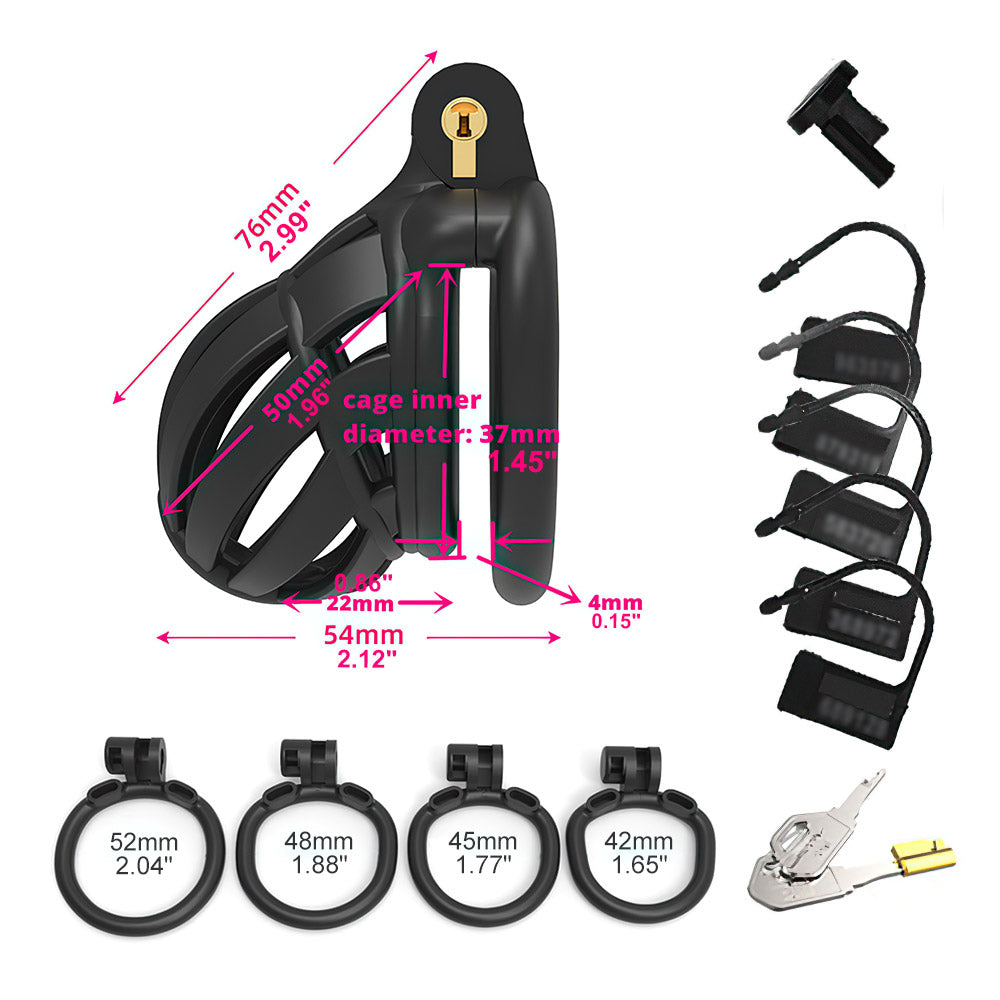
Perhaps the most provocative nexus of fashion and feminism arises with restrictive chastity devices—garments purpose-built to control sexuality itself. These devices push the conversation into the realm of bodily autonomy, exploring themes of consent, power dynamics, and the politicization of female desire. Viewed through a feminist lens, their history and modern reinterpretations challenge binary notions of oppression and empowerment.
Within patriarchal structures, chastity devices symbolize control over female bodies, denying freedom of sexual expression. Yet, contemporary feminist discourse explores alternative narratives where agency is reclaimed: where such garments, when employed consensually, become instruments of self-exploration, eroticism, and subjective freedom. This tension encapsulates the mutable meanings of restrictive fashion—transforming from cage to armor depending on the wearer’s intent.
Workwear and Uniforms: The Armor of Equality
Restrictive clothing is not solely a vehicle for suppression; it can serve as armor, a badge of solidarity and empowerment. Feminism’s engagement with workwear and uniforms reveals clothing as a radical tool in the struggle for equality. From the suffragettes adopting tailored suits to women in industrial roles donning overalls, fashion morphed into a pragmatic declaration of capability rather than delicateness.
Such attire subjected women to new forms of restriction—physical discomfort or social censure—yet simultaneously shattered aesthetic stereotypes. Uniformity in dress conferred a collective identity, bolstered camaraderie, and erased markers that trivialized women’s professional worth. This functional fashion embodied resilience, challenging traditional boundaries through sartorial defiance.
High Fashion and the Fetishization of Restriction
Modern high fashion thrives on the provocative interplay between freedom and constraint. Designers frequently appropriate elements of restrictive clothing, transforming them into symbols of fetishized beauty and rebellion. Through exaggerated silhouettes, tight tailoring, and bondage-inspired accessories, fashion interrogates and complicates the legacy of restrictive apparel.
Feminist critique here is twofold: it questions the glorification of discomfort as artful and exposes the commodification of female pain and control for aesthetic consumption. Yet, simultaneously, it acknowledges the agency of wearers to wield these garments as statements—conquering space, redefining desire, and manipulating perception. This dialectic underscores the persistent ambiguity of fashion as both weapon and wound.
Technological Innovations: Reimagining Restriction
The advent of technology and material innovation propels the dialogue on restrictive clothing into uncharted territories. Modern textiles, 3D printing, and smart fabrics challenge traditional limitations, offering new modes of interaction between body and garment. Feminist designers leverage these advancements to reconfigure restriction, creating pieces that adapt, respond, or empower.
From shape-shifting garments that accommodate bodily autonomy to wearable tech that amplifies personal boundaries, technology disrupts the historical narrative of fashion as mere constraint. It offers a framework whereby armor need not be prison; cages can become sanctuaries. This transformative potential reaffirms feminist aspirations to harmonize aesthetics, agency, and activism.
Conclusion: The Paradox of Fashion in Feminist Discourse
The history of restrictive clothing within feminism is not a monolithic tale of victimhood or victory but a complex interplay that resists easy categorization. Fashion as armor and cage embodies the paradoxes of female existence—strength and vulnerability, visibility and invisibility, autonomy and control. It challenges us to reconsider the boundaries of self-expression and societal influence.
By unraveling the threads of restrictive apparel, feminism exposes the cultural codes embroidered on the female body. It unsettles normative definitions of freedom and invites a reimagined future where fashion transcends its historical shackles to become a site of genuine choice, empowerment, and transformative power.