In the dazzling labyrinth of contemporary beauty—where empowerment often masquerades as conformity—the eyelash extension industry stands as a prime example of a captivating paradox. Feminism, for all its transformative ambitions, encounters an intriguing battleground nestled between the allure of elongated eyelashes and the invisible shackles of what can be aptly dubbed the “Eyelash Extension Industrial Complex.” At stake are time, money, and glue: three deceptively simple elements that together weave a narrative far more complex than the mere adornment of one’s lashes. Join this exploration into the seductive machinery that encircles the modern woman’s pursuit of beauty and liberation.
Glamour and the Fetishization of the Eye
Eyes have forever been the locus of allure, seduction, and expression. Yet, the modern obsession with eyelash extensions transcends mere aesthetics, morphing into a powerful cultural statement. Long lashes are not just cosmetic enhancements; they symbolize vitality, youth, and desirability. This fetishization taps into deep-rooted societal imprints that condition women to believe that their gaze—enhanced, amplified, fabricated—carries indispensible worth. The eyelash extension industry capitalizes on this primal fixation, redefining eye beauty along a narrow, commercial lens.
The cumulative effect? An implicit mandate that women persistently “upgrade” their physical selves to retain social capital and self-esteem. The natural eye, unadorned and raw, becomes insufficient in a world that celebrates artificial perfection. This metamorphosis of an intimate feature into a commodified spectacle eloquently captures how beauty and feminism collide and, at times, collide disastrously.

Time as a Subtle Currency of Compliance
While money is the overt transaction fueling this industry, time operates as its covert capital. Eyelash extensions demand commitment—not just in the initial application but in repeat upkeep, touch-ups, and occasional removals. Each salon visit becomes a carefully scheduled ritual, a recurring investment of hours in one’s calendar that could be spent in myriad self-actualizing ways.
More than a treatment, the process morphs into a paradoxical form of imprisonment disguised as choice. Women willingly surrender tens of hours monthly, tethered to standards perpetuated by media and peer pressure. The glossy veneer of empowerment masks a stark reality: time, arguably the most finite and precious resource, is commoditized under the auspices of beauty. The eyelash extension industry, cloaked in promises of effortless glamor, perpetuates this cycle of temporal consumption with enviable efficiency.
The Economies of Glam: Where Money Becomes More Than Currency
Monetary expenditure in the eyelash extension scenes extends well beyond conventional retail. It’s an ecosystem of services, products, and aftermarket necessities—ranging from premium adhesives to specialized aftercare. The initial fee is but a gateway to an ongoing financial commitment that accrues interest in the form of salon visits, maintenance kits, and often, replacement costs borne when extensions falter prematurely.
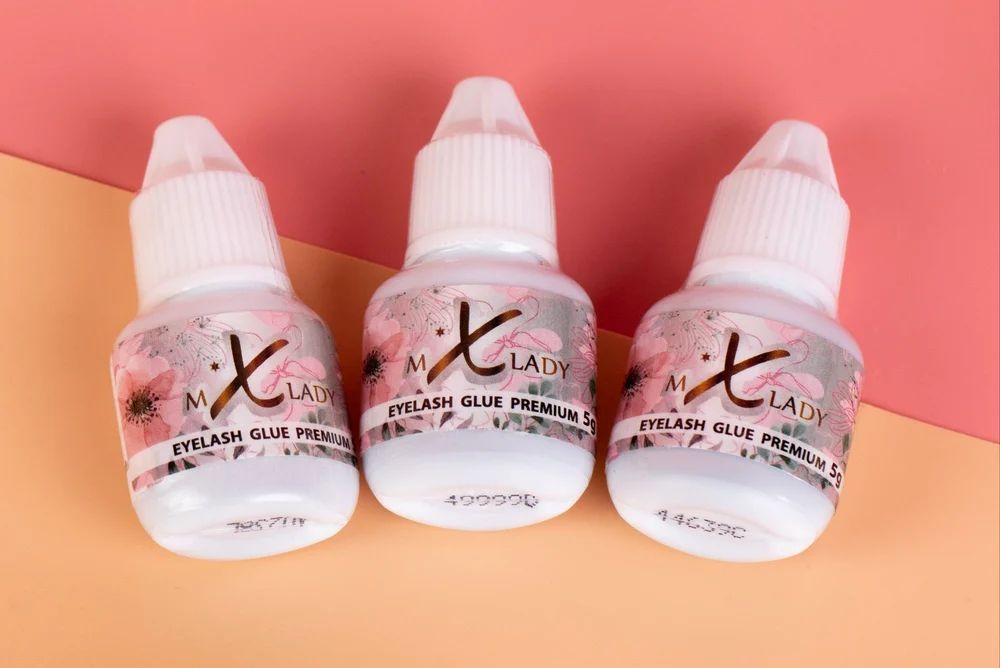
In this economy, glue epitomizes more than adhesive—it symbolizes the unseen costs that bind participants to a relentless cycle of consumption. High-grade eyelash extension glue promises durability and safety, yet the pursuit of legitimacy and longevity often leads to escalating expenses. Beauty, then, becomes a calculated investment with luxury brands and local boutiques jockeying for oligopolistic dominance. This market dynamic extracts payments not only from wallets but also from psychological well-being, as consumers wrestle with balancing desire and affordability.
Glue: The Unsung Architect of Artificial Glamour
Among the trio of elements—time, money, and glue—adhesive is both literal and metaphorical glue holding the eyelash extension industrial complex together. Not just any glue, but formulas engineered for resilience and skin sensitivity, embodying a nexus of chemistry and craftsmanship. Yet, beneath the surface, glue represents binding forces that complicate autonomy, symbolizing societal pressures that fuse aesthetic trends with conformity.
The act of glueing false lashes encapsulates the tension between natural identity and curated appearance. It is a delicate balancing act of enhancement and concealment, where beauty is both fabricated and fragile. While innovators work to improve formulas to mitigate allergic reactions or damage, the reliance on chemical adhesives also opens discourse on beauty’s health implications, sustainability, and ethical consumption—all vital considerations often glossed over by infatuated consumers.
Feminism at the Crossroads: Empowerment or Ensnarement?
This industrial complex exposes feminism to a critical interrogation: Does the act of beautification through eyelash extensions signify emancipation or an insidious form of compliance? At its best, self-expression through beauty rituals like eyelash extension can reclaim agency—an unapologetic assertion of control over one’s body and image. Feminism champions the right to choose, to adorn oneself freely without societal censure.
However, when choices are inextricably intertwined with commercial diktats, internalized beauty ideals, and systemic gendered expectations, autonomy blurs into acquiescence. The eyelash extension industrial complex challenges feminism to dissect the labyrinth of consent versus coercion, to distinguish liberation from consumerist enslavement. This demands that feminism evolve its critique beyond outright rejection or endorsement of beauty norms to a sophisticated recognition of context, nuance, and individual narrative.
Beyond the Surface: Cultural and Psychological Reverberations
Far from vanity alone, the persistent engagement with eyelash extensions has profound psychological reverberations. Women might experience heightened confidence and social validation while simultaneously battling insecurities tethered to maintaining a flawless façade. Such cognitive dissonance underscores the paradoxical emotional labor embedded in beauty regimes.
Culturally, the industrious expansion of eyelash extension services mirrors broader dynamics of globalization, digital influence, and the democratization of trends. Social media’s relentless glamorization propels demand, transforming local salons into hubs of aspirational fulfilment. The resulting cross-pollination of aesthetic ideals shapes identities and communities, creating connections yet also exacerbating fissures around access, class, and authenticity.
Charting A New Path: Conscious Consumption and Critical Awareness
To navigate the eyelash extension industrial complex with intellectual clarity and feminist rigor, consumers and creators alike must adopt conscious consumption practices. This includes interrogating motives, understanding the lifecycle of beauty products, and advocating transparency from industry players about ingredient sourcing, safety standards, and labor ethics.
The path forward embraces choice with responsibility, where beauty rituals are reimagined as acts of mindfulness rather than compulsions. Knowledge of the literal and figurative glue binding this landscape empowers women to reclaim narratives on their own terms—where glamour and agency coexist without compromise.
The eyelash extension industrial complex is not merely a cosmetic phenomenon; it is a cultural crucible where feminism, commodification, and identity converge. Understanding its intricate threads reveals that beneath every flutter lies a story of struggle, negotiation, and the relentless quest for authenticity in a world fixated on surface.