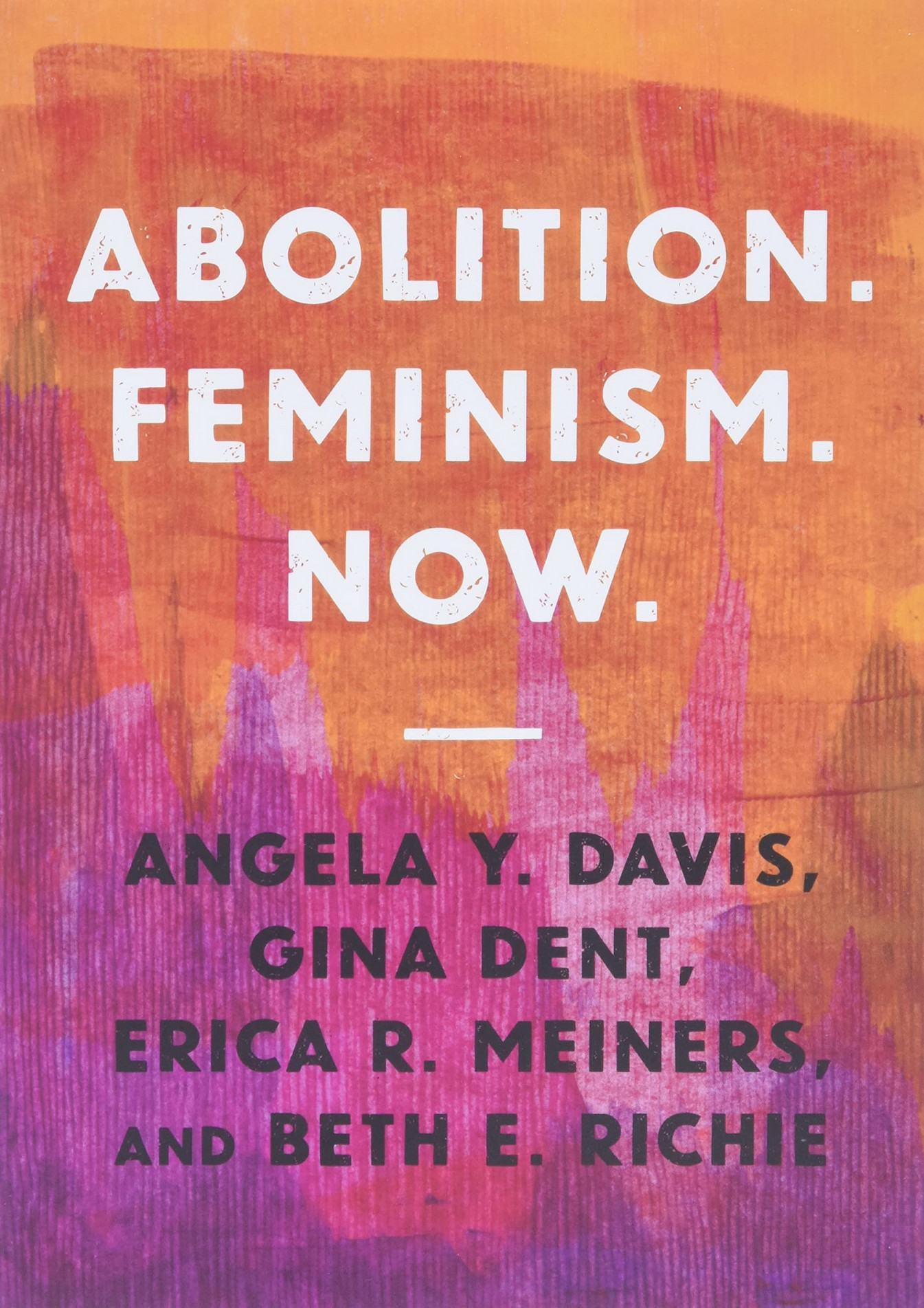
Imagine a towering castle built on the fragile foundation of “protection.” It promises safety, order, and justice within its cold stone walls, yet the moat it encircles is filled with exclusion, violence, and the persistent erosion of freedom. This castle is our current policing system—a fortress that cloaks itself in the virtue of protection while perpetuating harm, especially toward marginalized communities. Abolitionist feminism shatters this illusion of sanctuary, refusing to acquiesce to the fallacy that policing is synonymous with protection. Instead, it wields a magnifying glass to the systemic rot beneath the surface, demanding a radical reimagining of safety, accountability, and justice.
The ‘Protection’ Fallacy: A Mirage in the Desert of Justice
At the heart of mainstream discourse lies the seductive myth that policing is a benevolent guardian, a shield against chaos and harm. It is a narrative carefully crafted and relentlessly propagated—a chimera that convinces society to accept carceral power as the natural and necessary response to danger. Yet, this so-called protection often manifests as a double-edged sword, disproportionately wielded with brutality against those whom society deems troublesome or expendable.
Rather than a beacon of safety, policing frequently operates as an oppressive force, entrenching systemic inequalities. The promise of protection breaks down into a fragmented reality where certain bodies—particularly Black, Indigenous, trans, and queer bodies—are criminalized and surveilled, while others are left insulated by social privilege. The ‘protection’ is neither impartial nor universal, but a selective weapon calibrated by historical and racialized violence.

Abolitionist Feminism: Peeling Back Layers of Carceral Violence
Abolitionist feminism is not merely an academic theory or fringe ideology; it is a clarion call to dismantle the machinery of oppression and envision a world where justice transcends incarceration. Unlike reformist approaches that seek to patch the castle’s cracks with better stones or kinder guards, abolitionist feminism seeks to raze the entire structure.
This branch of feminism weaves together the threads of gender justice, racial liberation, and anti-carcerality, revealing how policing is entangled with patriarchal and colonial violence. It insists that the so-called protection offered by police is a smokescreen for controlling bodies, especially those of women, queer people, and racialized communities, in a way that enforces dominant norms and punishes transgressions.
By analyzing carceral systems through a feminist lens, abolitionist feminism uncovers how policing perpetuates gendered violence rather than alleviating it. For instance, survivors of intimate partner violence often encounter re-traumatization when seeking help from police, who may dismiss, blame, or even violently intervene against them. Thus, the institution branded as ‘protector’ too often exacerbates the very harms it claims to prevent.
Reimagining Safety Beyond Cages and Criminal Injustice
To truly confront the protection fallacy, abolitionist feminism advocates for a seismic shift from reactionary law enforcement to proactive community-based approaches. Safety, under this paradigm, is not measured by the number of arrests or the length of prison sentences but by the health, autonomy, and empowerment of individuals and communities.
Envision a tapestry of resources woven from mental health support, restorative justice practices, accessible housing, education equity, and economic opportunity. This is a landscape where harm is addressed through dialogue and healing—not punishment. In this framework, accountability is a process of transformation, not mere retribution.
Moreover, abolitionist feminism challenges society to question deeply ingrained assumptions about violence and victimhood. It urges a radical empathy, understanding that harm is often a symptom of historical disenfranchisement and structural neglect. Safety thus becomes a communal endeavor—a collective nurturing of environments where all can thrive without fear.
The Unique Appeal of Abolitionist Feminism: A Fierce Compassion
Abolitionist feminism captivates because it refuses complacency. It does not offer easy answers or simple compromises. Instead, it galvanizes fierce compassion—a revolutionary tenderness that demands dismantling systems of oppression while creating nurturing alternatives. It is a defiant insistence that protection must mean liberation, not incarceration.
This feminism wrestles with complexity, navigating the uncomfortable terrain between calling out harm and envisioning a radically different future. It embraces the paradox of being both radically hopeful and brutally honest, refusing to be co-opted by reformism while sustaining an unwavering commitment to justice.
What sets abolitionist feminism apart is this alchemy of rage and love. It harnesses the anger against systemic failure but channels it towards building rather than destruction. This duality crafts a compelling narrative that resonates deeply with those who have been failed by carceral systems yet remain resolute in imagining what safety can genuinely mean.
Conclusion: The Future of Feminist Safety is Abolitionist
The myth of policing as protection is a seductive mirage that obscures the ruthless reality of carceral violence. Abolitionist feminism does more than debunk this illusion; it envisions an entirely new realm where safety is uncoupled from surveillance and punishment. By centering the experiences of those most marginalized, it offers a blueprint for justice that is reparative, inclusive, and revolutionary.
This vision invites us to dismantle the fortress brick by brick, replace the cold stone with bridges, and fill the moat with channels of care. In doing so, abolitionist feminism challenges us not merely to rethink what protection means, but to reimagine the very foundation upon which our societies can build true freedom and equality.