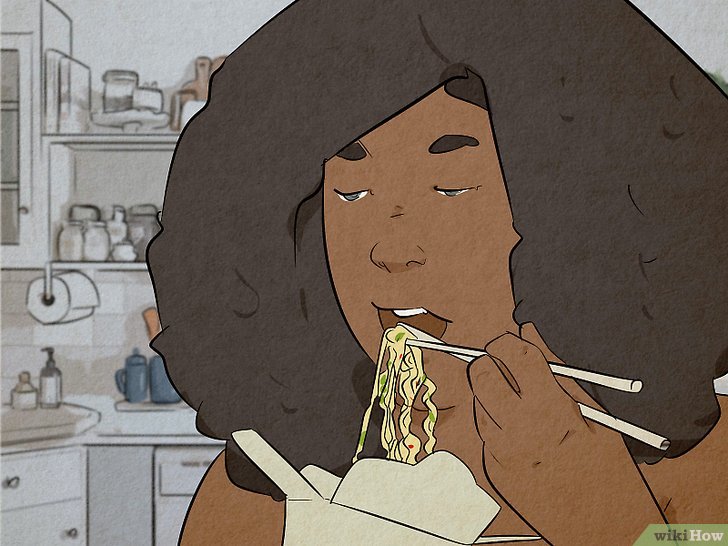
In a world where the politics of the plate often go unnoticed, the rise of the “girl dinner” phenomenon offers a fascinating lens through which to dissect modern feminism’s complicated relationship with food, self-image, and autonomy. The seemingly innocuous viral trend—featuring minimalist, fragmented, sometimes disparate food items arranged in lieu of a proper meal—has captivated and perplexed social media users alike. What appears as a whimsical choice or a quirky aesthetic actually opens the door to a deeper discourse on how under-eating and the romanticization of scarcity intersect with feminine identity, societal expectations, and the persistent cultural gaze that molds women’s relationship with nourishment.
The Aestheticization of Under-Eating: Why “Girl Dinner” Attracts Us
At first glance, the “girl dinner” is an arresting tableau of half-portions, segmented snacks, and deliberately casual compositions. It capitalizes on a visual economy where less is more—minimal, deliberate, and suggestive of discipline. This fragmented meal format is aesthetically constructed to convey a complex narrative of control and restraint, often overshadowed by the overt playfulness of sharing it online. The fascination lies not just in its superficial charm but its subliminal messaging. The trend taps into an ingrained cultural script where the ideal woman effortlessly exhibits control over her body, her diet, and by extension, her willpower—turning food into an arena for the silent assertion of power through absence.
There’s a paradoxical allure in seeing these pared-down meals. They both repulse and intrigue. On one hand, the restrained portions evoke the specter of deprivation—an embodied echo of dieting culture’s insidious reach. On the other, the ritualization of these “girl dinners” signals a subtle rebellion against traditional dining norms. It’s a coded language of compliance and defiance intertwined. Fascination blooms from this tension: the aesthetic appeal paired with the unsettling undertone of self-denial, paired with empowerment.
Feminism’s Uneasy Courtship with Dietary Control
Feminism—at its core—is about dismantling oppressive structures, reclaiming agency, and celebrating bodily autonomy. Yet, the persistence and popularity of the “girl dinner” phenomenon exposes fissures in this ideological framework. While feminism advocates liberation through self-expression and self-care, it simultaneously contends with societal diktats that idealize thinness and ingested control as feminine virtues.
The “girl dinner” inadvertently mirrors these conflicting dynamics. It reveals how feminist narratives sometimes grapple with internalized expectations of self-surveillance and bodily management. Perhaps it is a silent concession to the conditioning that equates lightness on the scale with lightness of burden—a misconstrued badge of feminine grace and resilience. This co-option of control under the guise of choice underscores how deeply entrenched cultural codes of femininity and performance remain, even within movements aimed at liberation.
Scarcity as Symbol: The Subtext of Minimalism in Female Eating Habits
The allure of minimalistic meals—small, segmented, conspicuously curated—is not unique to the “girl dinner” but echoes a long historical narrative where scarcity becomes a symbol of virtue, worthiness, or social positioning in women’s lives. Historically, women have traversed spaces laden with expectations to appear delicate, dainty, and “managed.” Food scarcity, whether imposed or self-enforced, often transmutes into an emblem of moral discipline or socioeconomic signaling. To consume less is to reveal an earnest engagement in self-regulation, one that society frequently rewards with admiration or envy.
“Girl dinner” feeds into this discourse, subliminally valorizing not abundance but strategic paucity. Its romanticization of under-eating is an iteration of scarcity fetishism, a silent yet potent commentary on how female bodies are conditioned to exist in states of controlled lack. The trend, in this light, serves as both a reflection and reinforcement of gendered expectations of self-limitation, blurring the line between autonomy and compliance.
The Digital Stage: Social Media’s Role in Amplifying and Perpetuating the Trend
The proliferation of “girl dinner” posts is a quintessential product of the digital age, where identity, performativity, and visibility intertwine in a labyrinth of likes, shares, and viral validation. Social media platforms have transformed the act of eating into an exhibition of curated selfhood, where consumption is less about sustenance and more about signaling alignment with aesthetics, values, and communities.
In this space, “girl dinner” becomes a performative ritual—a staged depiction of control, simplicity, and aesthetic ethos that resonates deeply with an audience hungry for both relatability and aspiration. The cyclical reinforcement through likes and comments crystallizes this fragmented eating style as a desirable, even aspirational, form of feminine expression. Yet, this amplification risks glossing over the underlying pathology of restrictive eating behaviors, normalizing under-eating as a fashionable statement rather than a health concern. Social media thus acts as both mirror and magnifier, reflecting social anxieties and simultaneously entrenching problematic narratives.
Implications for Feminist Discourse and Body Positivity
The rise of “girl dinner” compels feminist scholars, advocates, and individuals alike to reckon with the nuanced contradictions within the movement as it relates to body politics. It challenges the simplistic dichotomy of empowerment versus oppression by presenting a phenomenon where choice and coercion are intricately entangled. To reject or shame the trend outright risks invalidating the lived experiences of those who find autonomy and identity within its framework. Conversely, blind acceptance risks complicity in perpetuating harmful ideals around consumption and self-worth.
Effective feminist discourse must therefore navigate this grey zone—addressing the cultural, psychological, and social factors that fuel the romanticization of under-eating without reducing individuals to mere subjects of pathology. It demands a critique that appreciates complexity and foregrounds holistic well-being alongside freedom of expression.
Conclusion: Beyond the Plate, Toward Genuine Autonomy
The “girl dinner” is more than just a viral trend or a whimsical eating habit; it is a cultural artifact that reveals the ongoing tensions in feminism’s engagement with female embodiment, control, and nourishment. Its aesthetic allure is inseparable from the social scripts of scarcity and discipline inscribed upon women’s bodies, inviting us to look beyond superficial charm and interrogate the deeper societal currents at play.
Ultimately, dismantling the romantic allure of under-eating requires fostering environments where abundance, health, and autonomy coexist without contradiction. It demands a collective reimagining of what feminine empowerment looks like—one that transcends fragmented plates and embraces fullness in all its dimensions.