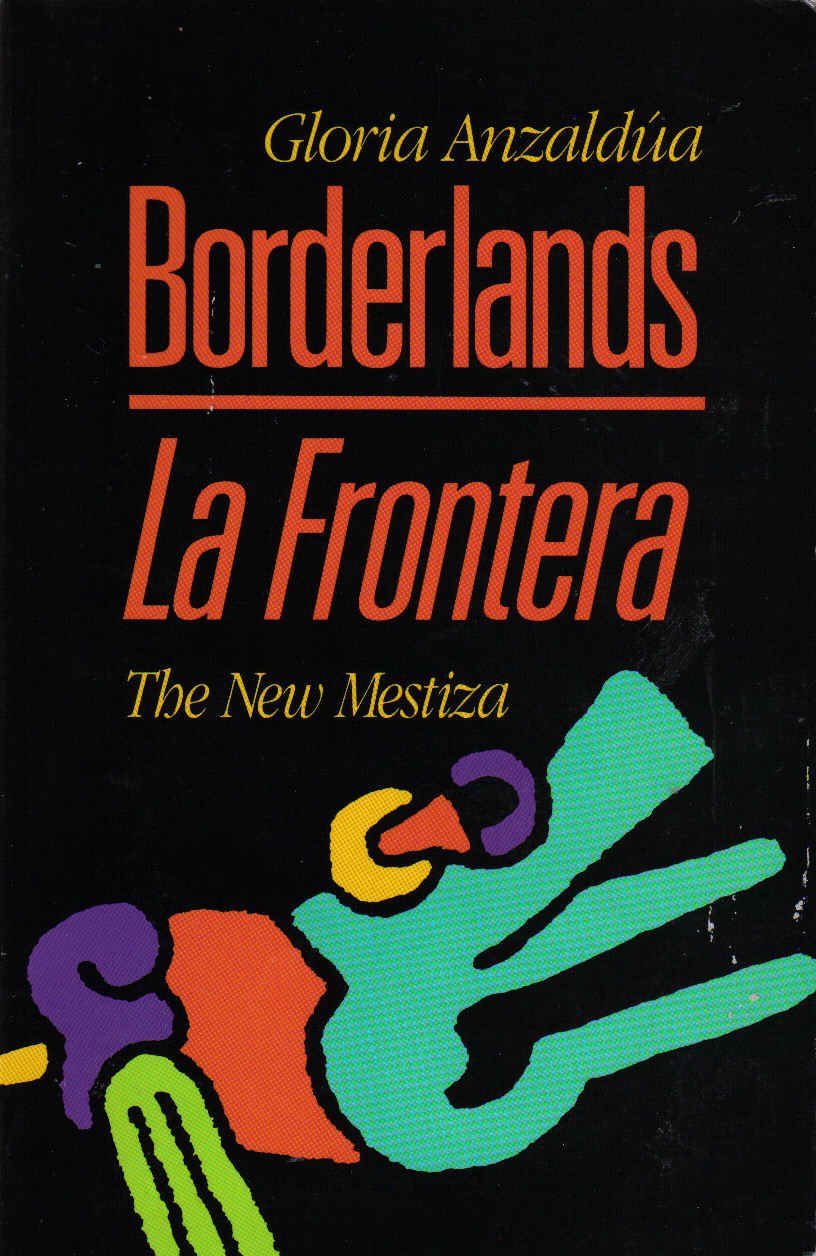
Feminism has always been a dynamic battleground—a terrain where identities clash, intersect, and evolve. Among the myriad voices pushing the boundaries of feminist theory, Gloria Anzaldúa stands as an indomitable force, reshaping how we grasp the intersectionality of identity, culture, and resistance. Her groundbreaking concept of borderlands transcends mere geography, capturing the psychic, cultural, and political hybridity faced by Chicanas and other marginalized groups. This exploration ventures into the heart of Chicana feminist theory, unearthing the profound narratives and radical implications woven through Anzaldúa’s work.
Defining the Borderlands: More than a Physical Space
At the core of Anzaldúa’s theory lies the concept of the borderlands—not simply the literal boundary between the United States and Mexico, but a metaphorical and spiritual site of hybridity and contradiction. It embodies the intersection where disparate cultures, languages, identities, and political realities collide. The borderlands are fragmented yet fertile ground, a liminal space that fosters resilience and complexity instead of homogeneous narratives.
This space defies easy categorization. It resists binary thinking—here/there, us/them, male/female—and instead demands a fluid understanding of identity that embraces contradictions and multiplicities. For Chicana feminists, the borderlands symbolize an internal and external struggle: navigating multiple worlds while forging a new consciousness that challenges dominant hegemonies.
Chicana Feminism: A Rebellion Within and Against
Chicana feminism is not a mere extension of mainstream feminist discourse. It emerges as a rebellion against the erasure and marginalization experienced at the intersections of race, class, culture, and gender. Gloria Anzaldúa amplifies this defiance by interrogating how institutionalized patriarchy within both Anglo and Mexican traditions suppresses Chicana voices. Her theory insists on the necessity of reclaiming indigenous roots, language, and spirituality, destabilizing colonial legacies that shape identity.
At the same time, Chicana feminism critiques the limitations of white feminist paradigms that often overlook the complexities of ethnic and cultural identity. Anzaldúa’s work propels a tough critique—one that demands inclusivity and acknowledges that universalist feminist ideals often exclude racialized and cultural experiences, thereby necessitating distinct perspectives and strategies.
Language and Mestiza Consciousness: Tools of Empowerment
The linguistic terrain is central to Anzaldúa’s feminist project. Bilingualism and code-switching are not merely pragmatic but political acts of resistance that challenge linguistic imperialism and cultural homogeneity. The embrace of Spanglish—an amalgam of English and Spanish—becomes a symbol of “mestiza consciousness,” an identity forged in hybridity and contradiction.
Mestiza consciousness, as Anzaldúa contends, is the ability to tolerate ambiguity and contradiction without succumbing to fragmentation. It is an epistemological framework that acknowledges multiplicity, conflicts, and transcendence. This consciousness liberates Chicanas and other marginalized individuals by validating their complex identities rather than forcing them into rigid categories.
Spirituality and the Quest for Wholeness
Integral to Anzaldúa’s feminist theory is a spiritual dimension often absent from conventional feminist discourse. She evokes indigenous spirituality and mystical traditions as sources of healing and empowerment. This spiritual reclamation challenges the colonized mind’s disconnection from ancestral knowledge and the natural world.
For Chicana feminists, spirituality is not divorced from socio-political struggle but deeply entwined with it. It fosters a holistic vision where healing and resistance coalesce, enabling the self to surmount imposed divisions. The journey through the borderlands is also a pilgrimage toward wholeness, demanding an embrace of shadow and light alike.
Intersectionality Before Intersectionality: Multiplicity of Oppressions
Long before the term gained prominence, Anzaldúa’s writing illuminated the layered oppressions that shape the lives of Chicanas. She refuses to isolate gender from race, class, culture, or sexuality. Instead, she exposes the interlocking systems of domination that enforce inequality and silence.
This multifaceted oppression necessitates an equally complex mode of resistance—one that is attentive to nuance and refuses reductive coalitions. In doing so, Anzaldúa anticipates modern intersectional feminist theory but roots it firmly within specific cultural and historical contexts. Her work insists on radical empathy and the dismantling of hierarchical structures at all levels.
Art, Writing, and the Body as Sites of Resistance
Anzaldúa’s feminist praxis transcends theory, embedding itself in the creative act. Through poetry, prose, and visual arts, she disrupts dominant narratives and reclaims the body as a site of knowledge and insurgency. Writing becomes an act of survival and a revolution—a way to articulate pain, desire, and identity from the margins.
The body, too, emerges as a contested terrain, subjected to colonial, sexist, and racialized violence. Chicana feminist theory acknowledges this corporeal reality, harnessing art to transform trauma into empowerment and silence into voice. This embodied resistance challenges normalized discourses and reconfigures feminist politics at their core.
Legacy and Contemporary Relevance
The potency of Anzaldúa’s borderlands theory continues to reverberate across disciplines and movements. It inspires contemporary feminists, queer theorists, and activists who grapple with questions of identity, displacement, and sovereignty. Her insistence on embracing paradox and multiplicity offers vital tools to confront today’s polarized political climate.
Moreover, the theory encourages a relentless reevaluation of what it means to belong, resist, and redefine culture in flux. It invites readers to inhabit their own borderlands, confronting contradictions and celebrating difference as sources of strength. In an era of cultural upheaval and fragmentation, Anzaldúa’s legacy is more provocative and necessary than ever.
Feminism, through the lens of Gloria Anzaldúa and Chicana feminist theory, becomes a radical reimagining of self and society—a ceaseless negotiation within the borderlands of identity and power. It demands courage, creativity, and a refusal to settle for simplistic binaries, inviting all who dare to cross into new territories of thought and being.