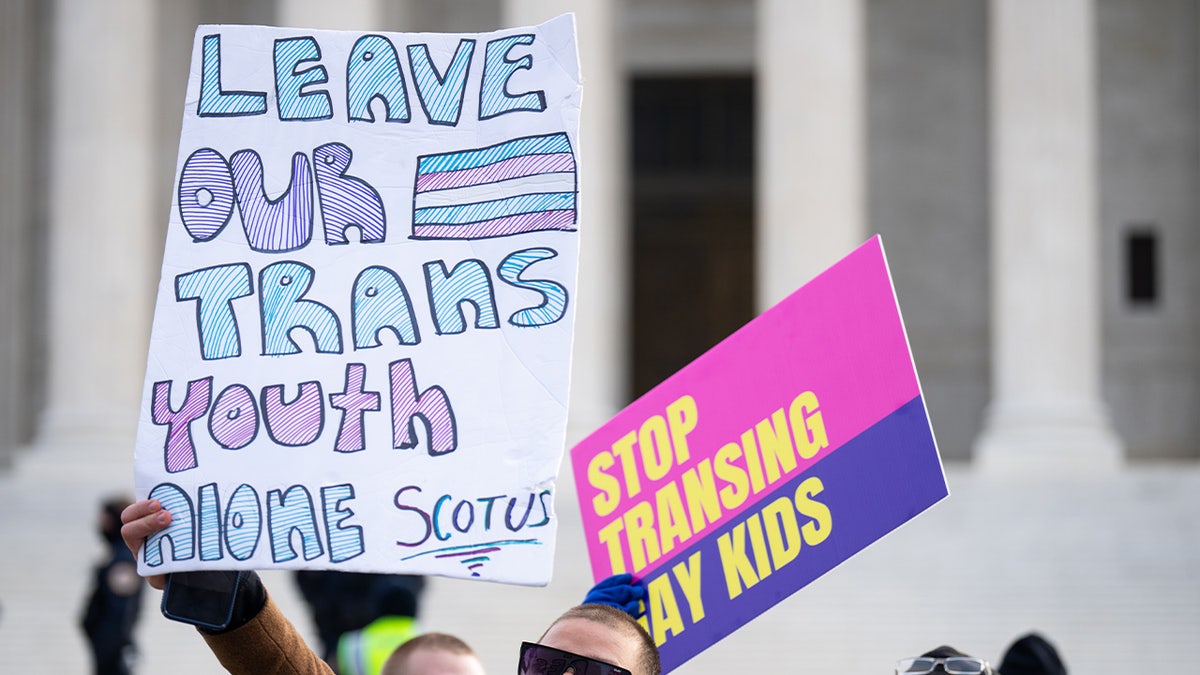
What if the moral panic du jour isn’t about protecting women or children at all, but about selling fear the way tabloids sell scandal—wrapped in the seductive packaging of righteous indignation? The latest crusade against transgender youth, masquerading as feminist concern, reveals a troubling pattern: a media ecosystem that thrives on manufactured outrage, where the rights of the most vulnerable are sacrificed on the altar of circulation numbers. This isn’t just a story about bathrooms or sports or pronouns. It’s about power—the power to define who belongs, who is a threat, and who gets to decide. And right now, the press is holding the megaphone, screaming louder than the facts.
The Spectacle of the Sacred: How Fear Becomes Currency
There’s a peculiar alchemy at work when a social issue transforms into a media circus. It begins with a single spark—a headline, a viral tweet, a politician’s soundbite—and suddenly, the air is thick with the scent of moral urgency. Transgender youth, particularly trans girls, have become the latest sacrificial lambs in this ritual of manufactured dread. The narrative is simple, seductive: *protect the children* from an invisible yet omnipresent threat. The problem? The threat is a fiction, stitched together from anecdotes, half-truths, and the occasional outright lie. Yet, the press laps it up, because fear is the most reliable drug in the media’s arsenal. It sells subscriptions. It drives clicks. It keeps the outrage machine humming at full tilt.
Consider the language used to describe these cases. Trans girls aren’t just students; they’re “predators in disguise.” Bathrooms aren’t neutral spaces; they’re “battlegrounds.” The framing is deliberate, designed to evoke primal instincts rather than reasoned debate. This isn’t journalism. It’s pulp fiction, where the villain is always the same: the trans body, lurking in the shadows, waiting to pounce. The irony? The real predators are the ones peddling this narrative, preying on the anxieties of parents who’ve been convinced that their daughters are one bathroom stall away from disaster. The press doesn’t just report the panic—it manufactures it, then sells it back to the public as truth.
The Feminist Alibi: When Sisterhood Becomes a Shield for Bigotry
Here’s the cruelest twist of all: this moral panic is draped in the language of feminism. Suddenly, the same voices that once championed bodily autonomy and intersectionality are leading the charge to strip trans girls of their right to exist in public spaces. The argument? That allowing trans girls in girls’ locker rooms or bathrooms is an affront to cisgender women’s safety. But let’s be clear: this isn’t feminism. It’s a hijacking—a grotesque distortion of a movement that once fought for the liberation of all women, not just the ones who fit neatly into the gender binary.
What’s most insidious is the way this rhetoric weaponizes the language of victimhood. Cisgender women are framed as perpetual victims, their spaces under siege by an army of trans girls who, we’re told, are nothing more than wolves in sheep’s clothing. The reality? Trans girls are far more likely to be the victims of violence than the perpetrators. But statistics don’t sell papers. Fear does. And so, the press amplifies the exceptions while erasing the rule, turning a marginalized community into a convenient scapegoat for society’s deepest insecurities.
This isn’t just a betrayal of feminist principles—it’s a betrayal of basic humanity. When feminism becomes a tool for exclusion rather than inclusion, it ceases to be a movement for justice and becomes just another oppressive ideology in disguise. The question we must ask is this: at what point does the pursuit of “protecting women” stop being about liberation and start being about control? The answer, it seems, is when the press decides that outrage is more profitable than truth.
The Legal Theater: Courts as Stage for a Modern Witch Hunt
Enter the courts—a stage where the drama of moral panic plays out in the most formal of settings. Transgender youth cases are no longer just about policy; they’re about spectacle. Every ruling, every appeal, every Supreme Court filing is dissected by pundits and politicians alike, each eager to claim victory in the culture war. The legal system, once a bastion of reasoned debate, has become a battleground where the loudest voices drown out the most vulnerable. And the press? They’re the ones selling tickets to the show.
Take the recent cases involving trans students and bathroom access. The arguments are framed as if they’re about safety, about privacy, about the sanctity of female spaces. But scratch beneath the surface, and you’ll find something far more insidious: a refusal to acknowledge that trans girls are girls. That their existence isn’t a threat, but a fact. The legal battles aren’t about protecting anyone—they’re about policing identity, about drawing lines in the sand that say, *you don’t belong here*. And the press, by amplifying these cases, ensures that the narrative of exclusion becomes the dominant one.
The danger here is that the courts, swayed by public opinion rather than legal precedent, become complicit in the erasure of trans lives. When a judge rules against a trans student’s right to use the bathroom that aligns with their gender, they’re not just making a legal decision—they’re sending a message. And that message is clear: trans youth are less than human. That their pain doesn’t matter. That their existence is negotiable. The press, by framing these cases as moral crusades, ensures that the message spreads far and wide, embedding itself in the public consciousness as an unassailable truth.
The Complicity of the Fourth Estate: Why Journalism is Failing Us
Let’s talk about the elephant in the room: the press itself. In an era where trust in media is at an all-time low, outlets cling to sensationalism like a lifeline, because outrage is the only thing that still sells. Transgender issues, particularly those involving youth, are the perfect storm of controversy: they’re divisive, they’re emotional, and they’re guaranteed to drive engagement. So, the headlines scream. The op-eds rage. The talking heads pontificate. And all the while, the actual lives of trans youth are reduced to a footnote in someone else’s morality play.
The problem isn’t just that the press gets the story wrong—it’s that they get the story *by design*. Editors know that fear drives traffic. They know that outrage keeps viewers glued to their screens. They know that trans youth are easy targets, because the public has been conditioned to see them as threats rather than children deserving of protection. The result? A media landscape where the most vulnerable are the first to be sacrificed on the altar of profit.
But here’s the thing: journalism isn’t supposed to be a bloodsport. It’s supposed to be a public service. It’s supposed to hold power to account, not amplify the prejudices of the loudest voices. When the press chooses sensationalism over truth, when it trades integrity for clicks, it doesn’t just fail its audience—it fails democracy itself. The question isn’t whether the press will change. The question is whether we, as a society, will demand better.
The Way Forward: Reclaiming the Narrative from the Fearmongers
So where do we go from here? The first step is to recognize the game for what it is: a cynical ploy to distract from the real issues that matter—poverty, inequality, the erosion of civil rights. The second is to refuse to play along. That means calling out the press when it peddles fear instead of facts. It means supporting trans youth, not just in words, but in action. It means demanding that our legal system uphold the rights of all people, not just the ones who fit neatly into the boxes society has drawn for them.
But most importantly, it means rejecting the idea that some lives are worth less than others. Trans girls are girls. Trans boys are boys. Nonbinary youth are valid. Their right to exist isn’t up for debate. And if the press won’t tell their stories with the dignity they deserve, then it’s up to us to do it for them. The moral panic won’t last forever. But the lives of trans youth? Those are on the line right now. And it’s time we started acting like it.