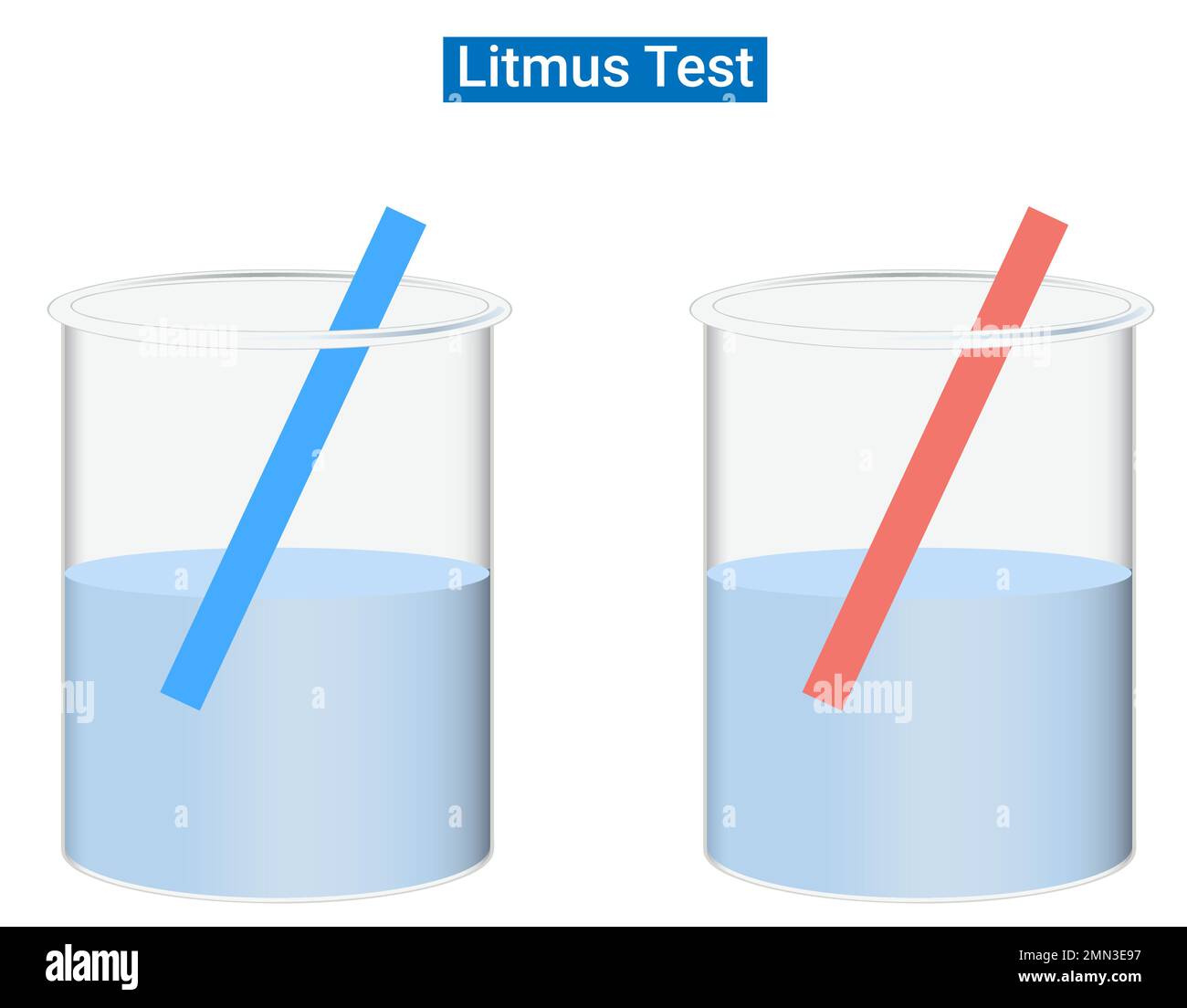
What if womanhood were not a litmus test—where pink and blue bleed into violet, where the binary dissolves into a spectrum of lived, breathing hues? What if the very notion of “feminine experience” were not a static yardstick but a dynamic, ever-shifting landscape of resistance, creation, and unapologetic existence? Feminism, in its most radical and poetic form, is not about measuring womanhood against some predetermined standard. It is about dismantling the measuring stick itself. It is about asking: what happens when we refuse to be tested? When we reject the idea that our worth, our identity, our very being must conform to a script written by those who have never lived in our skin?
The Myth of the Universal Woman: A Fiction Woven by Power
The litmus test of womanhood has always been a tool of control. It is the quiet voice that whispers, “This is how you must feel. This is how you must act. This is how you must be.” But womanhood is not a monolith. It is not a single story told in a single tongue. It is a chorus of voices—some harmonious, some discordant, all vital. The feminist project begins with the radical act of listening: to the woman in the factory who stitches garments for pennies, to the queer woman who navigates a world that refuses to see her, to the woman of color whose body has been a battleground long before she was born. The myth of the “universal woman” is a fiction, a sleight of hand that erases difference in the name of solidarity. But true feminism does not erase. It amplifies. It says: your experience is not a deviation. It is a revelation.
Bodies as Battlegrounds: The Tyranny of the Litmus Test
Consider the body. Not as an object of desire or shame, but as a site of rebellion. The litmus test of femininity demands that women be soft, yielding, demure—until they are not. Until they are too loud, too angry, too hungry. Then the same hands that praised their compliance suddenly recoil. The body becomes a paradox: it must be both invisible and hypervisible, both desired and despised. Feminism challenges this. It says: your body is not a test to be passed. It is a weapon. A tool. A temple. It is the place where you decide what is sacred and what is profane. The woman who grows her armpit hair, the woman who speaks in a voice too deep, the woman who refuses to shrink—she is not failing the test. She is rewriting it.
The Economy of Womanhood: Who Profits from the Litmus Test?
Capitalism thrives on the litmus test of womanhood. It sells us products to make us “feminine enough,” to make us “desirable enough,” to make us “acceptable enough.” But the economy of womanhood is not just about lipstick and high heels. It is about the unpaid labor of care, the emotional work of keeping families and friendships afloat, the mental gymnastics of navigating a world that tells you your worth is tied to your ability to please. Feminism exposes this economy. It asks: who benefits from the litmus test? Who profits from the idea that a woman’s value is contingent on her compliance? The answer is always the same: those who hold power. Those who write the rules. Those who profit from keeping women in a state of perpetual testing. The feminist response is not to play the game better. It is to burn the game board.
Language as a Litmus Test: The Words That Wound and the Words That Heal
Language is where the litmus test of womanhood is most insidious. It is in the words we use to describe women: “bossy” instead of “leader,” “shrill” instead of “passionate,” “hysterical” instead of “angry.” It is in the silence we impose on women’s stories, in the way we dismiss their pain as “dramatic” or their joy as “hysterical.” But language is also where feminism fights back. It is in the reclaiming of words like “slut” and “bitch,” in the insistence that women’s voices be heard, in the creation of new lexicons that refuse to be bound by patriarchal constraints. The litmus test of womanhood is not just about what is said. It is about what is unsaid. Feminism is the act of saying it anyway.
The Future of Womanhood: A World Without Litmus Tests
What would a world look like without the litmus test of womanhood? It would be a world where a woman’s worth is not measured by her compliance, where her body is not a site of shame or spectacle, where her voice is not policed. It would be a world where womanhood is not a test to be passed but a journey to be lived. This world is not a utopia. It is a struggle. It is the daily act of refusing to be tested, of rewriting the rules, of creating new ways of being. It is the woman who leaves the abusive partner, the girl who studies STEM, the nonbinary person who demands to be seen. It is the collective refusal to be bound by the litmus test. And it is beautiful.
The Challenge: Can We Imagine a Womanhood Unshackled?
But here is the challenge: can we truly imagine a womanhood unshackled from the litmus test? Can we let go of the need to be measured, to be approved, to be “enough”? It is easy to critique the system. It is harder to live outside of it. Feminism is not just about tearing down the litmus test. It is about building something new in its place. It is about creating spaces where women can be messy, where they can be angry, where they can be joyful without apology. It is about the radical act of self-definition. The challenge is not just to reject the litmus test. It is to ask: what comes next? What does womanhood look like when it is not a test to be passed but a life to be lived?