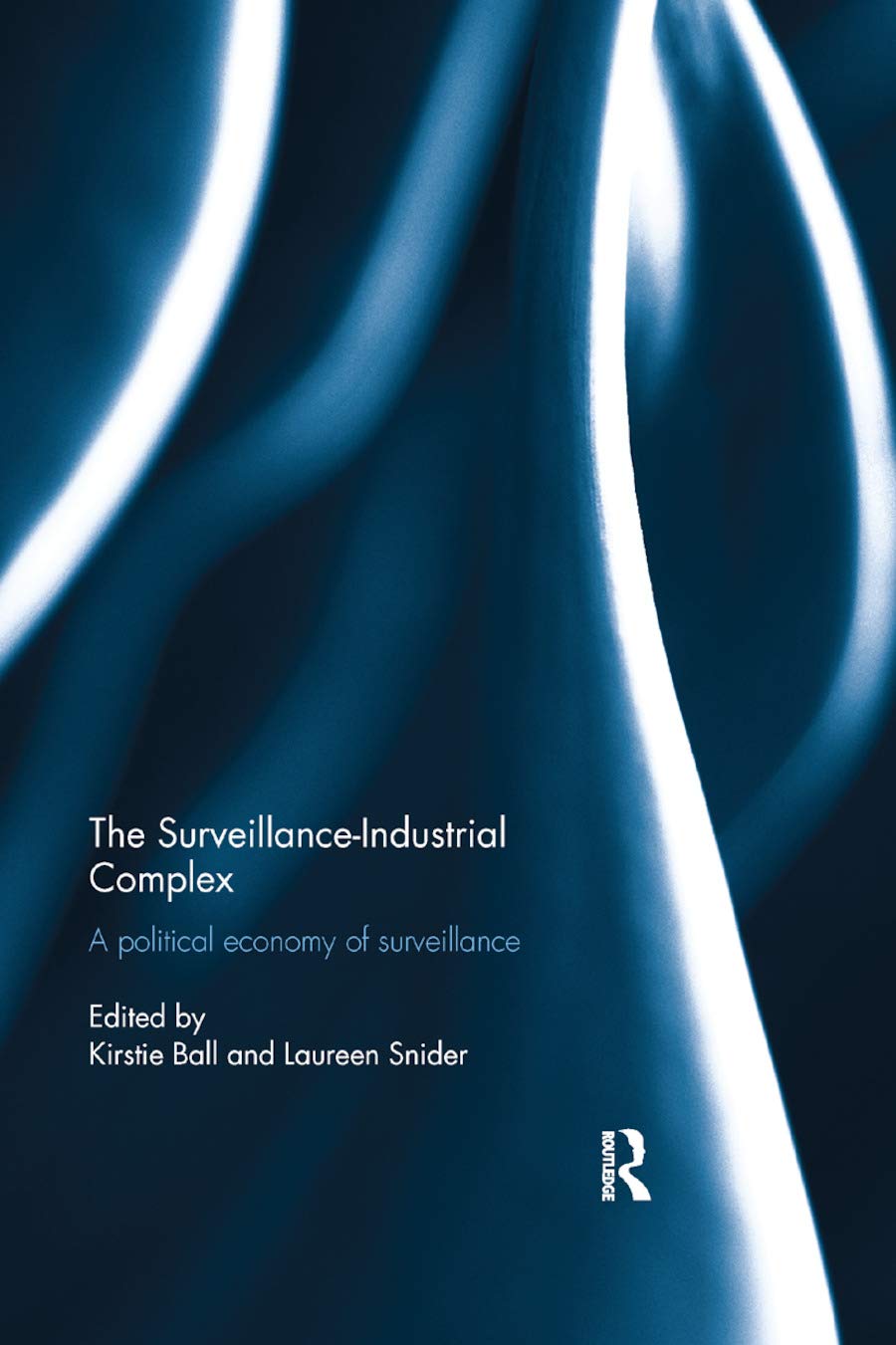
In the labyrinthine corridors of the digital age, where data flows like an unseen river and surveillance lurks around every corner, there emerges a silent yet overwhelming force: a machinery that thrives not merely on exploitation, but on the fear of those it preys upon. It is an economy of the unseen, a monstrous beast nourished by anxieties that have roots as ancient as human emotion itself. The surveillance-industrial complex does not simply watch women—it feeds on their very existence. Here, women’s bodies become battlegrounds, their fears currency, their liberation a perpetual, elusive horizon. This is not just a system of observation; it is a gastrothetic apparatus designed to turn vulnerability into profit.
—
The Fractured Mirror: How Surveillance Mirrors Women’s Dual Selves
Consider the woman who checks her phone a hundred times a day—not out of curiosity, but panic. Is she safe? Can she trust the shadow that looms over every post, every swipe, every search? The surveillance economy casts its net wide, but its tentacles stretch longest toward those its algorithms have marked as most disposable: women. Every notification, every curated ad teasing “skin firming” serums or “safe” dating apps, is a siren song. It whispers: You are not enough. That same camera on her phone, that app tracking foot traffic, the biometric unlock—these are not tools. They are keys, unlocking a prison of permanently performed anxiety.
Women’s lives are already riven between two selves: a public version of themselves they craft for approval, and the unseen one, the raw threads of instinct stripped naked by the eye of surveillance. Every like, every glance, every comment deleted mid-typing—they are not merely social feedback loops. They are confessions of control, proof of the way systems like to measure the fear in the space between self and audience. When a woman’s “ideal weight” appears as an ad, or her body is analyzed by a “fitness tracker,” she is not consuming a product. She is being mined.
—
The Data Troll: How Every Action Doubles as a Footprint
In the early hours before dawn, an app that promises to “track intimate cycles” might seem like a tool of autonomy. But it is, in fact, a mousetrap in the shape of self-care. The data women feed into these platforms—their hormones, their discomforts, their vulnerabilities—becomes the raw material for profiling. Each symptom logged is a data point in an ever-expanding ledger of predictability. Companies do not simply sell products; they sell precision. They sell the ability to guess at fear itself: “Your 37-year-old mother is concerned; she might overpay for life insurance.” “Her online purchases fluctuate weekly; she may be shopping to impress.”
There is something grotesquingly poetic about systems like this. They don’t just watch—they study the cracks between what women desire and what they fear. When a website offers “affordable maternity wear,” its real product is provisional panic. When it suggests “solo travel safety gear,” it is not addressing a deficit; it is wearing the woman’s unease like a chameleon of data. The result is that even when these platforms offer solutions, the solution itself becomes another thread in the tapestry of control.
—
The Fear Machine: How Algorithms Feed on Cautious Living
Take a moment to consider: what if the way you dress, the apps you use, even your silence are all being translated into a language of surveillance? The economy runs not on action but on hesitation. Women who delete their social media, those who only talk about “pet projects” rather than professional ambition, they feed data by default. When platforms like OnlyFans or Tinder are rebranded as corporate wellness tools and dating app subscriptions, the act of opting out—or opting in—becomes another transaction.
And what about the gaze itself? Surveillance is a dialogue between the self and the system, a continuous questioning: *“Are you compliant?”* *“Do you trust that the algorithm will always keep safe those it is meant to protect?”* Whether it is the camera that refuses to focus on their face on certain dating apps, or the “security” guidelines embedded in “wellness” ads, women must calculate risk even in moments of solitude. Fear, as economists say, is a currency—the most volatile, and thus the most profitable. The surveillance economy turns caution into collateral.
—
The Illusion of Control: Can Women Even Exist Out of Reach?
There is an audacity in thinking that opting out of the surveillance economy is an option. But it is not merely a case of not participating—it is an impossibility. The women who swear they are untracked are still bound by the inertia of a world designed for their compliance. They live in smart homes that whisper to their credit scores, wear clothes tagged with beacons that whisper location data, and trust in systems that make promises of safety while harvesting their anxiety.
Consider “female safety” tech, touted as empowerment. It is less a tool for liberation than a subtle way to inscribe suspicion into the fabric of women’s experience. It trains them to ask: “Could someone or something be watching me?”—even when they take the safest streets, use the most secure password. The result is not just control—it’s a perpetual state of self-surveillance_, where women police themselves as a form of insurance.
—
Where Fear Meets Feminism: The Uncharted Frontiers of Resistance
But there must be revolution. What if women, in their collective refusal to be profiled, to be studied, to be feared by machines, became an unpredictable variable? What would it look like for feminism to fight not just on the surface of visibility but in the algorithms that invisibly shape their lives?
The resistance begins with data as discourse. To weaponize the very tools of surveillance—whether by using cryptographic privacy tools, by rejecting curated personas, or simply by asking in open forums: *“Where does my fear stop, and their profit begin?”* Women already practice radical non-compliance every day: not sharing her number without questioning, leaving apps that shame women for taking up space, erasing her own digital footprint as an act of protest. The surveillance economy thrives because it is unseen. But anxiety, too, is a form of protest. It is how the women have always known how to outrun the system.
However, the fight is not just external. It requires women to ask themselves internal questions: Are you afraid? And if so, of what? Of being judged, of being safe, of being forgotten—of being, simply, visible in ways no algorithm can contain? Perhaps the most dangerous weapon of all is not resistance, but trust. Trust in the body’s own rhythms, the instinct that a system built on fear can never truly predict.
—