Domestic violence homicides are not just statistics—they are the grotesque culmination of a society that has failed to dismantle the machinery of patriarchy. Every year, women are slaughtered in their own homes, their names etched into an ever-growing ledger of the dead, while the world looks away, numbed by the sheer banality of the violence. These deaths are not isolated tragedies; they are the inevitable outcome of a culture that treats women’s suffering as collateral damage in the preservation of male entitlement. To confront this horror is to stare into the abyss of systemic misogyny—and it demands more than outrage. It demands a reckoning.
The Myth of the “Private” Crime: Why Domestic Violence Homicides Are a Public Health Crisis
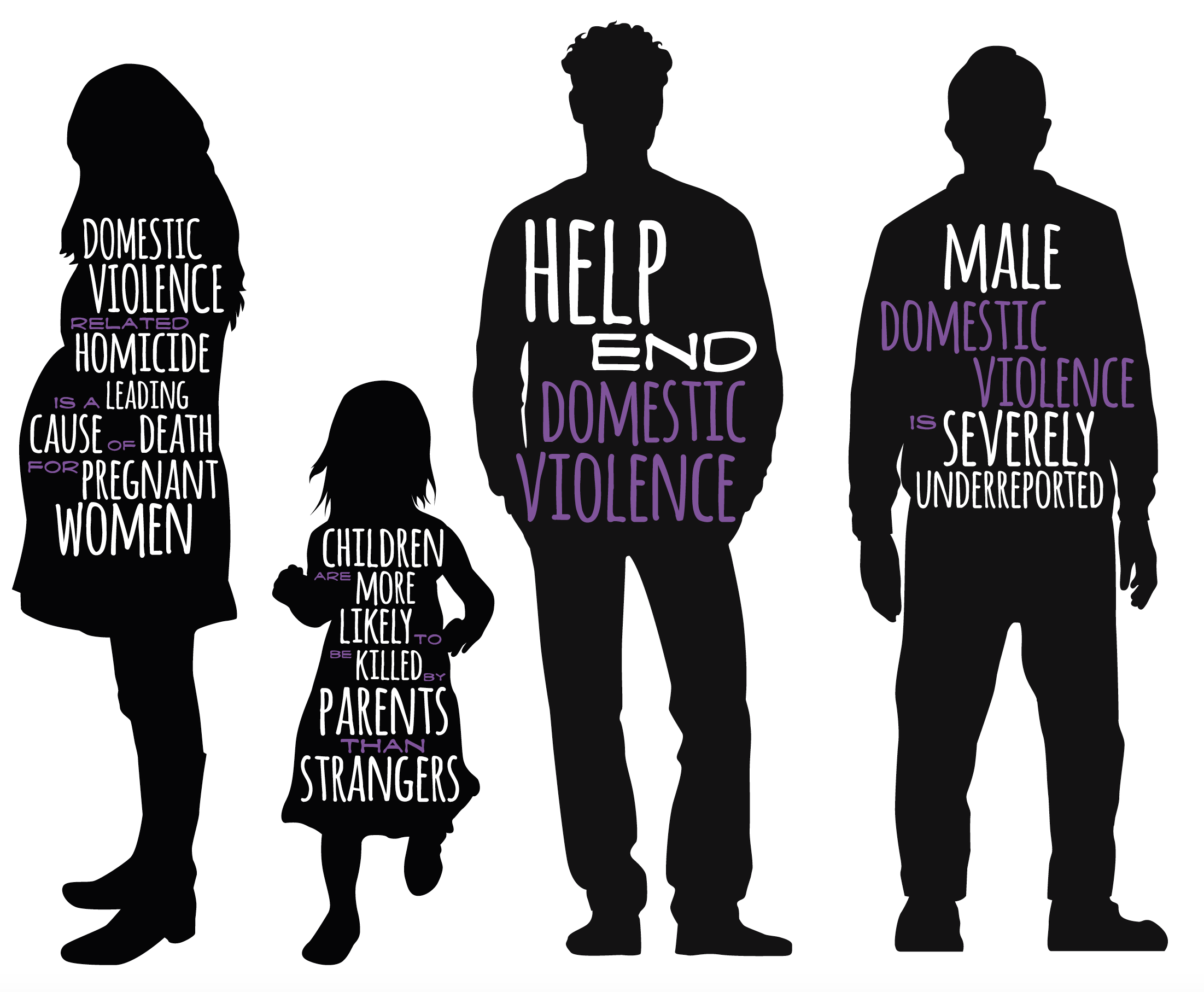
We have been conditioned to believe that what happens behind closed doors is none of our business. That the bruises, the screams, the shattered bones are matters of “personal” concern, not societal ones. But domestic violence homicides are not private affairs—they are public health emergencies, festering in the shadows of our collective denial. The home, that sacrosanct space of warmth and safety, is often the most dangerous place for a woman to be. The data is damning: over half of all female homicide victims are killed by intimate partners. These are not random acts of violence; they are the logical endpoint of a cycle of control, where coercion escalates to brutality, and brutality to murder. The home is not a sanctuary. It is a warzone, and the weapons are silence, stigma, and the unchecked power of abusive men.
The Alchemy of Power: How Entitlement Transmutes into Bloodshed
At the heart of every domestic violence homicide lies a toxic brew of entitlement and ownership. The killer does not see his victim as a person—he sees her as property, a possession to be controlled, punished, or discarded. This is not hyperbole. It is the language of the courtroom, where abusers argue that their violence was “provoked” by a woman’s refusal to submit. It is the logic of the media, which frames femicide as a “crime of passion” rather than the cold, calculated act of a man who believes he has the right to decide whether she lives or dies. The myth of the “jealous lover” is a lie—a narrative that excuses murder by dressing it in the garb of romance. In reality, these killings are not about love. They are about power. And power, once unchecked, always demands blood.

The Specter of Economic Dependence: How Poverty Feeds the Beast
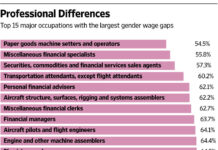
Economic abuse is the invisible hand that tightens the noose around a woman’s neck. Financial control is not just about money—it is about isolation, dependency, and the erosion of autonomy. A woman trapped in poverty is a woman trapped in danger. She cannot flee. She cannot hide. She cannot afford to start over. The abuser knows this. He weaponizes her precarity, ensuring she has no means to escape. The statistics are chilling: women in low-income households are disproportionately likely to be murdered by their partners. This is not a coincidence. It is a calculated strategy of domination. When society fails to provide economic safety nets, it becomes complicit in the violence. A woman without resources is a woman without options—and a woman without options is a woman who may not survive.
The irony is grotesque. We live in an era where women are told to “lean in,” to “break the glass ceiling,” to “be independent.” Yet, for millions, economic freedom remains a distant dream. The system is rigged against them, and the abuser exploits that rigging with impunity. Until we dismantle the economic structures that keep women trapped, we will continue to feed the beast of domestic violence homicide.
The Role of the State: How Institutions Fail the Vulnerable
The state is not a neutral bystander in this bloodshed. It is an active participant, through its policies, its policing, and its courts. Police departments, despite reforms, still fail to protect women. Restraining orders are pieces of paper, easily torn apart by a system that prioritizes the rights of men over the safety of women. Prosecutors drop cases for lack of evidence—evidence that was never collected because the system was too slow, too underfunded, too indifferent. Shelters are overcrowded, underfunded, and geographically inaccessible. The message is clear: women’s lives are not worth the investment.
Consider the case of a woman who calls the police, trembling, begging for help. The abuser is arrested—temporarily. The case is dismissed because she “recanted.” The system moves on. The abuser stays. The violence escalates. The next time, she may not call. The next time, she may not survive. This is not incompetence. It is complicity. The state’s failure to intervene is not an oversight—it is a choice. And that choice has a body count.
The Media’s Complicity: How Language Normalizes Femicide
The media does not just report on domestic violence homicides—it shapes how we perceive them. The language is sanitized, the narratives are twisted, the victims are erased. A woman is not “killed by her partner.” She is “murdered in a domestic dispute.” The abuser is not a killer—he is a “troubled man” or a “jealous lover.” The crime is not femicide—it is a “tragedy” or a “senseless act.” This linguistic gymnastics is not accidental. It is a deliberate effort to obscure the truth: that these deaths are not senseless. They are the result of a society that treats women’s lives as expendable.
Even in death, women are denied their humanity. Their stories are reduced to cautionary tales, their names forgotten. The media prefers to focus on the abuser’s “mental health” or the “circumstances” of the killing, rather than the systemic failure that allowed it to happen. This is not journalism. It is erasure. And it ensures that the cycle of violence continues, unchallenged.
The Way Forward: What Real Change Looks Like
Reforming the system is not enough. We must dismantle it. This means defunding the institutions that perpetuate violence—police departments that fail to protect, courts that prioritize abusers, a media that normalizes femicide. It means investing in economic justice, ensuring that no woman is trapped in poverty by an abusive partner. It means believing survivors, listening to their stories, and centering their voices in the fight for justice. It means teaching our children that love is not control, that respect is not optional, that no one has the right to decide whether another person lives or dies.
But most of all, it means confronting the uncomfortable truth: that domestic violence homicides are not anomalies. They are the inevitable product of a world that still treats women as lesser. Until we dismantle that world, the bloodshed will continue. And every woman who dies will be another statistic in a ledger that the world refuses to read.