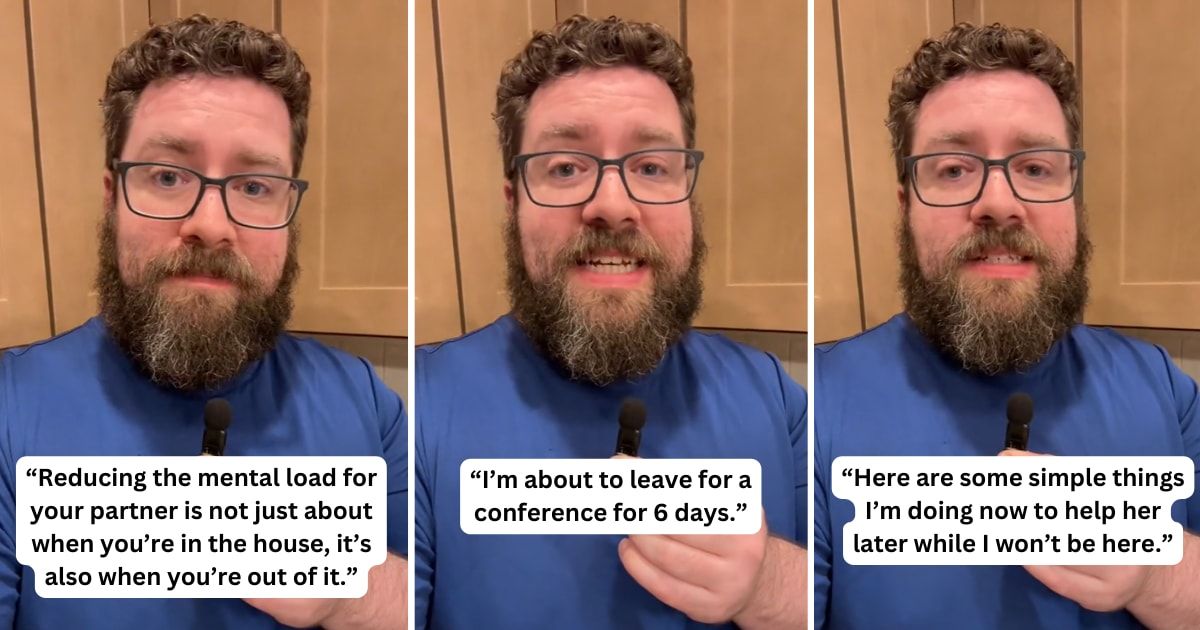
In the sprawling ecosystem of modern relationships, a silent burden weighs heavily on countless shoulders — the mental load. Women, more often than not, find themselves not only managing the visible chores of daily life but also the invisible, relentless cognitive labor of anticipating needs, scheduling, and emotional caretaking. This ceaseless mental gymnastics remains largely unacknowledged, yet it animates the intricate dance of partnership. The pressing question emerges: How can men transcend their traditional roles and become equal architects in dismantling this oppressive mental load? The answer lies not just in action, but in profound introspection and a cultural recalibration of what partnership truly entails.
The Invisible Architecture of the Mental Load
The mental load is a conceptual velvet rope, imperceptibly binding one partner to the internal management of household and emotional labor. It is the weight of remembering birthdays, anticipating grocery needs, orchestrating doctor’s appointments, and the endless “what-to-do-next” conveyor belt running nonstop in one’s mind. It whispers that childcare doesn’t end at physical presence but extends into emotional management and proactive forethought. This cognitive load, disproportionately carried by women, is more than a pattern — it is a social script writ deep into the fabric of gender roles.
Men’s relative obliviousness to this mental collage is not merely an oversight but often stems from systemic socialization. From early childhood, many men are conditioned to engage with the world through tangible outputs, visible tasks, and quantifiable accomplishments. The nuances of invisible labor — the foresight and emotional vigilance embedded in mental load — remain elusive unless consciously acknowledged and experienced.
The Fascination with Mental Load: A Deeper Psychological Undertone
Why does the mental load provoke such fascination? The answer unfurls at the intersection of empathy, gender dynamics, and vulnerability. Witnessing or acknowledging this invisible burden forces a confrontation with uncomfortable truths about inequality within the supposedly egalitarian domain of intimate partnerships. Men, particularly those who embrace feminist principles, find themselves at a crossroads — how to engage without overriding, how to contribute without performing, and most critically, how to unshackle their partners from this relentless cognitive treadmill.
This fascination also unveils a latent desire for authentic partnership. It’s a recognition that equality is more than sharing physical labor; it’s about sharing the responsibility for the labyrinthine logistics of life and care. It challenges men to stretch beyond ingrained behavioral scripts and to inhabit a space that demands vulnerability — a domain often stigmatized in traditional masculinity. Thus, the fascination turns into a transformative crucible, a test of evolving male identity.
Deconstructing Gender Norms: The Primal Barrier
At the core of mental load inequality lies the primal barrier of entrenched gender norms. These norms whisper limitations, scripting men and women into narrowly defined roles that fossilize over generations. Men are cast as breadwinners, women as caretakers — roles historically forged but increasingly obsolete in contemporary society. Challenging these norms demands more than lip service; it requires unlearning and relearning behaviors.
Men’s journey toward equal partnership begins with radical acknowledgment. Recognizing that the mental load isn’t a quirky byproduct of “her” nature but a systematic outcome of gendered expectations shakes the foundations of complacency. It’s uncomfortable but necessary. It means confronting privileges often invisible from within and making the invisible visible — both to oneself and one’s partner.
Active Participation: More Than Sharing Chores
Many men equate equality with taking on a proportional share of physical tasks — dishes, laundry, childcare pickup. While necessary, such gestures scratch only the surface. The mental load thrives in the back room of organization and anticipation, demanding cognitive engagement rather than mere task execution.
True partnership entails not only doing but thinking — anticipating appointments, remembering dietary preferences, juggling conflicting schedules, and sensing emotional undertows. It calls for mental presence, active listening, and proactive planning. This level of participation transforms men from passive helpers to co-managers of the household economy of care — a radical shift from conventional domestic roles.
Communication as Cognitive Partnership
Unlocking equality in mental load pivots dramatically on communication — transparent, empathetic, and ongoing. The daily dance of logistics and emotions can only be shared if openly discussed without blame or defensiveness. This necessitates creating safe spaces where partners can express overwhelm, negotiate roles, and recalibrate responsibilities dynamically.
Moreover, it demands that men cultivate a mindset of curiosity rather than correction. Instead of assuming knowledge of needs, they ask questions, listen without interruption, and acknowledge the emotional labor woven into daily management. This cognitive partnership not only lightens the load but also strengthens relational intimacy by validating unseen efforts.
Rewriting Masculinity: Embracing Vulnerability and Emotional Labor
The rewriting of masculinity is inseparable from reducing the mental load. Traditional conceptions of masculinity, grounded in stoicism and control, often stigmatize the emotional labor intrinsic to cognitive caregiving. For men, embracing vulnerability is not a sign of weakness but a radical act of resistance against outdated paradigms.
By owning the emotional dimensions of partnership, men can dismantle barriers that alienate them from the intimate realities of their relationships. This embrace enables them to share not only tasks but anxieties, plans, and hopes — the very essence of mental load. Such participation enriches personal growth and fosters mutual resilience, redefining what it means to be strong.
Structural and Societal Shifts: Beyond the Individual
While personal transformation is crucial, the unequal mental load cannot be dissipated without societal and structural reforms. Workplace policies that acknowledge caregiving responsibilities, cultural narratives that celebrate collaborative partnership, and educational initiatives that challenge archaic stereotypes are pivotal.
Men engaging actively in mental load reduction become catalysts for broader change. Their participation signals to communities and institutions that the age-old division of labor is ripe for disruption. Over time, such cultural shifts can normalize shared cognitive labor, embedding equality not only in homes but within the collective consciousness.
Conclusion: Toward an Egalitarian Future
Reducing the mental load is more than a chore redistribution—it is a cultural renaissance in how men and women coexist and co-create. Men who courageously step into this arena of mental labor do not diminish their identity; rather, they enrich it with nuance, empathy, and depth. The journey demands persistence, humility, and imagination — a rejection of inherited scripts and an embrace of partnership as a living, evolving dialogue.
Equality in mental load is a battleground of the future, a testament to the profound societal evolution still unfolding. When men engage fully in these invisible yet indispensable realms, they unlock not only fairness but a richer, more authentic connection. The mental load will no longer be a silent burden but a shared mantle — a symbol of true equality.